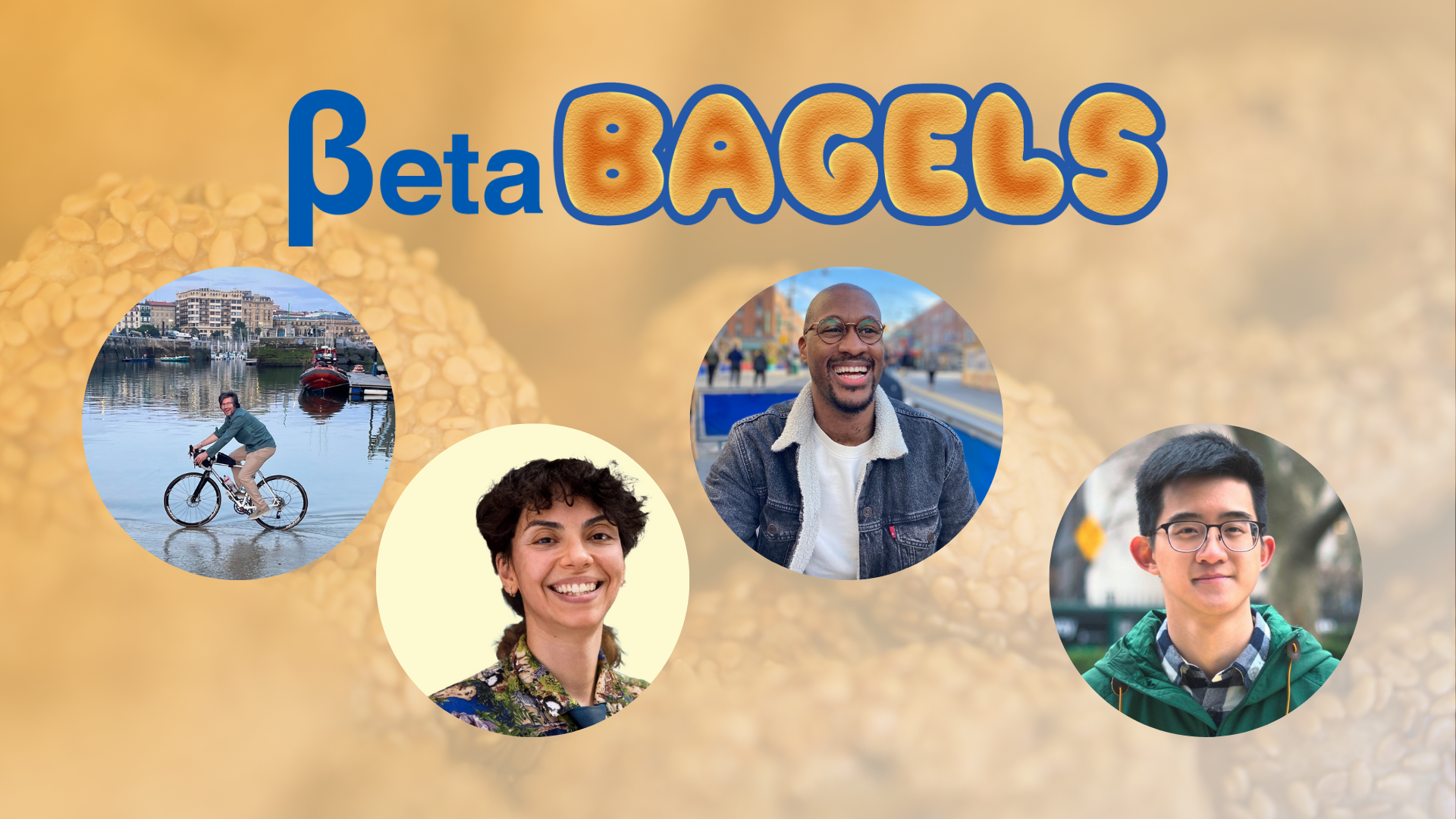
At our latest BetaBagels event, Community Board members from Brooklyn and Queens shared insightful reflections on their experience and why Community Boards matter more than most people realize. Their stories had one thing in common: the most meaningful changes start in neighborhood rooms where residents decide to show up to discuss local issues.
Your Block Has a Board, and They Want to Hear From You
Our City can feel enormous. But most of what shapes our daily lives is surprisingly close to home: the crosswalk you use to get to the train, the bus stop that needs a shelter, the park path that’s tough to navigate with a wheelchair or stroller, the trash pickup that doesn’t happen on time, the corner where drivers speed.
If you have ever noticed one of those things and wondered, “Who do I even tell?” The answer is often closer than you think.
Community Boards are hyper-local forums for your neighborhood. They can help shape how your block functions. They are not perfect, and they can feel a little wonky. But they’re one of the few spaces where residents, activists, and agencies meet to talk through what is happening on the ground and push for change.
The beauty of all this is that when they work, they really work.
“When East River State Park was renamed Marsha P. Johnson Park, some of the initial designs didn’t align with the community or the family,” shared Teon L. Brooks, Ph.D, Brooklyn Community Board 1 Member. “That became a rallying moment. We brought stakeholders together and created a thoughtful representation of Marsha P. Johnson’s life. It showed how our advisory power can actually change direction, even across levels of government.”
Why People Don’t Show Up (Yet)
If you already believe Community Boards matter, but haven’t been to a meeting, you’re not alone.
Here are a few reasons we’ve heard:
- There are more meetings than you expected. It is not just one monthly meeting; there are committees too, and you might care about more than one topic.
- Zoom fatigue is real. Another online meeting isn’t everyone’s idea of a good evening.
- It is not obvious how to be helpful. If you do not know the process, it is easy to worry that showing up will not matter.
And yet, many people who now serve on Community Boards started there: curious, skeptical, and unsure where they fit.
“The Bushwick Community Plan was unprecedented community collaboration,” said Celeste León, Brooklyn Community Board 4 District Manager. “I also value moments when we navigate tension and still come back together. And when Staten Island joined our working group, it felt powerful to finally say we were truly city-wide.”
What Impact Looks Like on Community Boards
At our recent BetaBagels conversation about Community Boards and Public Interest Technology, one idea kept coming up: Community Boards matter because they are close to real life. They sit right where neighbor concerns meet city systems.
But they’re also one of the few places where disagreement, data, and lived experience collide, and sometimes turn into real change.
“After a heated debate about a sewage pipe, members met outside the board to solve the issue together,” shared Zhi Keng He, Queens Community Board 7 Member. “We came back with solutions and pushed for better expertise. It showed how disagreement can lead to real problem-solving.”
We also talked about how data becomes part of neighborhood power. Data can influence what gets prioritized and how services and funding decisions are made. Public Interest Technology, at its best, helps make that process more transparent and more accessible, so more people can participate without needing a policy degree.
You can watch the full BetaBagels conversation here: https://www.youtube.com/watch?v=TjSS_qp1D3Y
You Don’t Have to Do Everything
A lot of people assume they have to attend everything to be “a real participant.” You do not.
Here’s a simple way to start: pick one committee for one month.
Choose the topic that matches the thing you bump into most often in your daily life.
- Safer streets, buses, bike lanes, curb cuts: Transportation
- Housing, rezonings, new development: Land Use
- Sanitation, noise, quality of life: Sanitation or Public Safety
- Parks, public space, recreation: Parks
- Small businesses, commercial corridors: Economic Development
Go once this month. Then decide if it is for you. You are allowed to test-drive civic engagement.
Sometimes, impact comes from small, practical improvements.
“As chair of bylaws, I helped turn our bylaws from an unsearchable scanned PDF into an ADA-accessible document,” said Austin Pferd, Brooklyn Community Board 1 Member. “It was a small change that made the board’s work easier for everyone to access.”
If Zoom is Not your Thing, That’s OK
Showing up does not have to look like perfect attendance. It can look like a neighbor checking in.
You can still participate without draining your battery.
- Listen only the first time. Camera off. No pressure to speak.
- Join for the one agenda item you care about.
- Watch the recording if one is posted.
- Send a short note by email. A straightforward question or a quick observation can be genuinely helpful.
If you work in tech and data, you can bring extra superpowers: mapping patterns, summarizing trends, helping neighbors understand what agencies do, or making information easier to find. That is Public Interest Technology at the neighborhood level. It is not about flashy tools. It is about making civic systems easier to use.
Application Window Closes Soon!!
You do not have to be a policy expert to serve. Community Boards need people who listen well, ask good questions, and care about their neighbors.
Attending one Community Board meeting is powerful, but applying to serve is transformative.
Community Board applications are administered by Borough Presidents. The window to apply can be limited. Here are the current deadlines:
- Brooklyn – due Friday, February 6, by 11 pm
- The Bronx – due Sunday, March 1
- Manhattan – due Friday, March 6, by 5 pm
- Queens – due Friday, February 13, by 11:59 pm
- Staten Island – open year-round
They also work best when they reflect the communities they serve, which means we need more renters, more young people, more working parents, more immigrant New Yorkers, more people with disabilities, and more neighbors who have not traditionally been in the room. If you’re involved in local clubs and community groups, that’s a plus!
If you are thinking about applying, consider inviting a friend or neighbor to do it with you. Civic life is easier when it feels like a community.