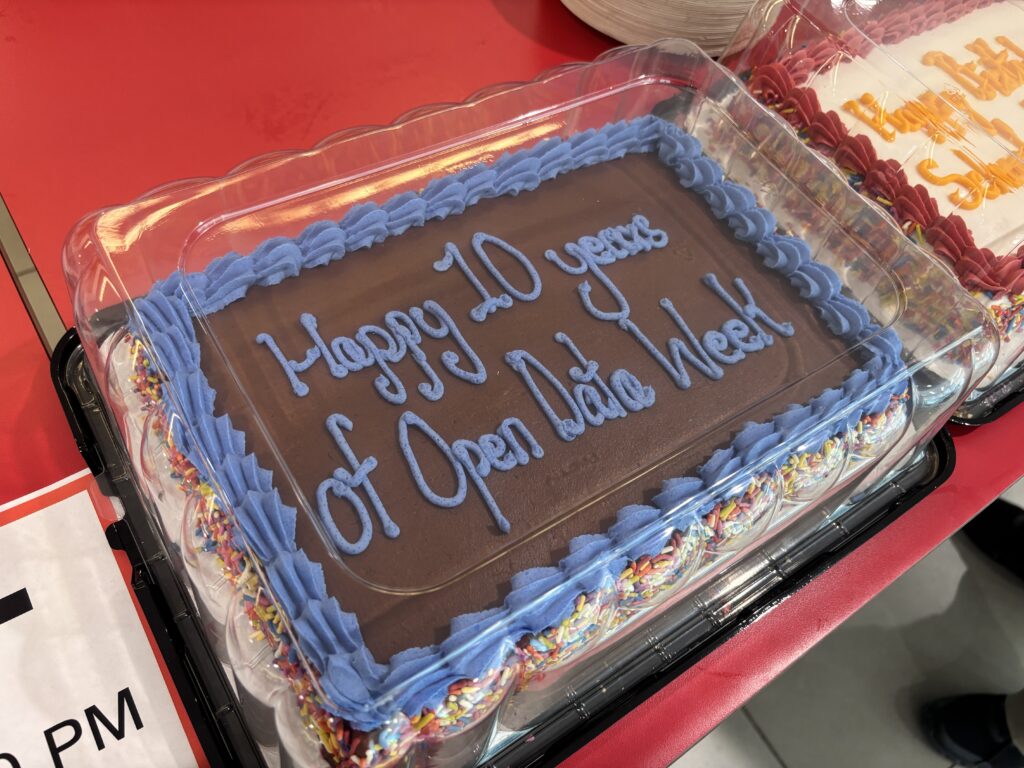
NYC Open Data Week 2026 marked a decade of celebrating public data in New York City!
In March 2026, New York City celebrated ten years of Open Data Week! This is a milestone that reflects not just longevity, but a growing movement built around public data and public participation.
Each March since 2017, New Yorkers have gathered to celebrate the city’s Open Data Law (signed on March 7, 2012), which mandated that all public data be made freely available on a single web portal. What began as a policy commitment has grown into a thriving civic ecosystem. Fast-forward to today, ten years later, and the NYC Open Data community has blossomed into a community of thousands of individuals working with the data that drives New York City.
The festival is run as a collaboration between the NYC Office of Technology and Innovation (OTI), BetaNYC, and Data Through Design, and the 2026 edition was our largest and most ambitious program yet. An incredible level of energy was brought to this milestone year across classrooms, virtual sessions, and community spaces by a cohort of data practitioners, civic technologists, civil servants, advocates, and academics.
And the scale of the 2026 festival reflected that momentum.
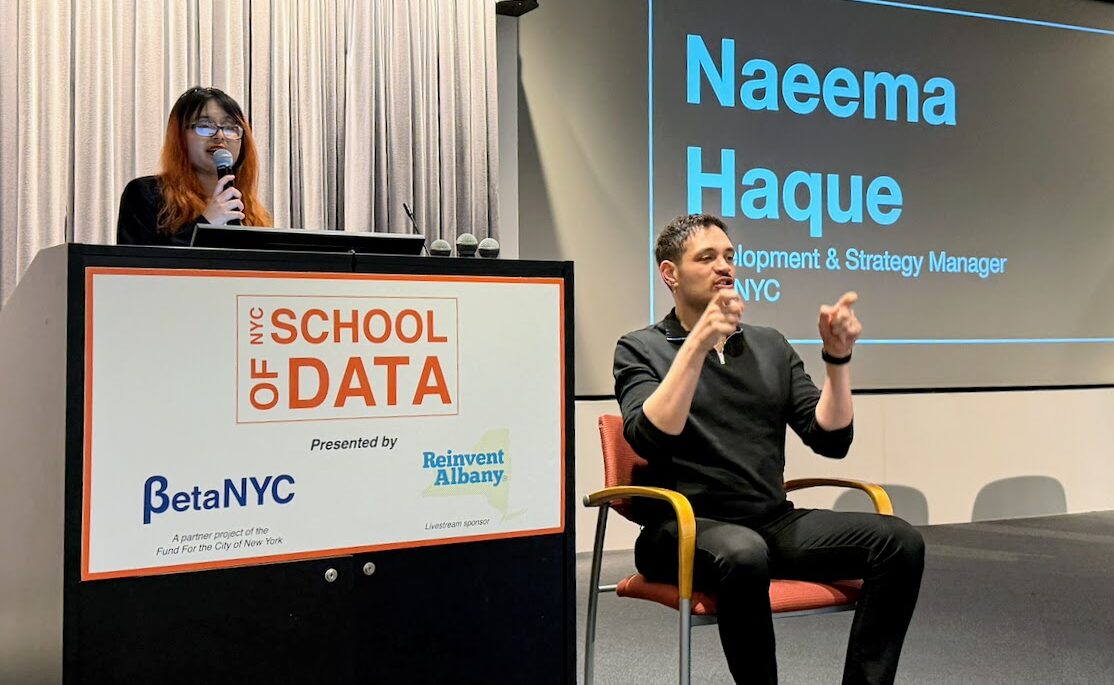
Being seen starts with being considered. It starts with someone asking who is here, what do they need, and have we made room for them? That is also the question at the heart of data. Data is a collection of choices, choices about what gets counted, how things are defined, and what gets left out.
Naeema Haque, Development and Strategy Manager, BetaNYC
While we’re still getting the final count, Open Data Week 2026 welcomed more than 6,700 participants across virtual, hybrid, and in-person events. The 2026 festival featured 50 virtual events, 35 in-person events, and 5 hybrid events, rounding out the week with the two-day NYC School of Data conference.
This year, 280 proposals shaped the program, the most in festival history! Furthermore, these events were organized by 188 organizers representing 97 organizations. That record-breaking response speaks to the ongoing energy of the open data community.
Registrants came from 41 U.S. states across 907 unique ZIP codes. International registrants hailed from 22 countries across six continents, including Argentina, Albania, Australia, Bangladesh, Kenya, and Taiwan. What started as a city-focused initiative now resonates far beyond New York!
What made this year special wasn’t only the scale. It was the spirit and energy that came with it. Open Data Week is all about what happens when people gather to ask questions about their city, share what they know, and make public information useful and legible for everyone. Throughout the week, there was a shared recognition that this work matters deeply right now. In every room, participants listened, explored, and learned how open data can help communities and individuals understand systems, challenge inequities, and imagine better futures.
It’s important that we understand that when we talk about public interest technology, we are really talking about power. Who has it, who builds it, who benefits from it, and who has been left out for far too long because data is not neutral.
Council Member Carmen De La Rosa, Chair of the Committee on Technology
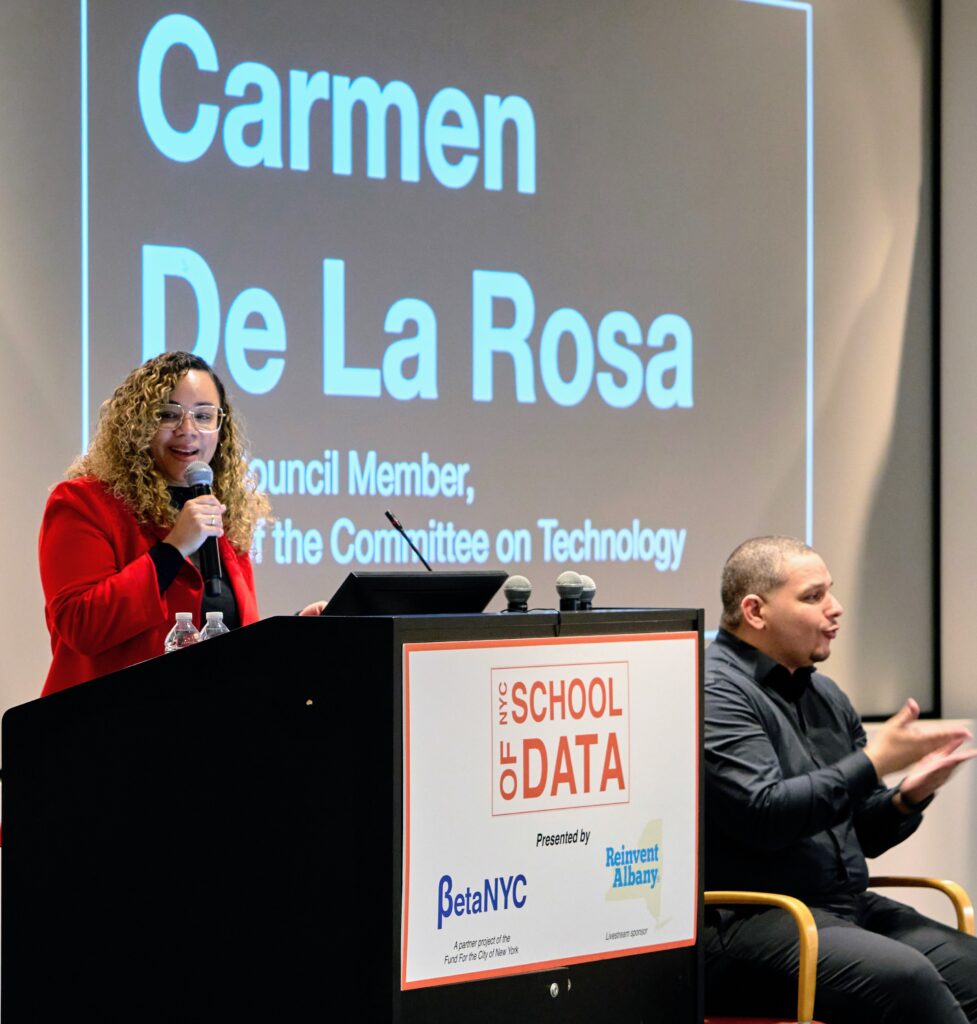
That sense of urgency, paired with joy, carried directly into the week’s finale event: NYC School of Data.
NYC School of Data reached a milestone
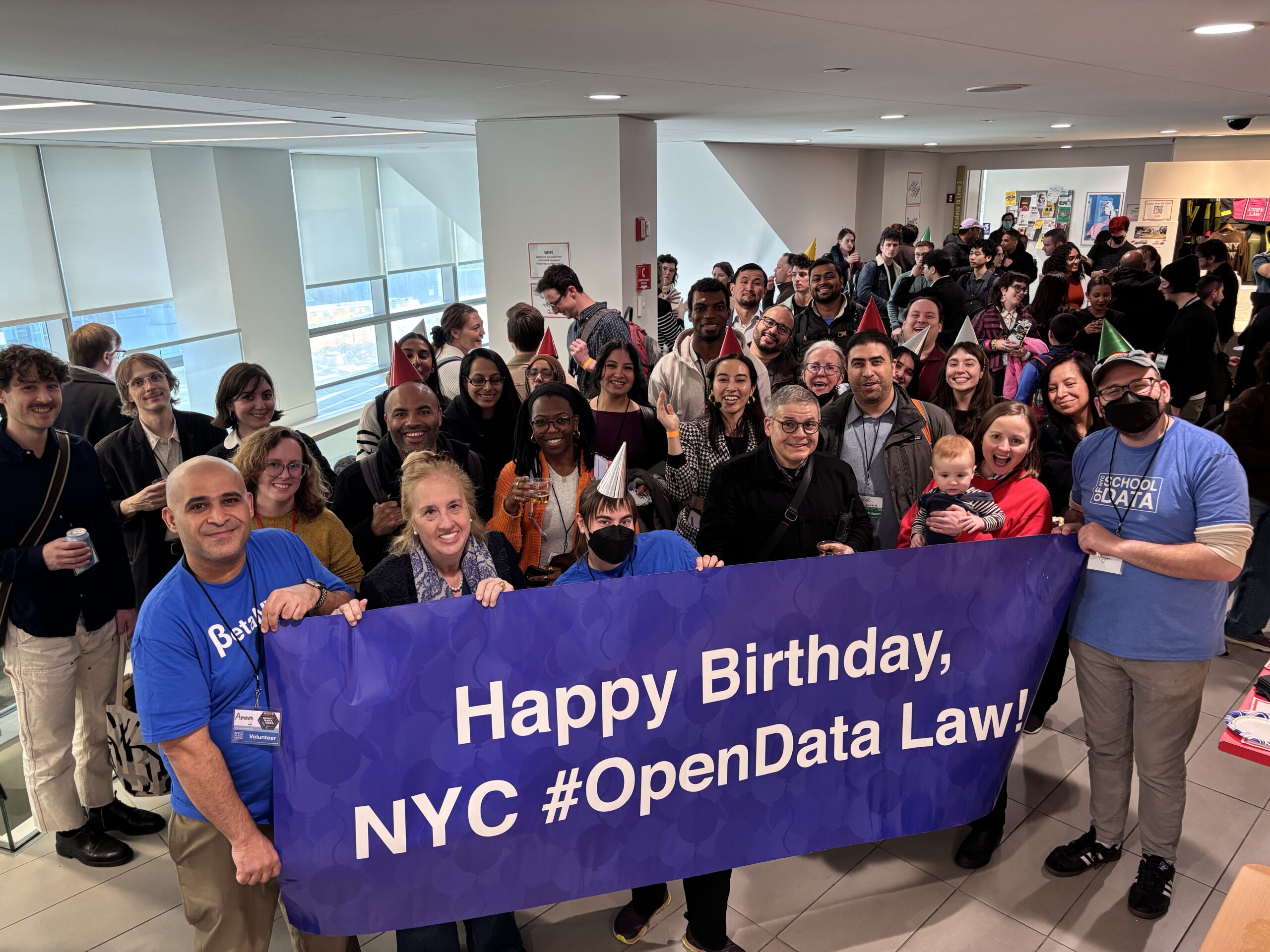
This year, the NYC School of Data also celebrated its tenth anniversary, reaching a shared decade milestone alongside Open Data Week!
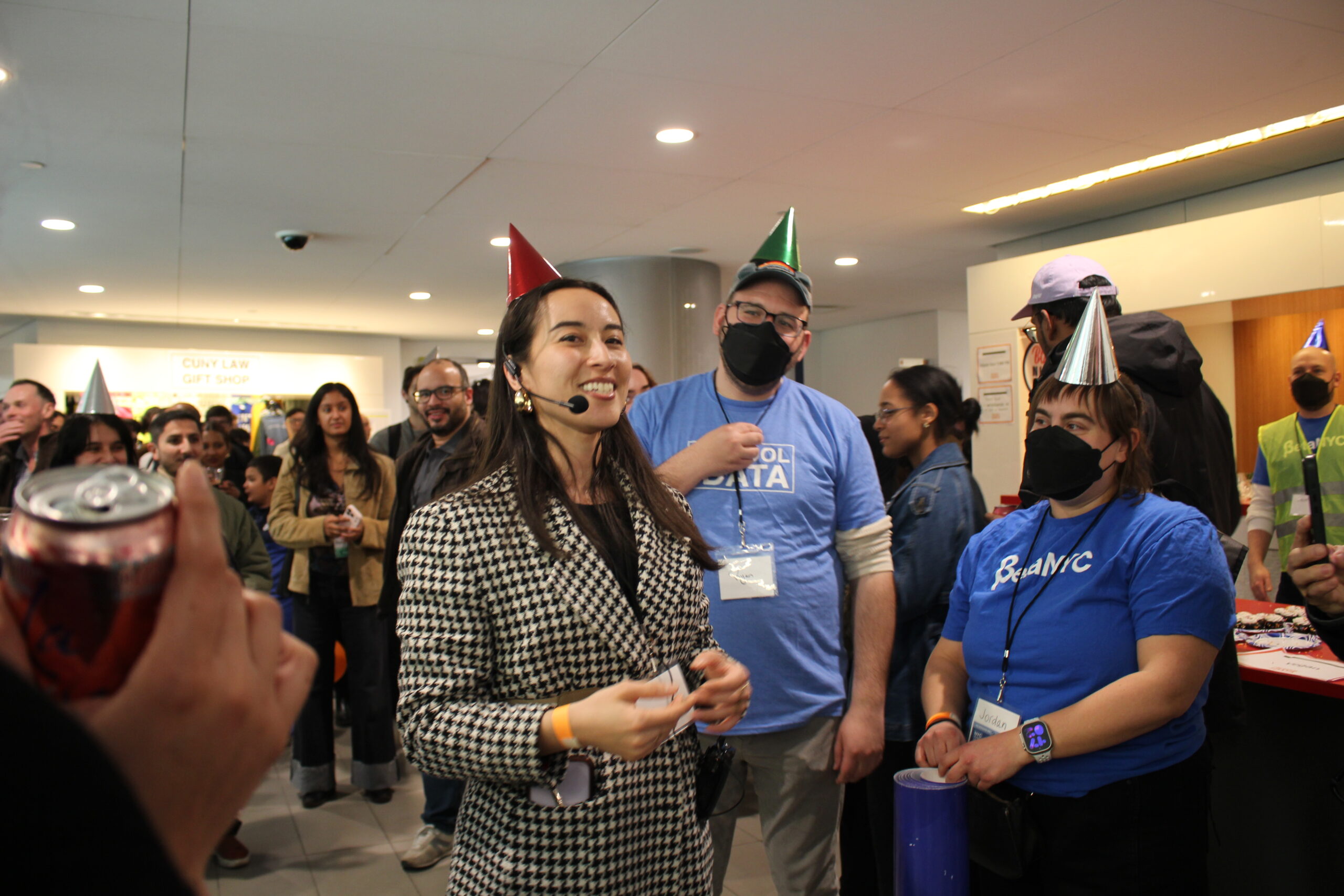
Hosted by BetaNYC with programming support from the NYC Office of Technology and Innovation, NYC School of Data set new records in 2026. For the first time, School of Data expanded into a two-day program at CUNY School of Law. The classic conference on day one was followed by the debut of UnSchool of Data, an open-space unconference where attendees built the agenda together.
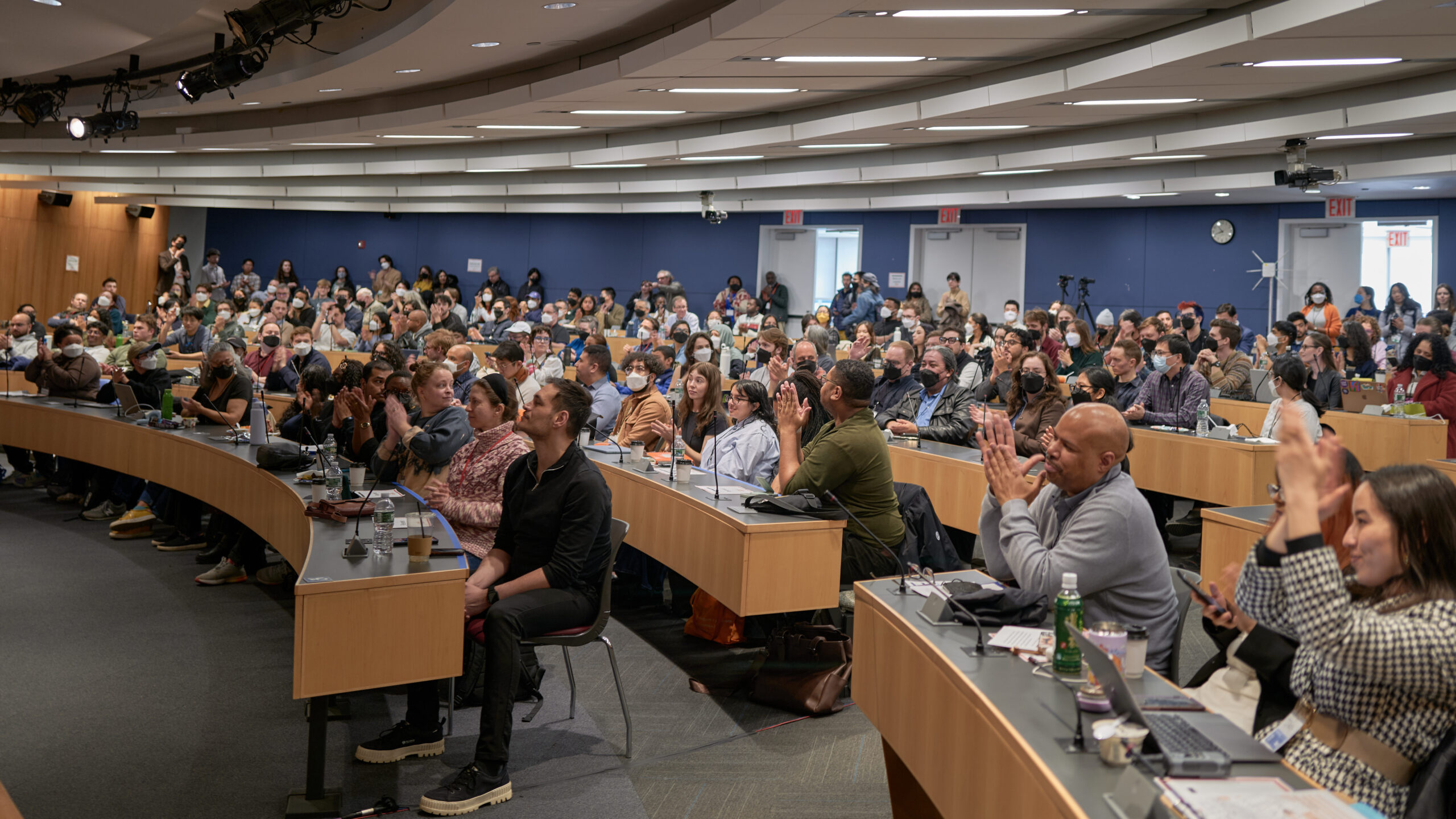
659 data practitioners came together under one roof for a day full of sessions, lightning talks, networking, and learning.
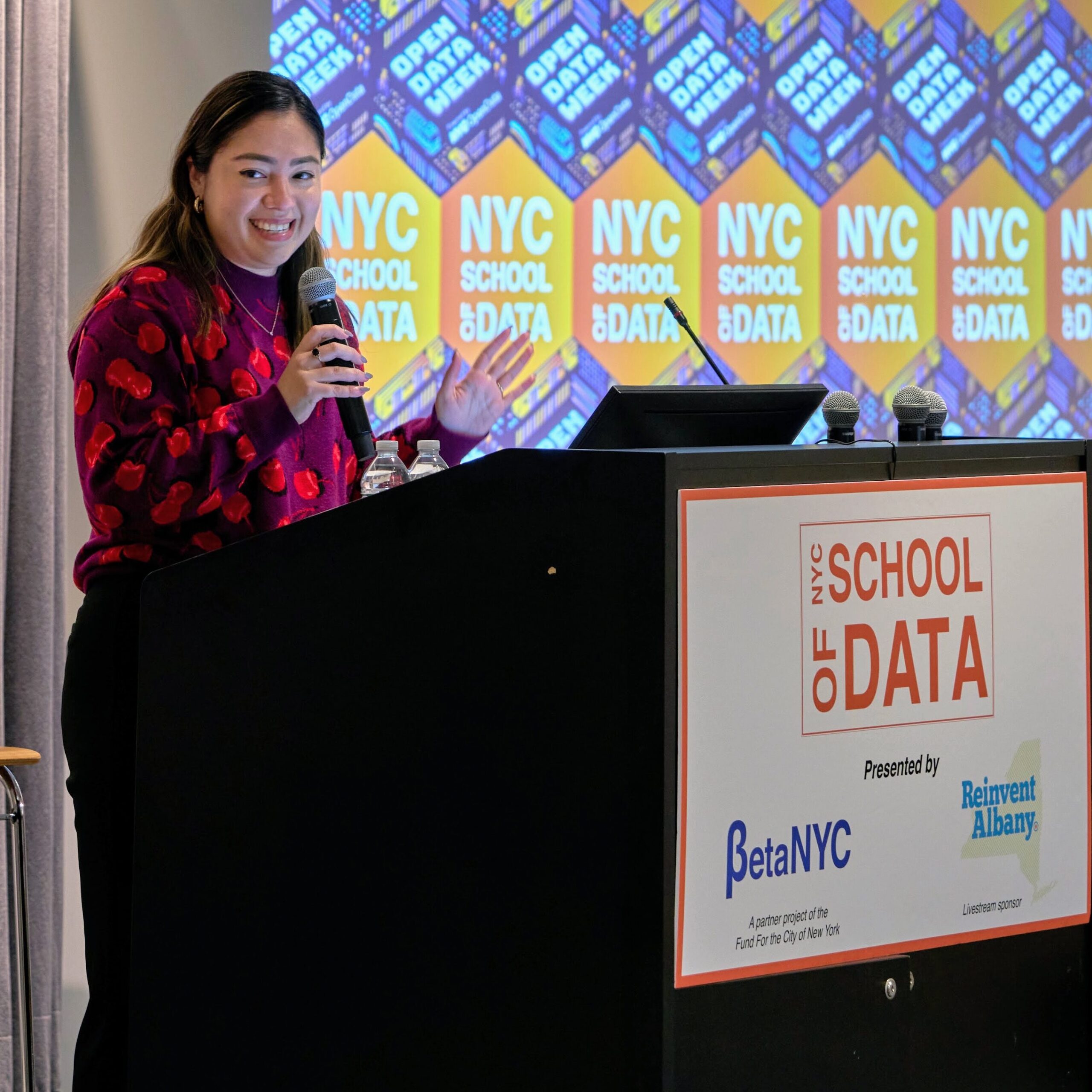
Open Data Week is about asserting our control over our data. School of Data is about putting that control to good use. I could not be more supportive of these objectives that I am trying to expand statewide, particularly towards groups that have been historically marginalized.
New York State Senator Kristen Gonzalez
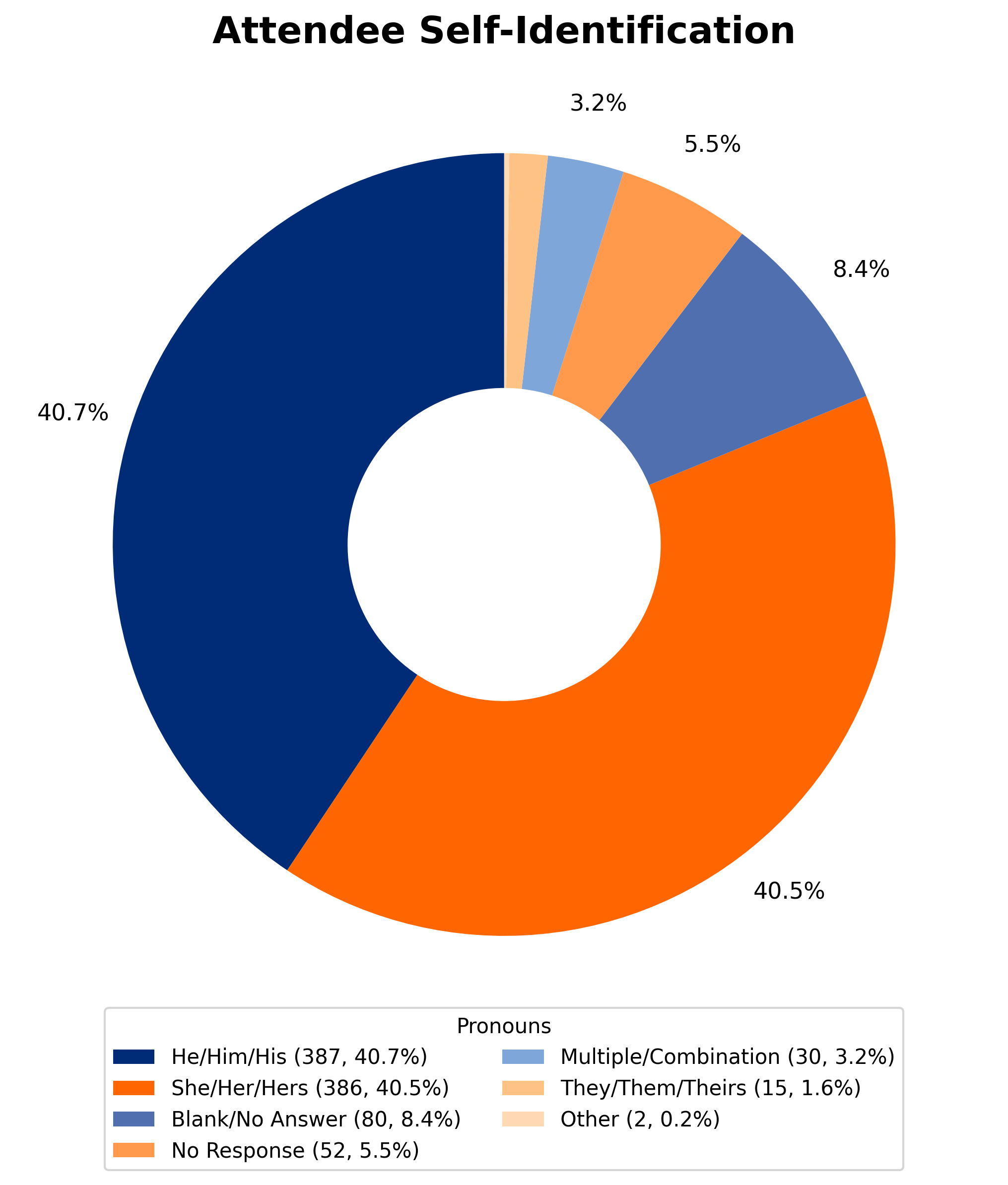
NYC School of Data 2026 Stats
| Total number of conference sessions: | 49 |
| Total number of organizations: | 87 |
| Total number of organizers: | 147 |
| Total number of day one participants: | 659 |
| Total number of day two participants: | 199 |
| Total number of volunteers: | 76 |
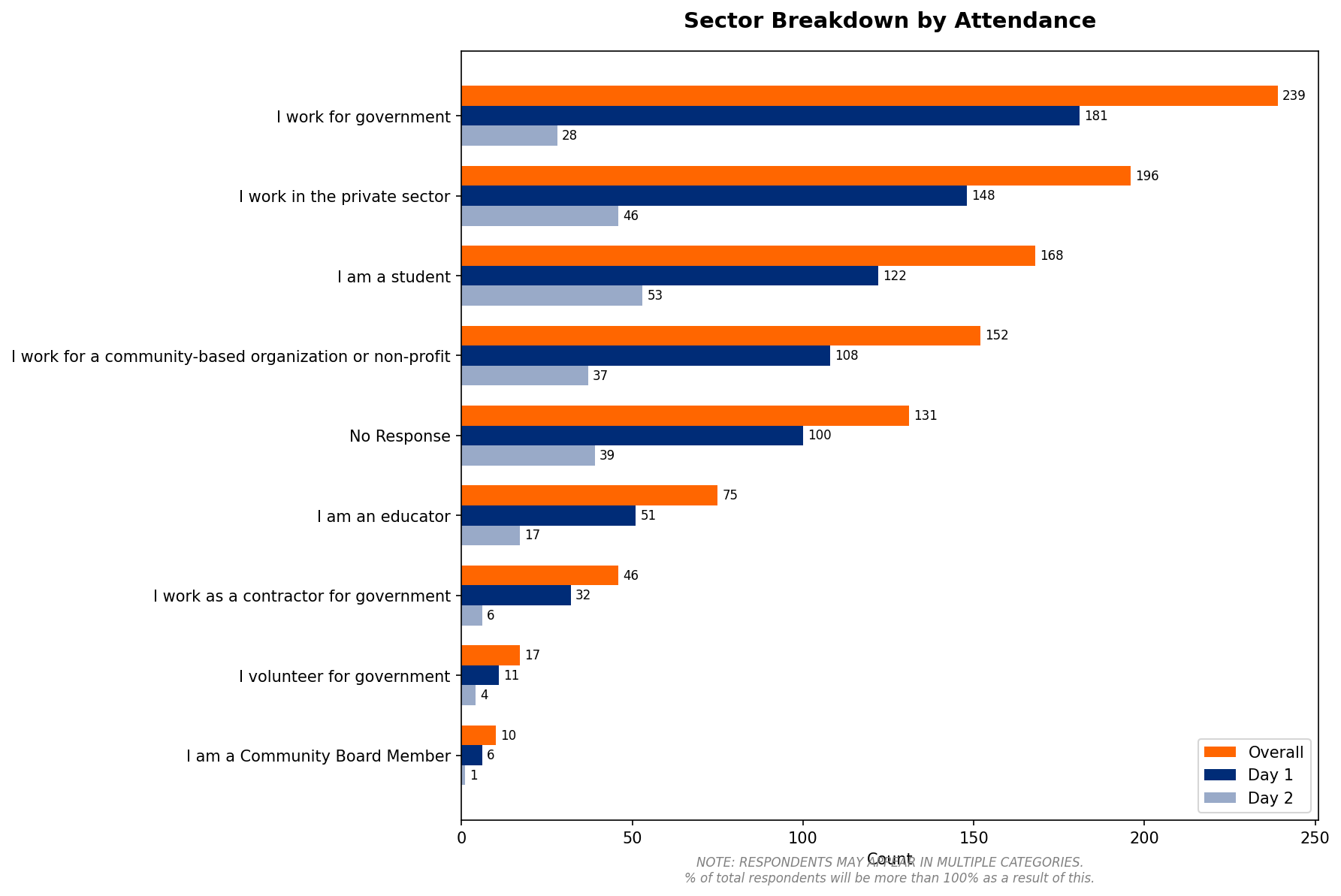
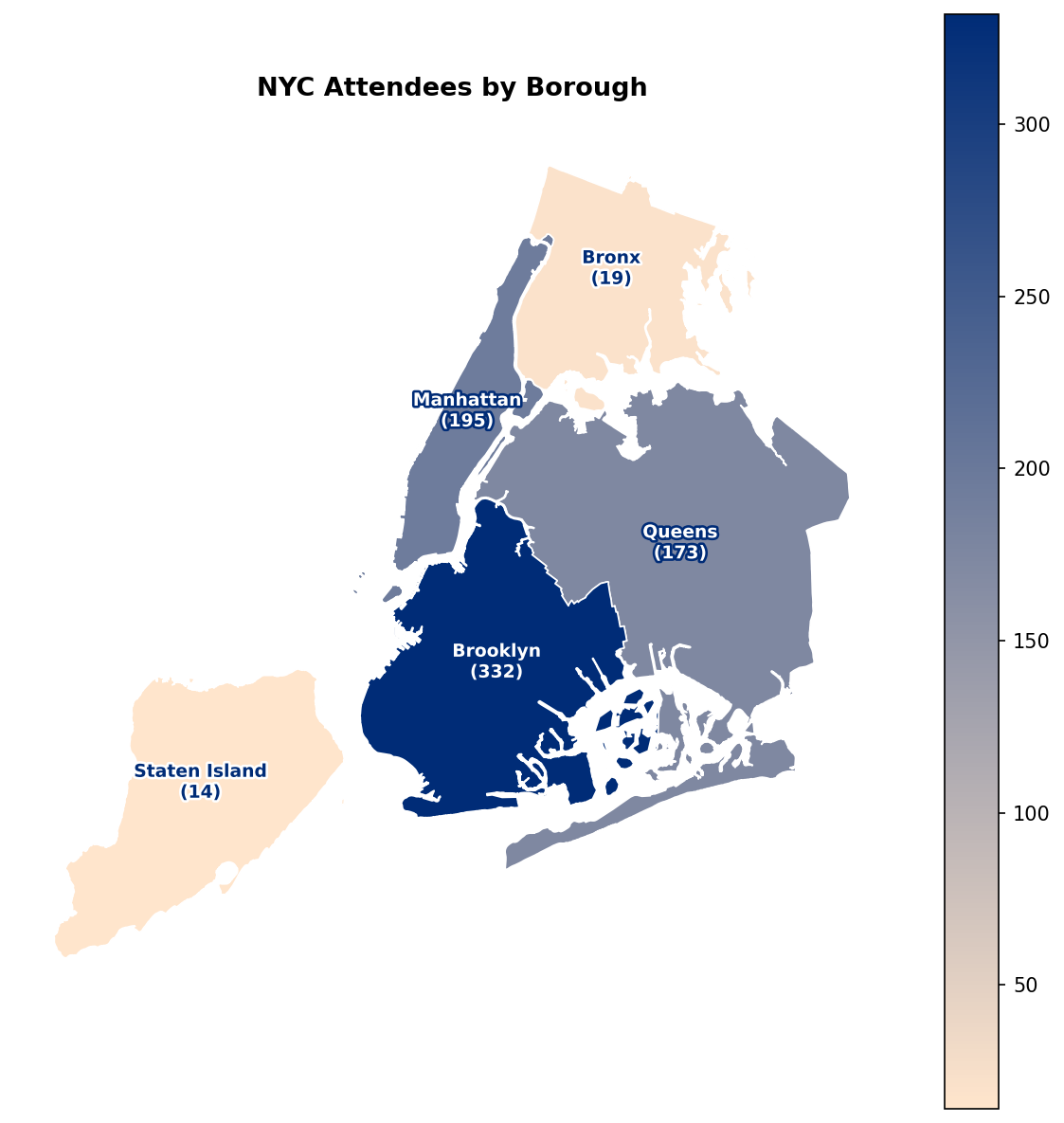
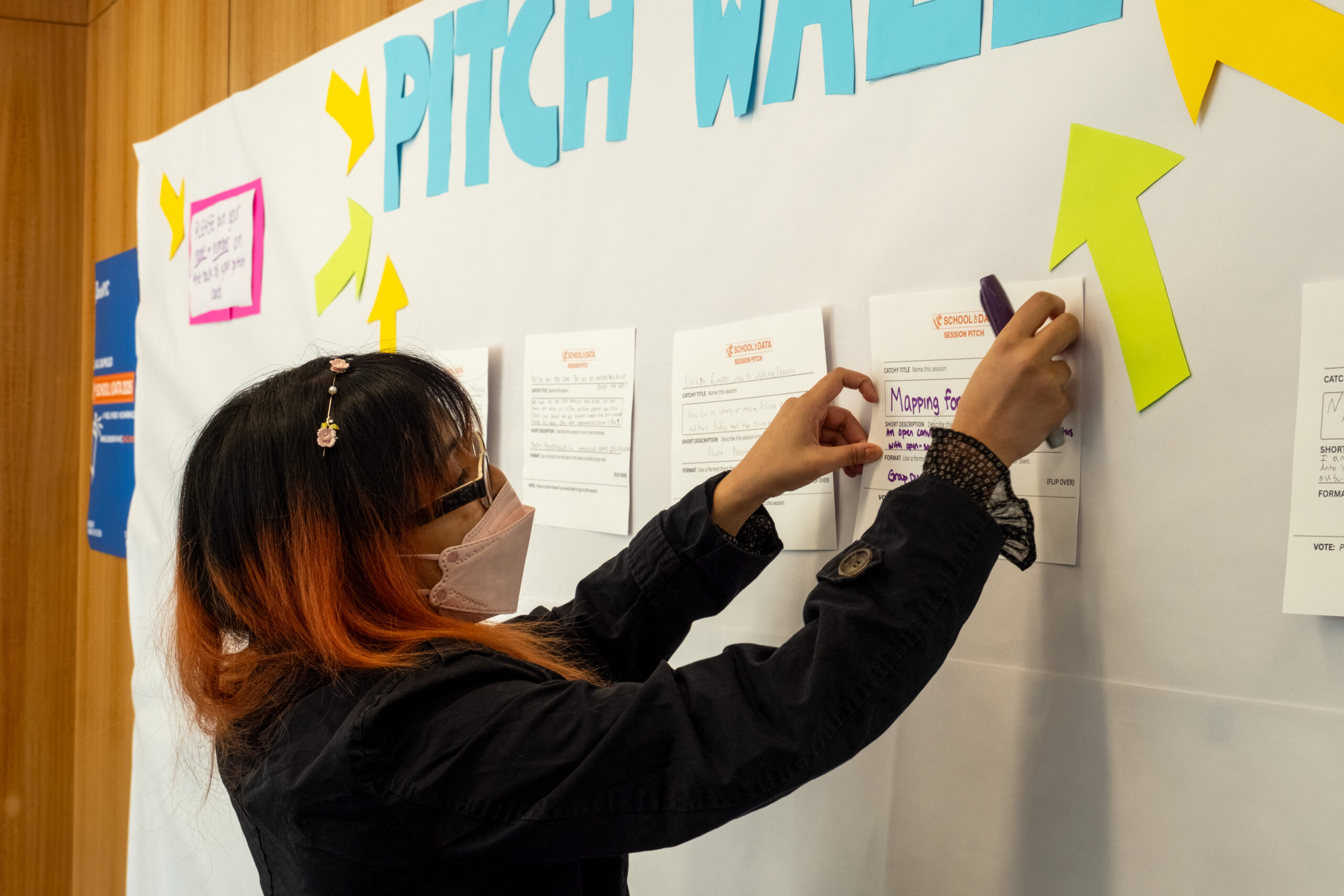
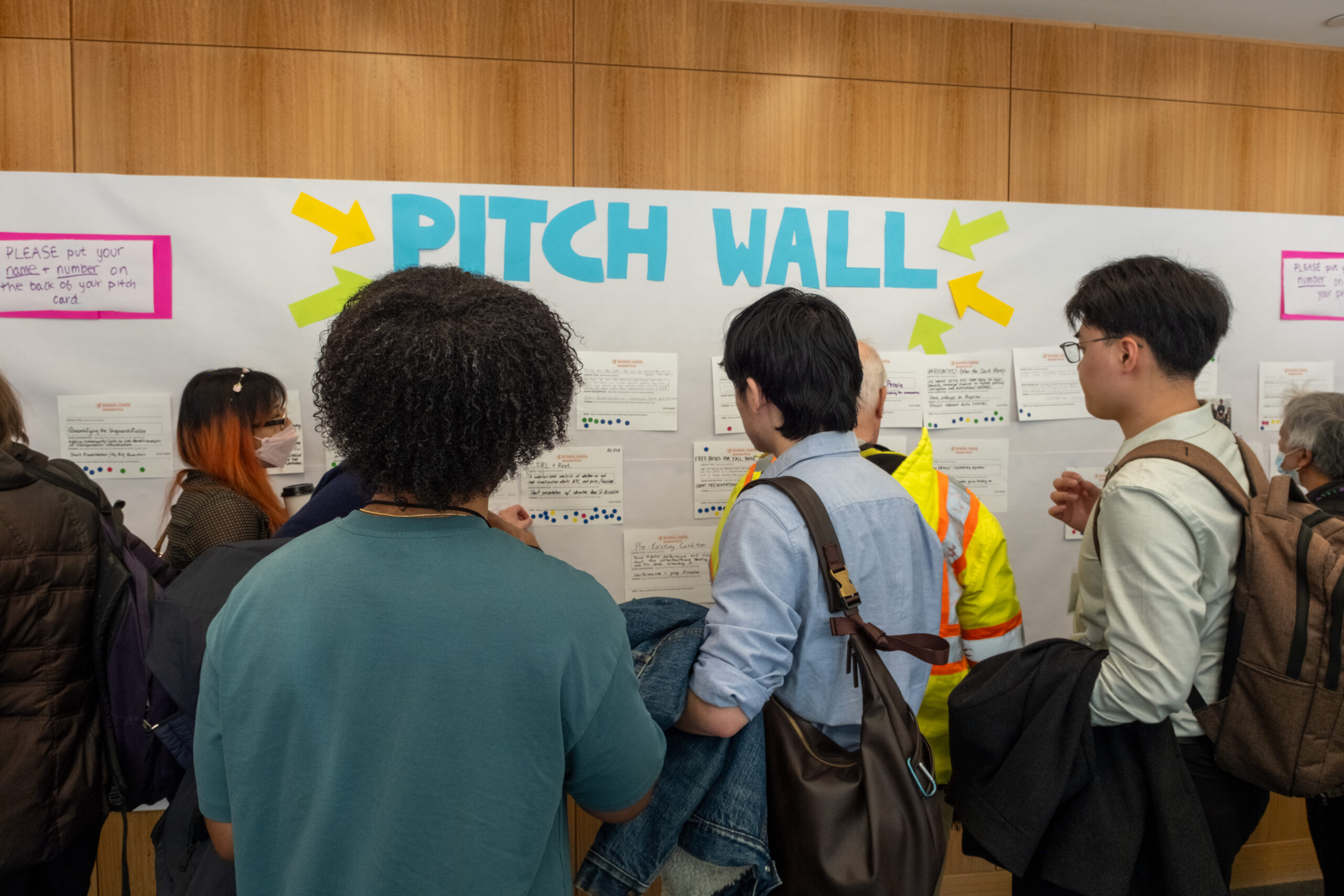
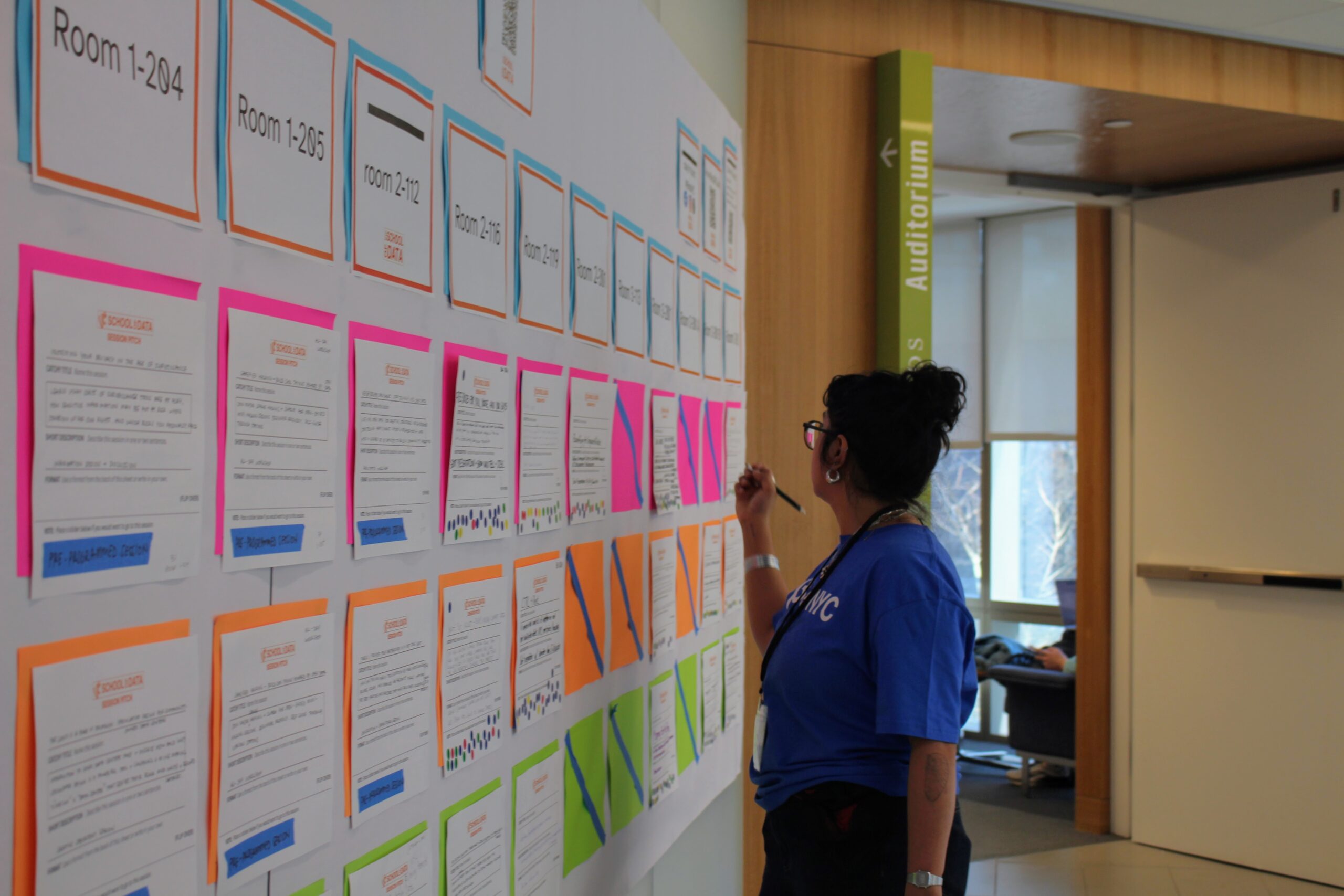
The debut of UnSchool of Data on the second day of the conference marked a shift toward participant-driven sessions. The day was anchored by a handful of pre-seeded participatory sessions as conversation starters; however, the bulk of the session topics was left entirely in the hands of the attendees.
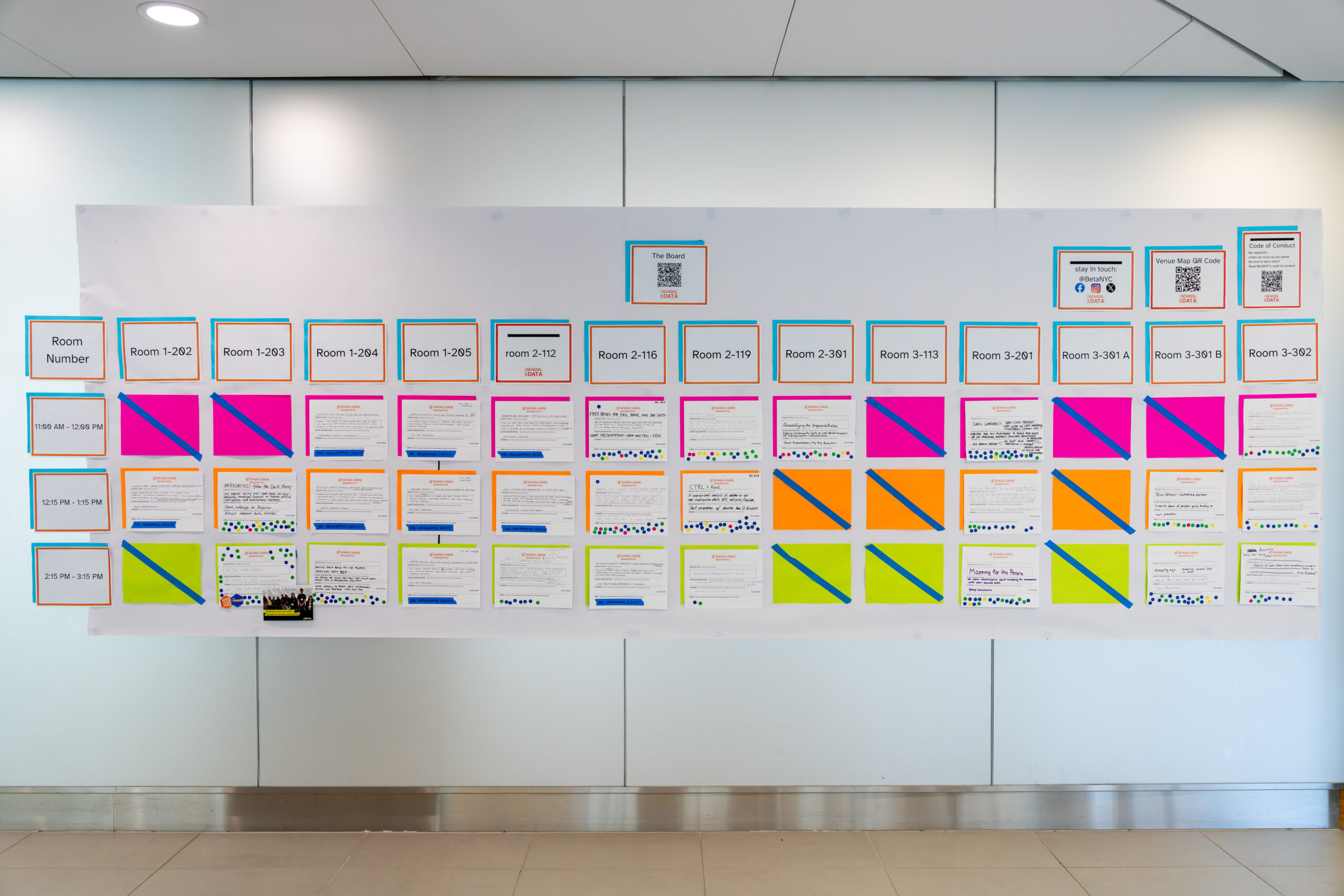
At the start of the day, community members pitched session ideas, and participants voted on which sessions they wanted to attend. From there, 18 unconference sessions unfolded organically, shaped by collective interest and curiosity. In total, 199 people participated in this community-led format.
UnSchool of Data Highlights
SMoL Gardens: Can Civic Techs Vibe Code with Less Harmful Platforms? This session explored the use of “Small Language Models” (SLM) as a more ethical alternative for civic technology development. Discussion unfolded about whether smaller, specialized AI platforms could reduce the harms associated with larger, more resource-intensive models.
UNREDACTED – Follow the Dark Money: This data and advocacy-focused session showcased a dashboard tool designed to expose corruption by tracking opaque financial influences of political and corporate spending.
CTRL + Rent: This session dove into a discussion about housing affordability and tenant rights, focusing on how data tools can empower renters with more control and insights into the NYC rental market.
Lights, Camera, Action: Filming Permits Data: A conversation about the datasets surrounding film permits in NYC explored how commercial production impacts neighborhoods and how citizens can track this activity.
View the UnSchool of Data Board to see community session details and shared notes docs.
Throughout the weekend, one theme kept surfacing: this community finds joy in doing this work together.
“Every time I reflected on the week, I kept landing on two words: joy and gratitude. Joy, watching the expression of joy around the use of public data, and to see so many people involved in this effort and endeavor over the past year…the way in which New Yorkers engage with public data, the way they see it, the way they use it, has been a joyful experience.”
Tayyab Walker, Associate Commissioner, NYC Office of Data Analytics
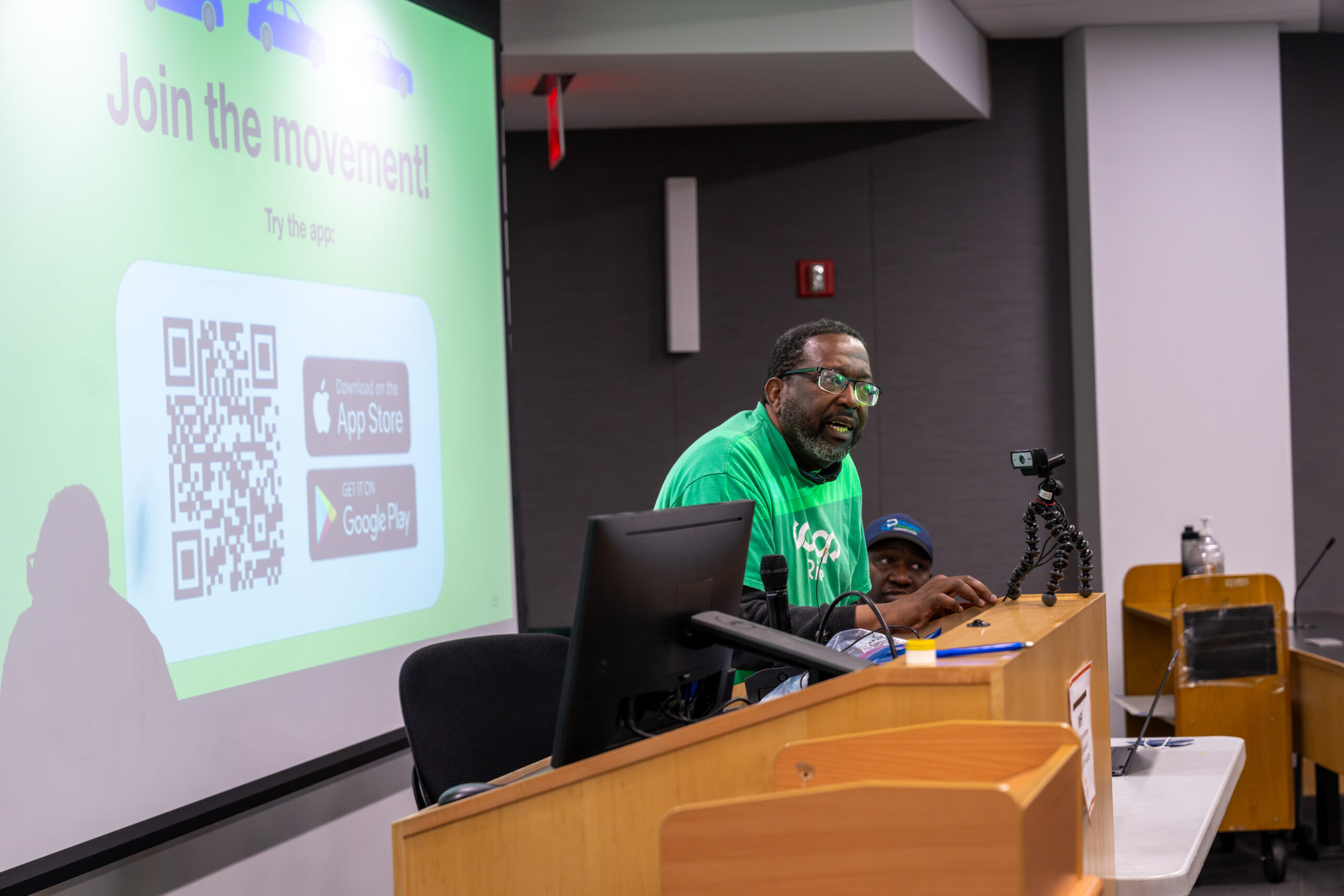
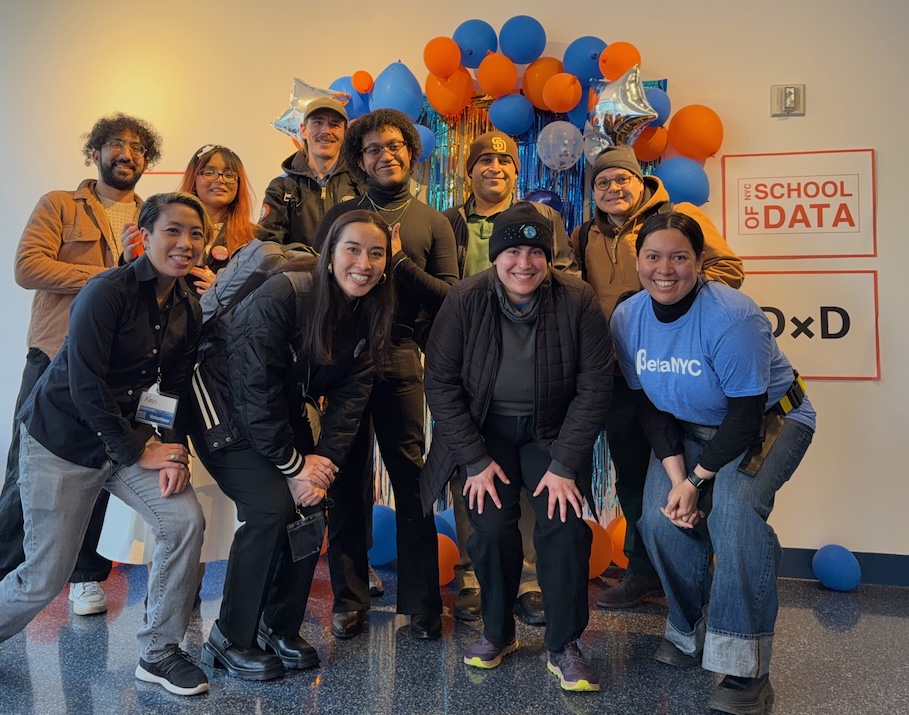
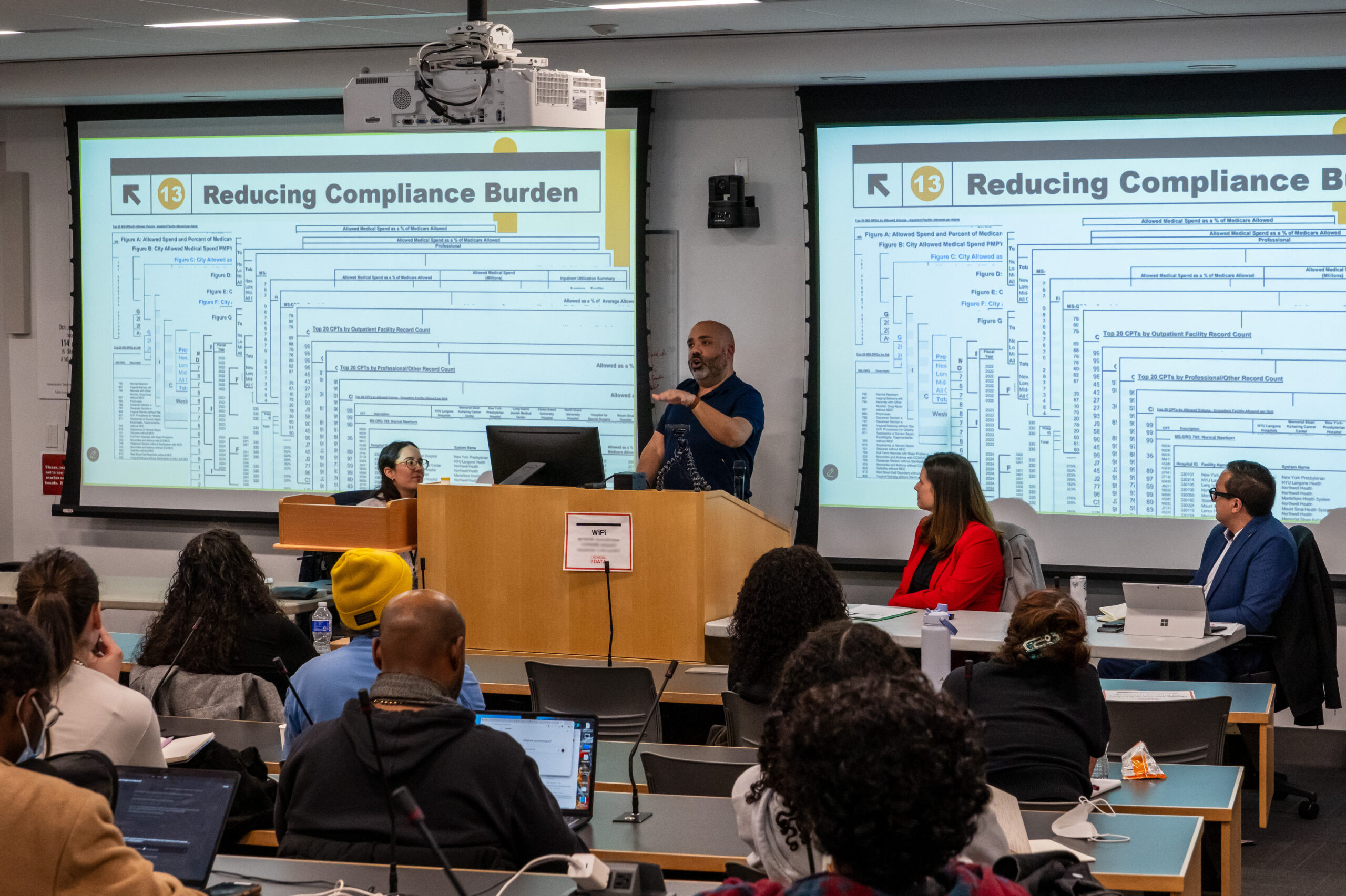
Thank you to the speakers, organizers, volunteers, and sponsors
A huge thank you to the speakers and organizations who made this year’s program possible! Open Data Week would not exist without organizers who are willing to share their work with others.
BetaNYC is especially grateful to the 76 volunteers who supported NYC School of Data with event setup, registration, wayfinding, session tech, meals and snacks (plus cake!!), note-taking, and countless behind-the-scenes details that kept the conference moving. The weekend ran smoothly because of their effort and dedication.
You have immense power as part of the School of Data and as part of this network. But really to lobby your city government and your state government to take some of that influence away from lobbyists and corporations and bring it back to all of us. Because we know that our data isn’t just for profit. It shouldn’t just be used for a few. It should be used by all of us.
New York State Senator Kristen Gonzalez
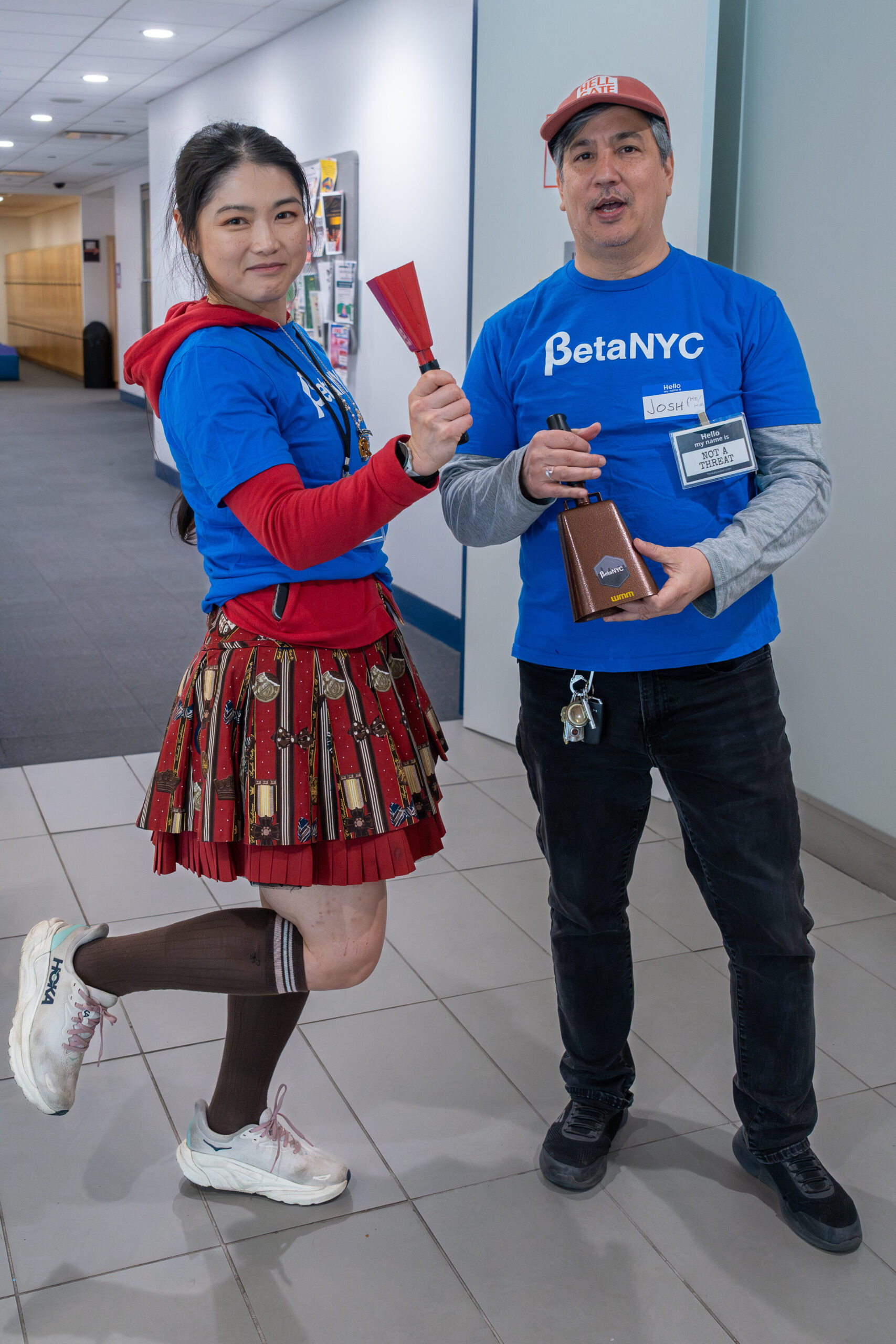
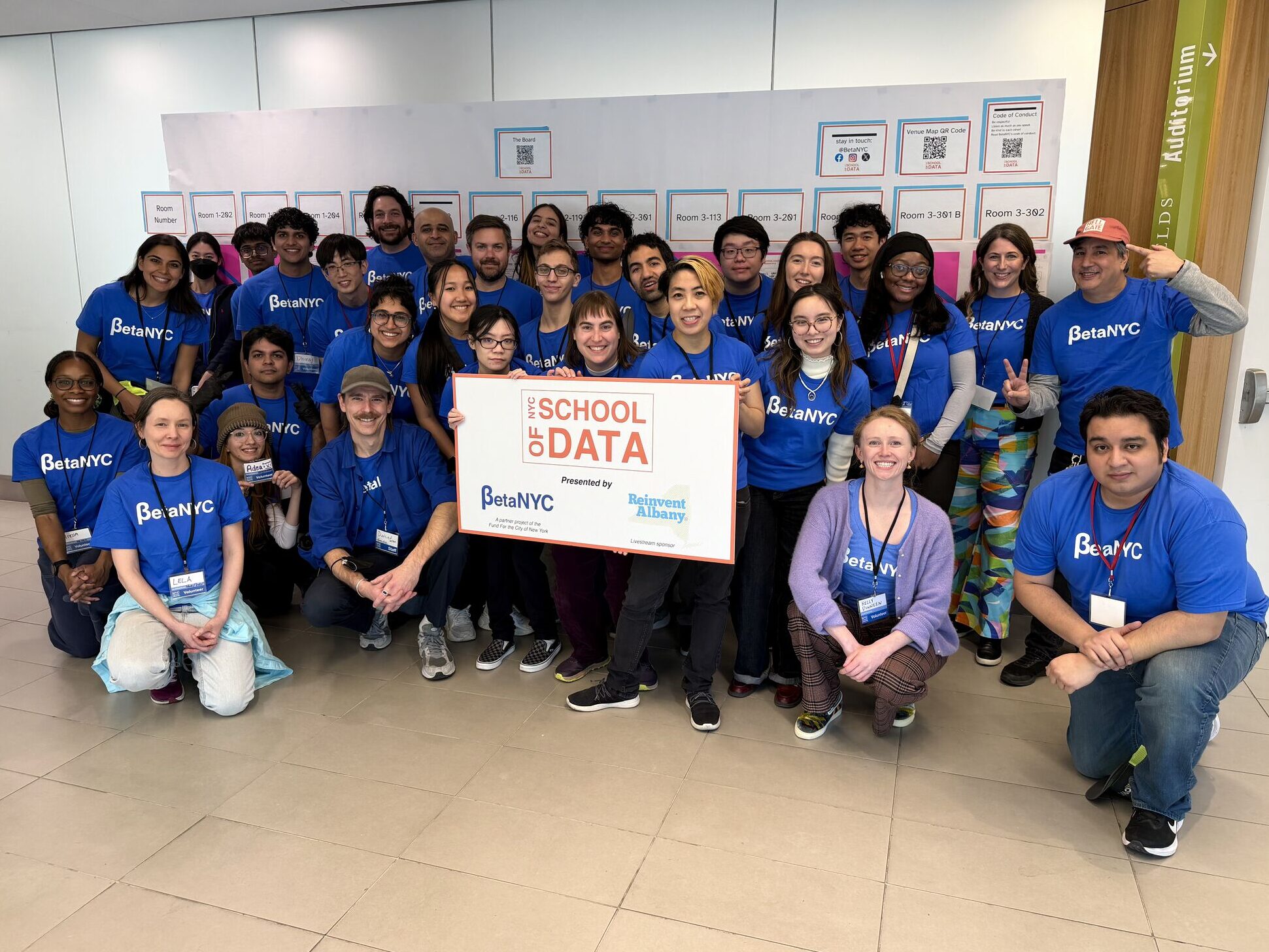
A special shoutout to BetaNYC’s Associate Board, for leading UnSchool of Data, collaborating on Session Scribes, and supporting the volunteer cohort on Sunday, March 29. Their leadership helped make the unconference day welcoming, thoughtful, and community-powered!
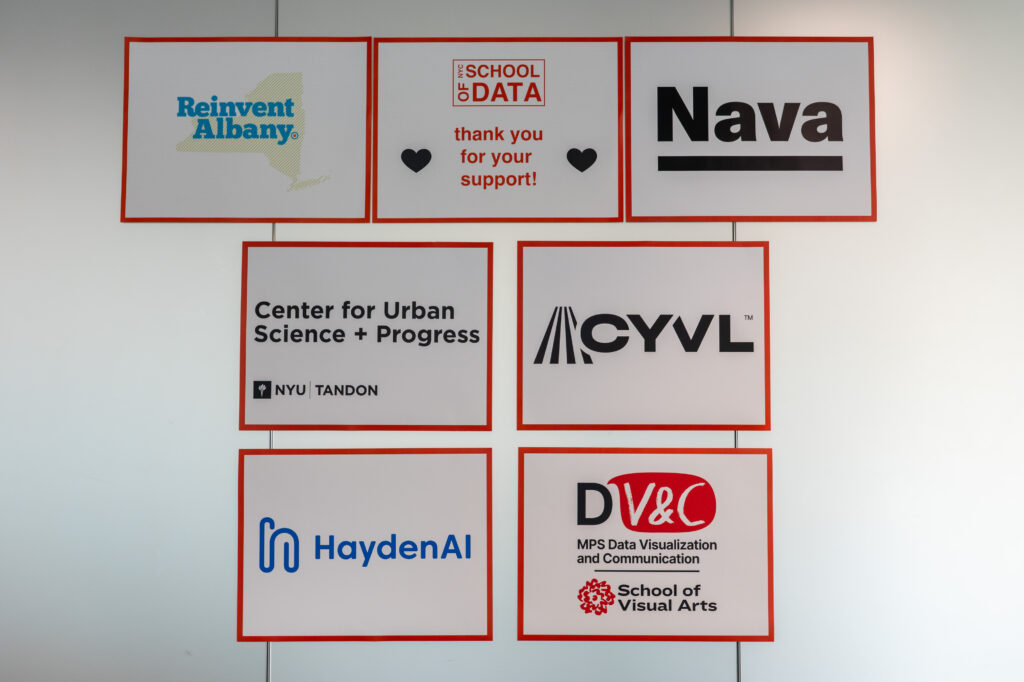
BetaNYC would also like to thank our festival sponsors, whose support helped us produce the two-day community conference:
- Reinvent Albany
- Nava
- Hayden AI
- School of Visual Arts MPS Data Visualization and Communication program
- Center for Urban Science + Progress (CUSP) at NYU Tandon
- Cyvl
2026 Program Highlights
This year’s Open Data Week lineup reflected the full range of what open data can be: analytical, creative, practical, local, joyful, and human. From documentaries and dashboards to climate, waste systems, data art, and community-led learning, the festival showed how New Yorkers are using data to understand and shape the city around them.
Echo{logies}: Data Through Design Exhibition
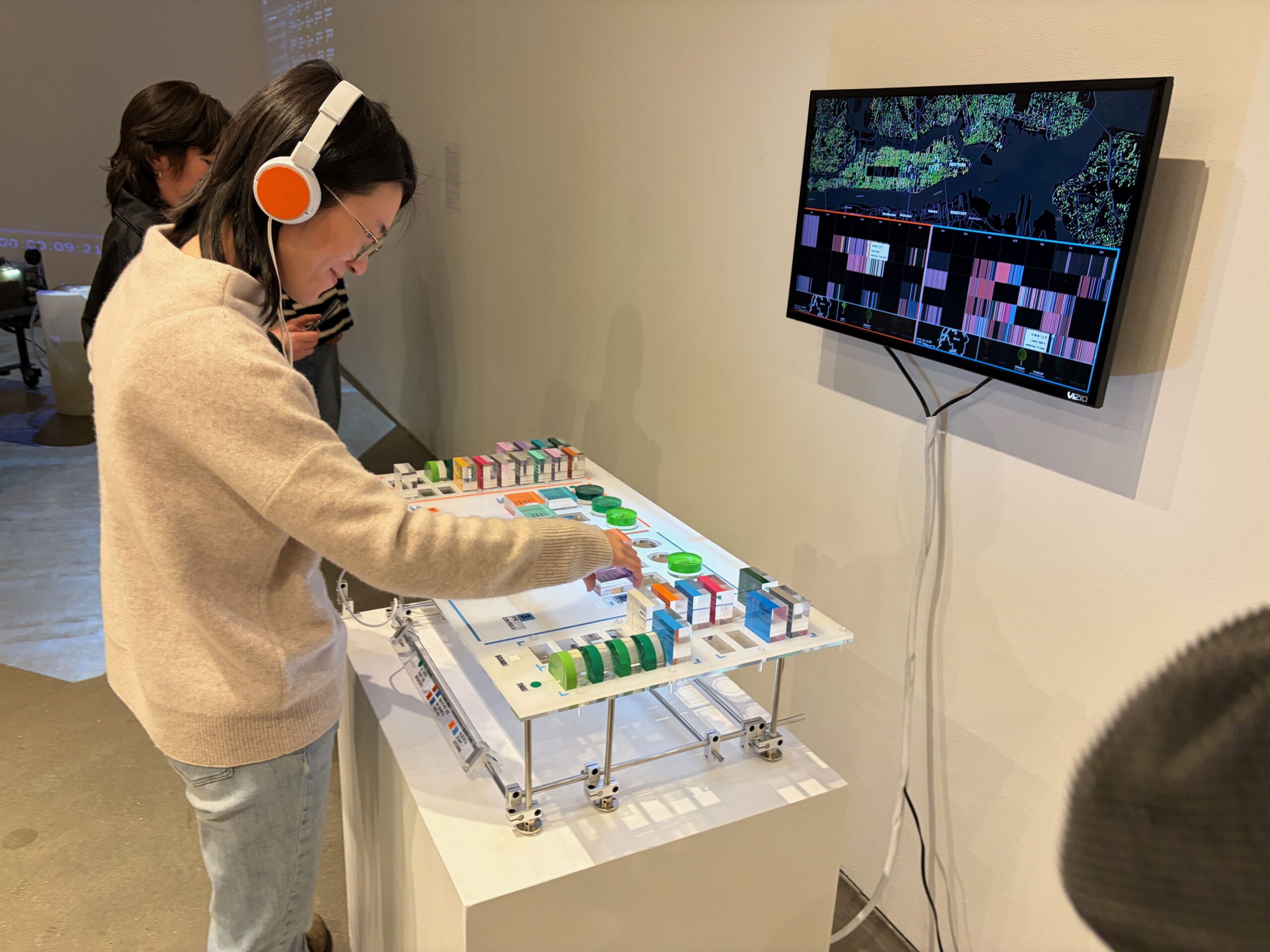
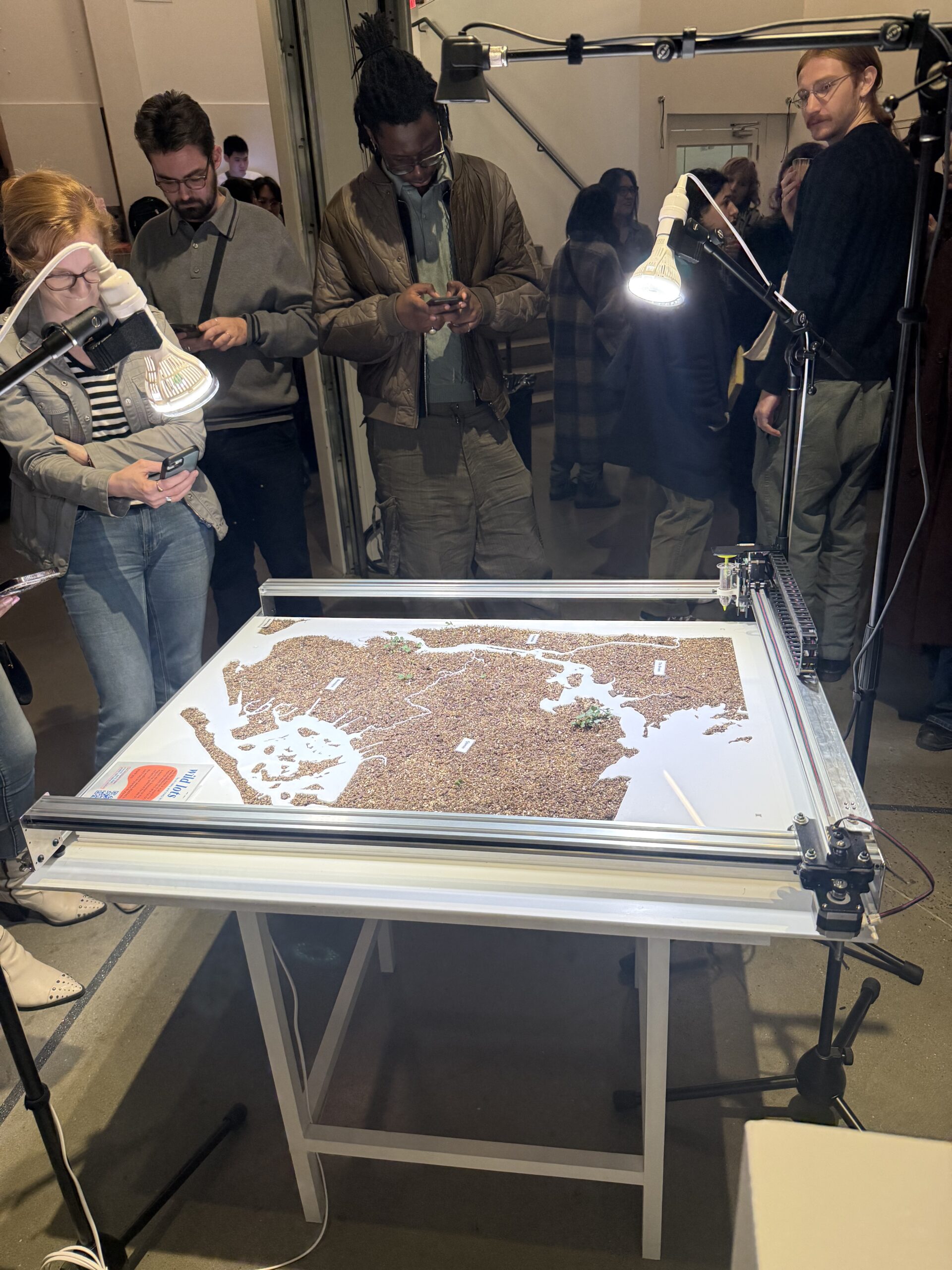
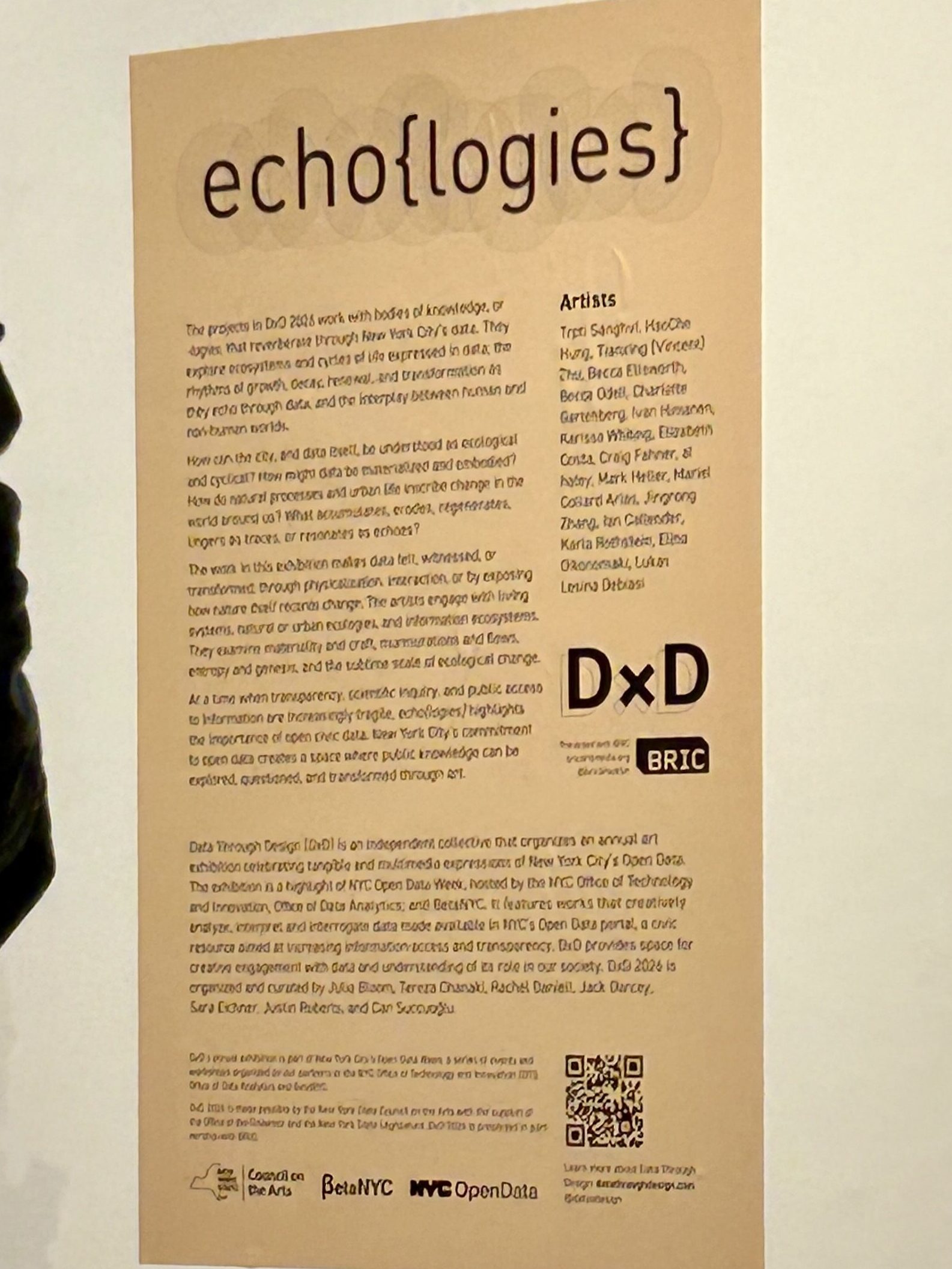
Data Through Design’s 2026 exhibition, Echo{logies}, transformed New York City’s open data into immersive artworks that explored the cyclical rhythms of urban and natural ecosystems. Artists utilized physical installations and interactive displays to highlight themes of growth, decay, and transformation as they resonate through the city’s complex datasets.
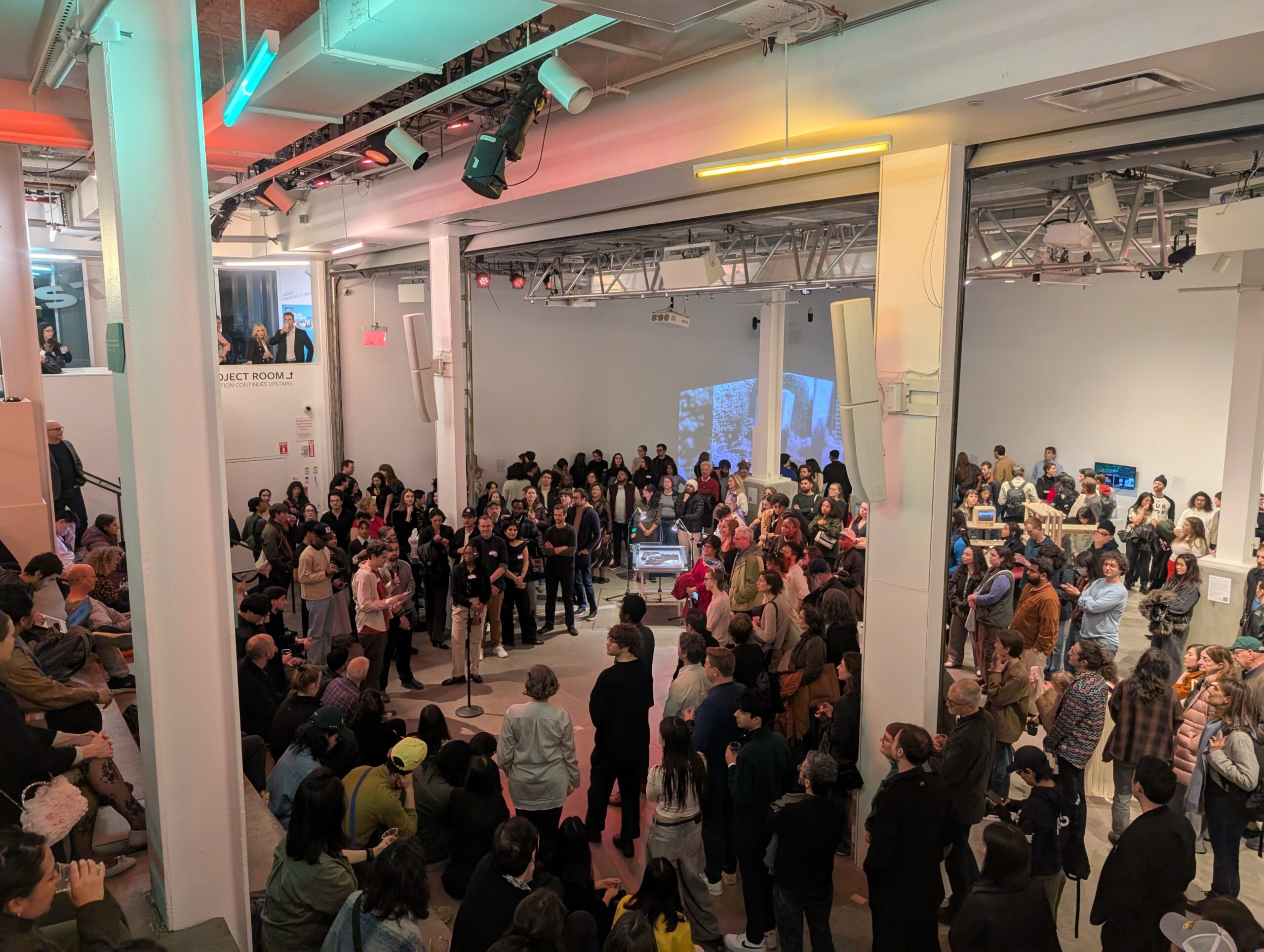
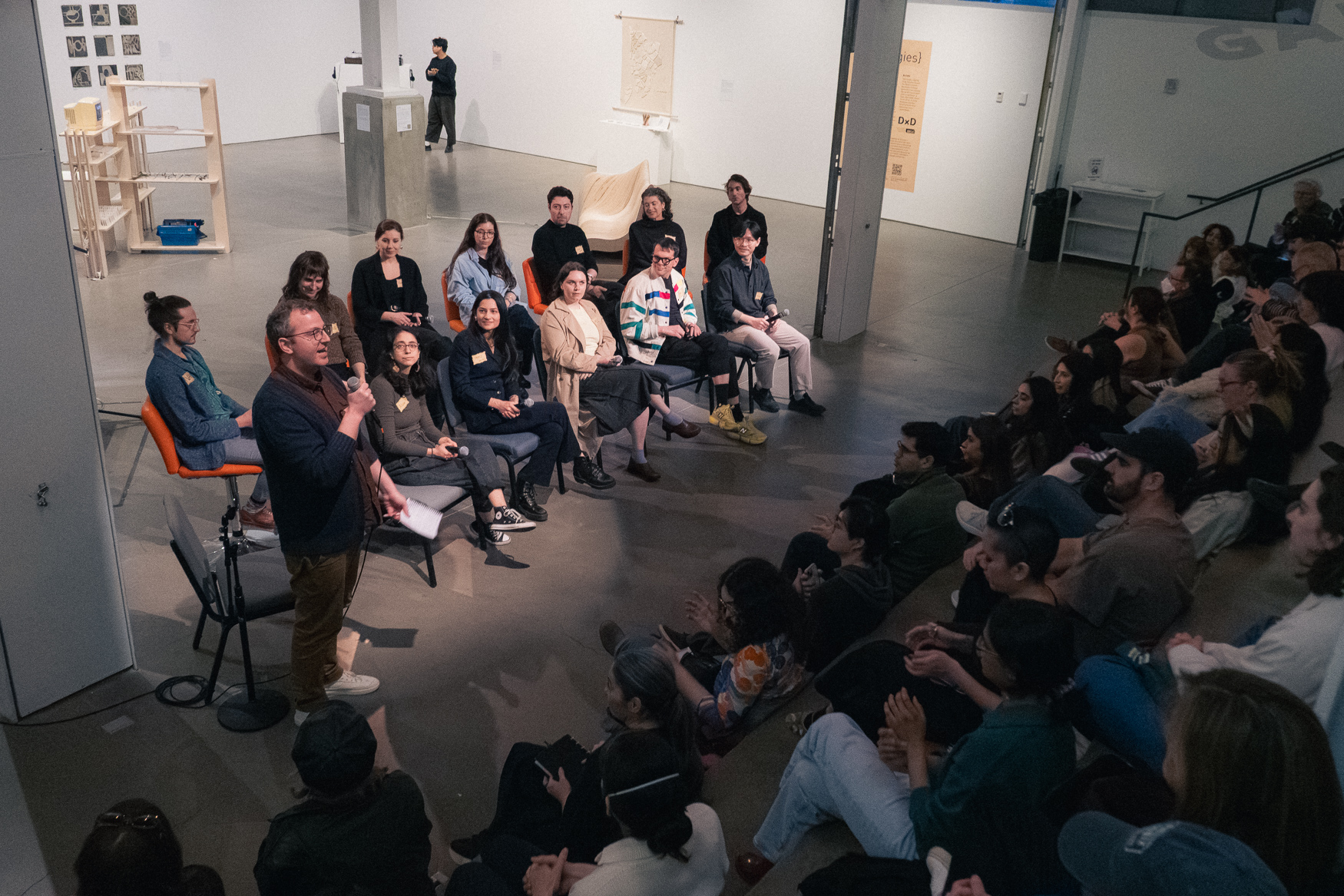
The festival kicked off with a sold-out opening reception at BRIC on March 21, where over 450 attendees gathered to experience the first look at this year’s installations.
This year’s exhibition marked an expansion of the partnership with BRIC, with the Open Data Week festival utilizing more of the gallery space to host live programming alongside the installations. This included hands-on sessions like the Stitching the Borough embroidery workshop with artist Astrid Malter and an Artist Panel on the final day of the festival, where Data Through Design creators discussed the artistic and technical processes behind their work.
Artists + Projects
- Desire Paths: Becca Ellsworth & Becca Odell
- HartLine: Ian Callender & Karla Rothstein
- Landscape Workshop: Mark Heller & Mariel Collard Arias
- Linger Loiter: Charlotte Gartenberg & Ivan Himanen
- Metropolitan Cuneiform: Jingrong Zhang
- The Oracle of Gotham: Karissa Whiting & Elizabeth Costa
- Turnstile Murmurations: Trpti Sanghvi
- Urban Data Orchestra: Composing the Hidden Rhythms of the City: Elina Oikonomaki & Lukas Lesina Debiasi
- Waste Rhythms: Living Records of NYC Communities: HaoChe Hung & Tianxing (Vincent) Zhu
- Wild Lots: Craig Fahner & A.L. Haley
In-person Event Highlights
Data Docs Film Series: a full-day documentary experience at DCTV’s Firehouse Cinema in Chinatown, pairing four films about issues New Yorkers face, from housing to child care to street safety, with NYC Open Data connected to each issue. Conversations with data experts and city officials helped attendees move from screen to dataset, and from story to public inquiry.
Maples, Oaks, and More: The NYC Tree Map as a Stewardship Tool
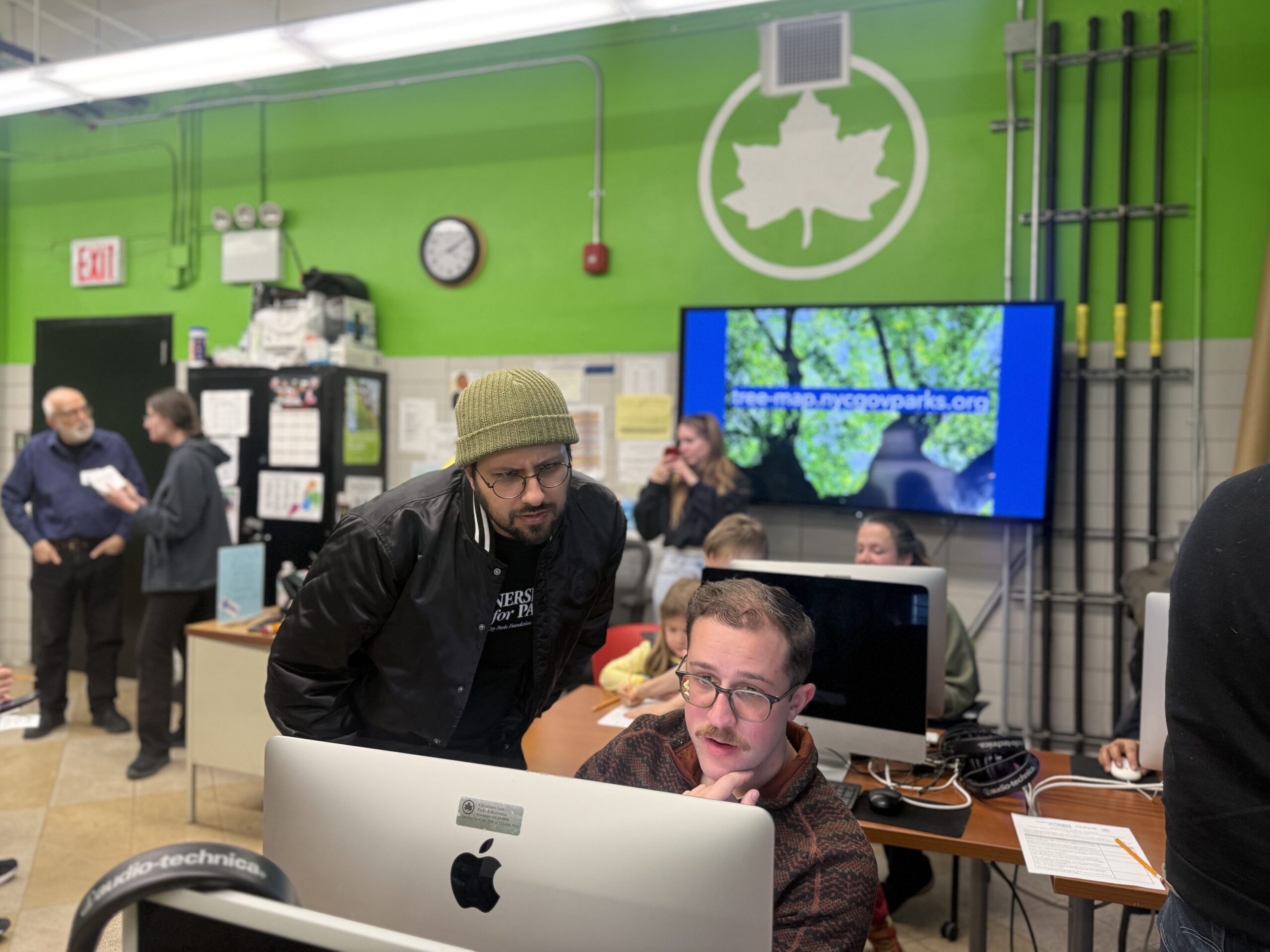
explored the NYC Tree Map, a free online tool developed by NYC Parks. Attendees learned how NYC Tree Map was designed and developed and used desktop computers to explore the NYC Tree Map and become familiar with navigating its features to organize and record their tree stewardship efforts.
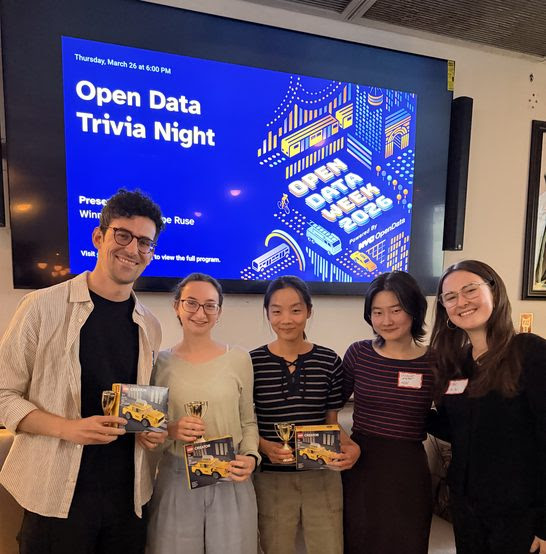
Open Data Trivia Night brought a playful spirit to the festival at Wilka’s on the Lower East Side. Teams worked through NYC Open Data challenges using Excel, R, Python, and other tools in this gamified data event.
NYC PIT Pop Up: CUNY Open Data Takeover: From March 23 to March 27, the NYC PIT Pop Up at the Oculus hosted a series of interactive workshops and presentations. Highlights included data-driven explorations of NYC’s flood vulnerability and a speculative workshop reimagining data centers as community-integrated spaces.
Virtual Highlights
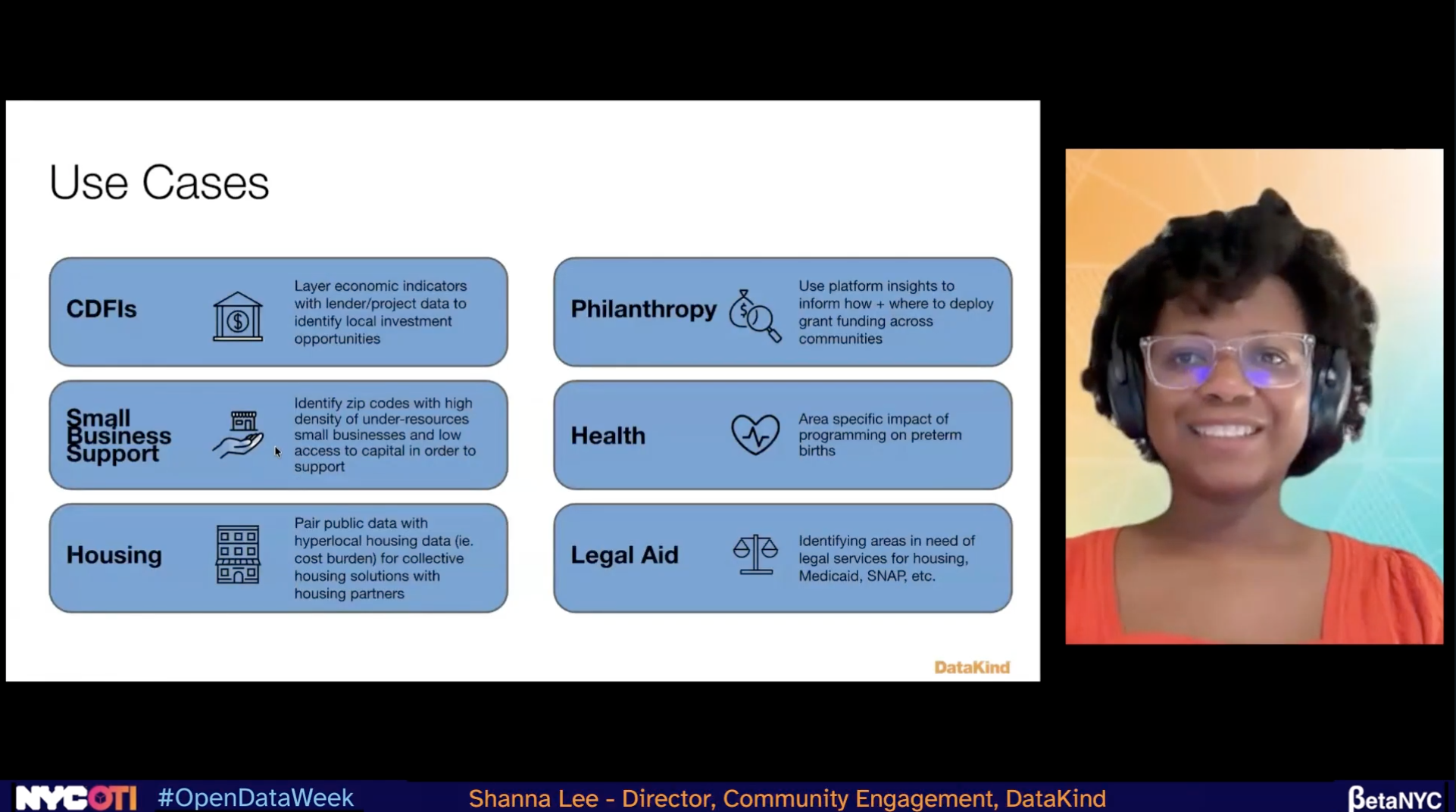
Using Open Tools to Explore Open Data: This session featured demonstrations of several tools created by Datakind, an organization that builds free and open software in the public interest. The introductory training covered diverse services such as community mapping, predictive modeling, data transformation, data quality checks, and use cases
Tracking NYC Trash: Using Open Data to Understand and Improve the City’s Waste System: This session talked trash and explored how open data can demystify the city’s waste system through the interactive Track NYC Trash dashboards and DSNY datasets. Participants analyzed neighborhood-level trends in recycling and composting to better understand how waste is managed across the five boroughs.
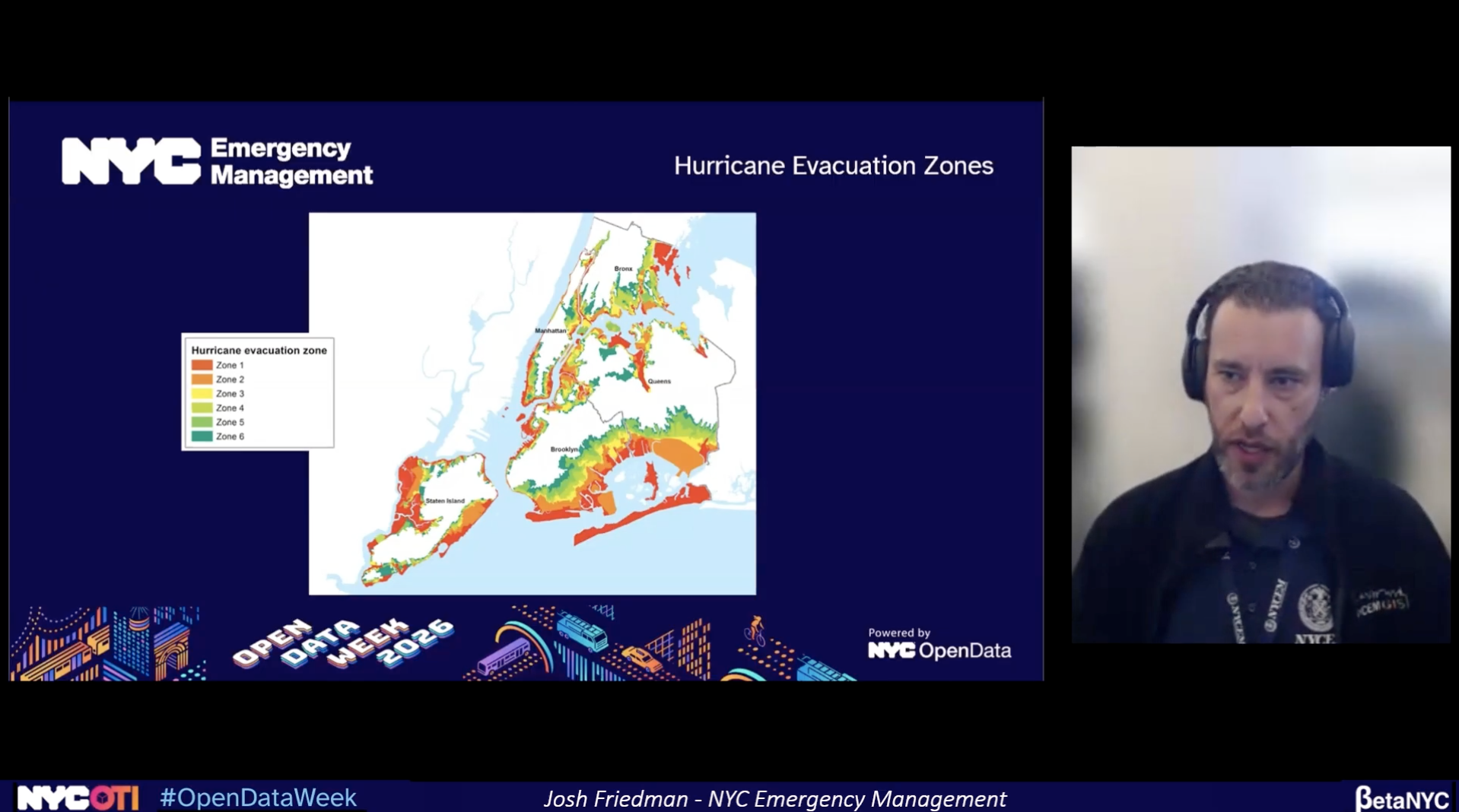
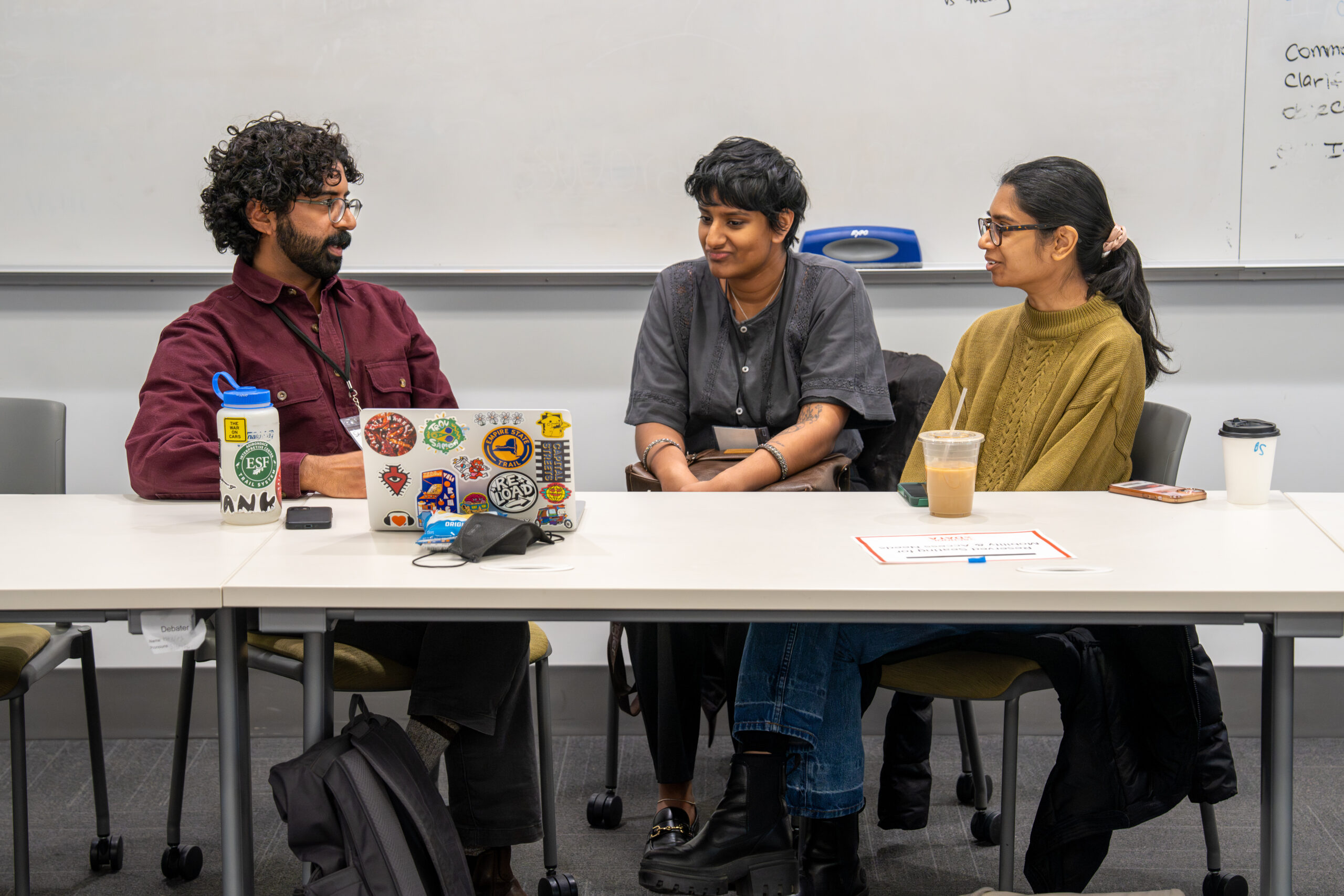
NYC Agency Maps, Tools, & Geospatial Data for 2026: This panel featured Geographic Information Systems (GIS) leaders from NYC agencies who shared insights into geospatial data initiatives planned for 2026. The group reviewed public datasets and discussed how GIS are leveraged to analyze and visualize geographic data across the city, wrapping up with exploration of the current state of GIS technology and its essential role in helping the City better serve its residents.
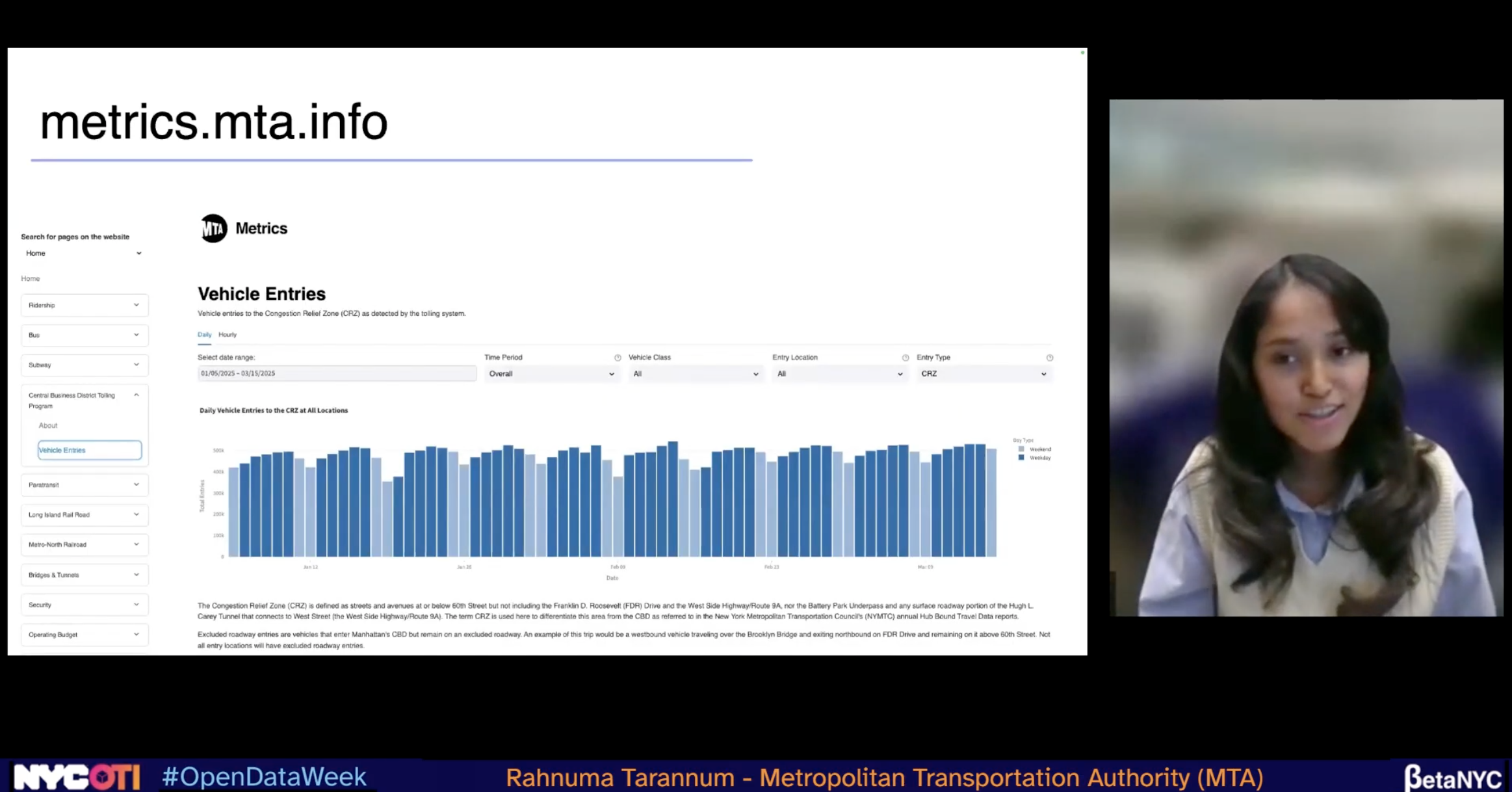
Querying Big Bus Data off of the Open Data Portal: MTA data scientists led this training on querying large-scale bus data using Socrata Query Language (SoQL). The session began with a hands-on demonstration of in-browser tools before transitioning into advanced techniques for joining bus speed data with geospatial shapes. Participants explored how to create map-based visuals using Python and were provided with a GitHub repository for further practice.
School of Data Main Stage Highlights
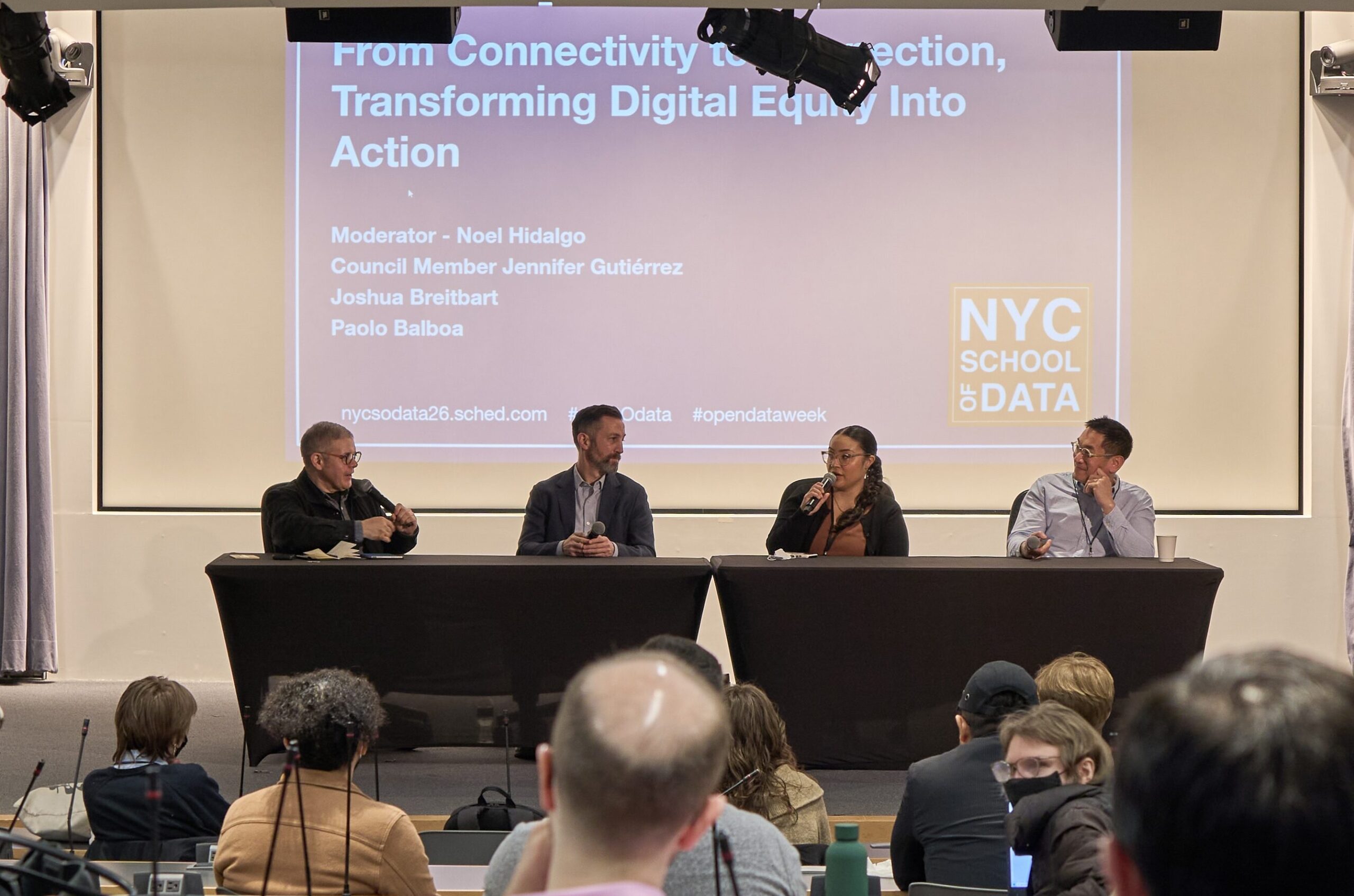
From Connectivity to Connection, Transforming Digital Equity Into Action
This panel explored the roots of the digital divide and discussed basic connectivity and digital agency for all New Yorkers. Speakers reviewed the revival of the city’s Internet Master Plan and the impact of the Wired Act on advancing statewide digital equity. The session concluded with a call for sustained collaboration between government and community organizations to ensure that infrastructure translates into adoption and literacy.
Speakers: Jennifer Gutiérrez, Council Member, District 34, New York City Council; Joshua Breitbart, Senior Vice President, New York State’s ConnectALL, New York State Government; Paolo Balboa, Chief Digital Equity Officer, New York City Office of Technology and Innovation
Moderator: Noel Hidalgo, Executive Director, BetaNYC
Building the Public Interest Tech Workforce
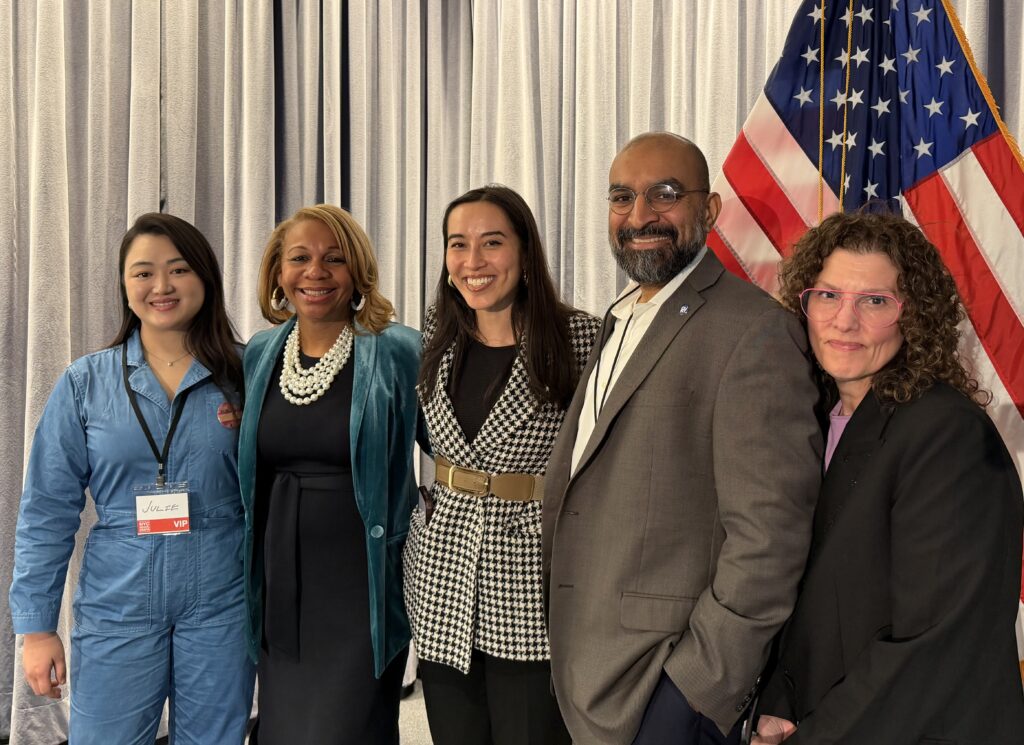
This conversation explored strategies for building an inclusive public interest tech workforce through diverse career pathways and expanded digital equity. Speakers from government, academia, and the nonprofit sector discussed the importance of AI literacy and the potential for a public “AI Corps” to support community-driven solutions. The session concluded with a call for coordinated cross-sector investment to ensure all New Yorkers can participate in and benefit from the city’s digital future.
Speakers: Aankit Patel, University Dean, City University of New York; Jazzy Smith, Chief of Staff, BetaNYC; Julie Won, Council Member, District 26, New York City Council; Lauri Goldkind, Professor of Social Work at Fordham University and founder of the PAIRED Lab, Fordham University
Moderator: Meisha Porter, Senior Visiting Fellow, Center for Educational Innovation
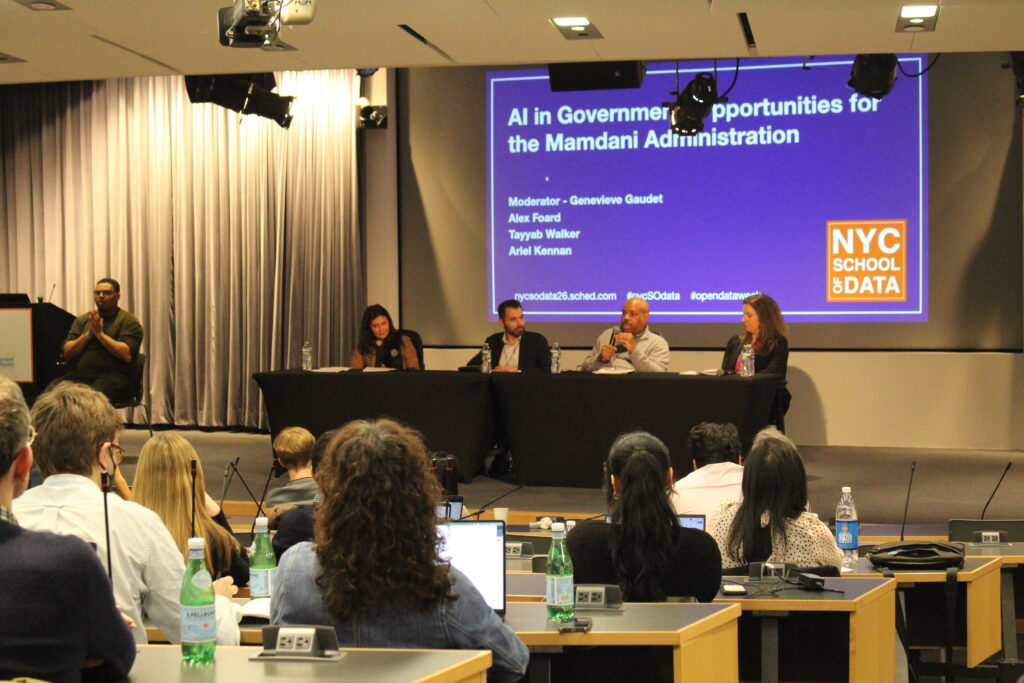
AI in Government: Opportunities for the Mamdani Administration
This panel examined the evolution of AI governance in New York City and discussed how the mayoral administration can build upon established transparency and accountability frameworks. Experts shared insights from projects like the MyCity Benefits Engine while highlighting the essential roles of data privacy, workforce literacy, and public trust. The conversation wrapped with a focus on human-centered design as a key strategy for delivering more accessible and equitable public services through AI.
Speakers: Alex Foard, Assistant Commissioner, Research & Collaboration, NYC Office of Technology & Innovation; Ariel Kennan, Senior Director, Beeck Center for Social Impact + Innovation, Georgetown University; Tayyab Walker, Associate Commissioner, NYC Office of Data Analytics
Moderator: Genevieve Gaudet, Director of Nava Labs, Nava PBC
How has 10 years of civic engagement through open data changed New York?
This panel reflected om ten years of the Open Data Week festival and the pivotal role civic engagement played in its evolution. Panelists discussed how a decade of advocacy and community feedback helped transform the open data portal into a more accessible and accountable resource for all New Yorkers. The session concluded by highlighting the collaborative partnership between city government and the public that continues to shape the future of open data.
Speakers: Adrienne Schmoeker, Senior Program Officer, Bezos Earth Fund; Gale Brewer, Council Member, District 6, New York City Council; Lisa Mae Fiedler, Open Data Manager, Metropolitan Transportation Authority; Martha Norrick, Principal at Backbone Strategies and Senior Fellow at Reinvent Albany; Zachary Feder, Open Data Program Manager, NYC Office of Data Analytics.
Moderator: Noel Hidalgo, Executive Director, BetaNYC
Impact
Ten years in, Open Data Week is a festival that serves as infrastructure for civic participation. It is a space where practice meets policy, where public servants meet community members, and where data becomes a shared language for accountability and imagination.
The record number of proposals, the geographic reach, and the launch of UnSchool of Data all point to something larger: this is a community that is growing not just in both size and purpose.
Every year, Open Data Week reminds us of the beauty, power, and possibility contained within New York City’s 6.3 billion rows of public data…This vast public resource tells the story of who we are as a city—and where we must focus our attention to build something better.
Mayor Zohran Mamdani in a press release from the Office of Technology and Innovation
Stay in touch
Thank you to everyone who helped make Open Data Week 2026 so meaningful and a huge success. Whether you organized a session, volunteered your time, or attended a workshop, your involvement shaped a memorable Open Data Week.
Here’s to the next decade!
Stay connected with the NYC Open Data community throughout the year:
Sign up for announcements from Open Data Week to hear about the next call for proposals, 2027 festival dates, Open Data Week meetups, and NYC Open Data’s annual report.
View event recordings on the Open Data Week YouTube and BetaNYC YouTube channels in the coming weeks and learn more about next year’s festival at opendataweek.nyc.
Follow along on social media:
LinkedIn
New York City Office of Technology & Innovation
BetaNYC
Data Through Design
Bluesky
@beta.nyc
@schoolofdata.nyc
Instagram
@nycofficeoftech
@betanyc
@dataxdesign
Threads
@nycofficeoftech
@betanyc
Facebook
NYC Office of Technology and Innovation
BetaNYC
Data Through Design
X / Twitter
@NYCOfficeofTech
@NYCAnalytics
@DataXDesign
Fediverse / Mastodon
@BetaNYC@urbanists.social