The “Waiting for Permission” Era
At BetaNYC, I served as Chief of Staff, helping build the systems, programs, partnerships, and million tiny things that keep the work moving. I am deeply grateful for my years at Beta, for the people who shaped me, challenged me, trusted me, and taught me what it means to build civic infrastructure with care. For the past couple of years, I was also working part time at KEEN New York, an organization that provides free sports and recreational programs to young people with disabilities across New York City. Now, as I step more fully into my role as Executive Director of KEEN NY, what I learned at Beta is coming with me.
I came to BetaNYC after working at another non-profit where I had held many different roles: teaching artist, coordinator for unhoused young people, and data manager.
I was trying to find my place in the management sphere of the nonprofit world. I knew I cared about operations, people, systems, and making programs actually work, but I was still figuring out what kind of leader I wanted to be and what kind of environment would help me become that person.
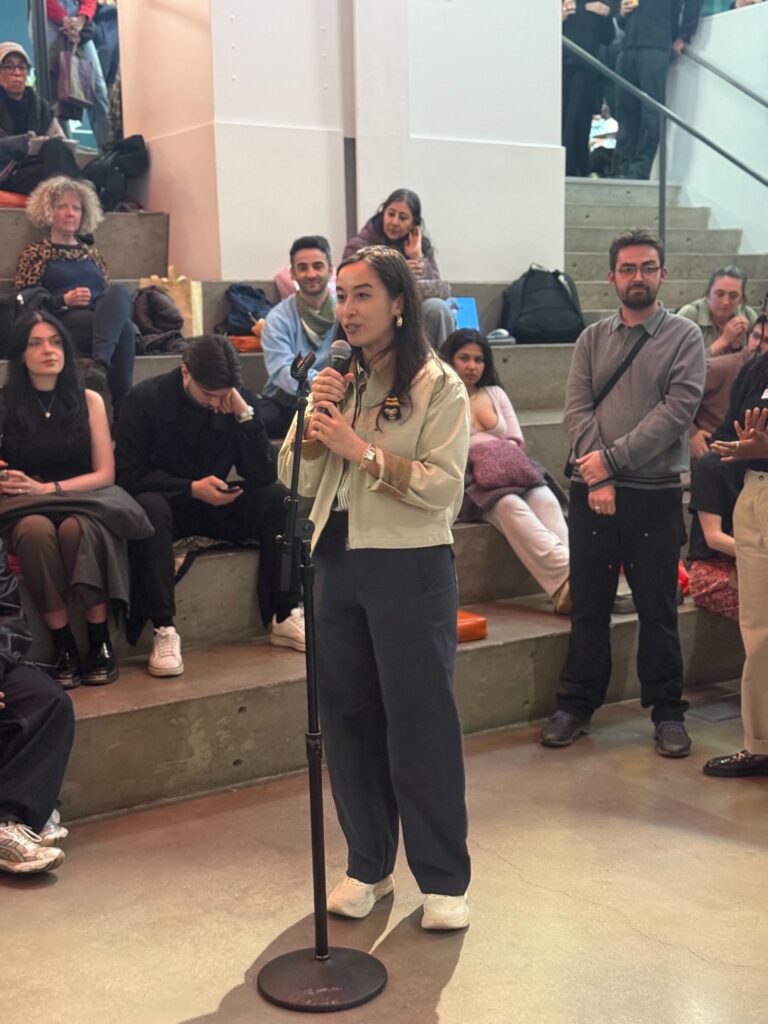
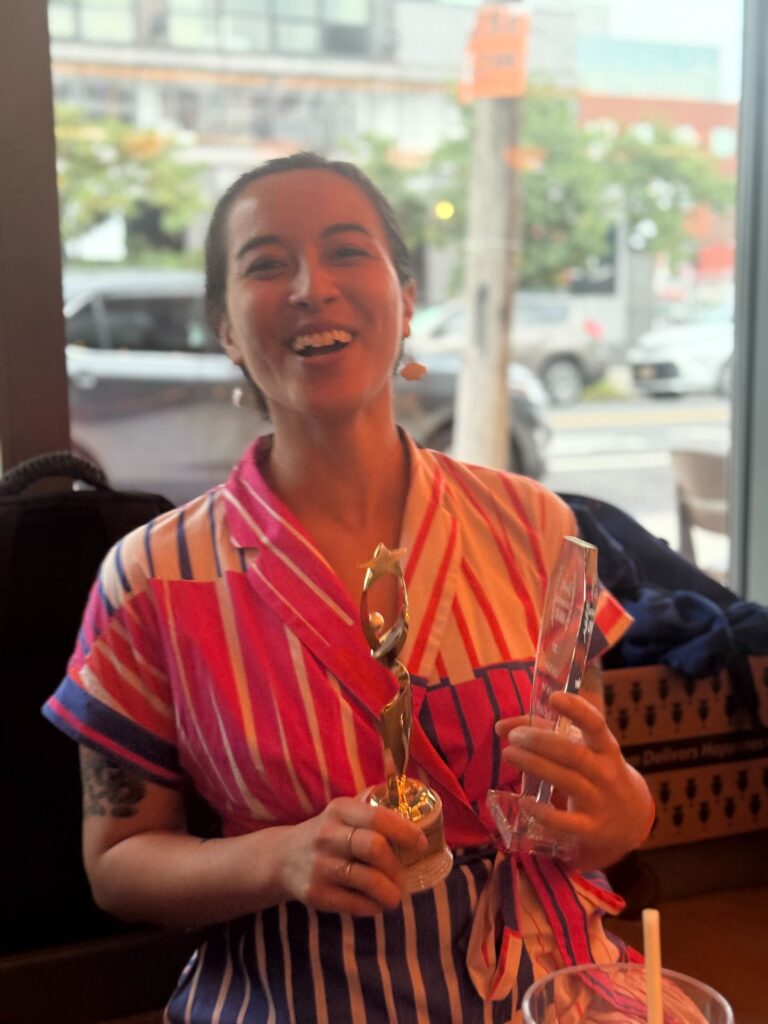
I learned quickly that at Beta, we built things from the ground up. There was no massive institution to hide within. There were no perfect templates hiding in a shared drive. There was no 100-page handbook explaining exactly how something had been done for the last 20 years. So many of our systems, templates, workflows, and programs were handmade, digitally, with sweat and tears.
That was a shift for me. I had come from larger institutions where you often wait for approval before moving forward, which makes sense when you are working inside a huge organization with hundreds of staff. There needs to be layers of review. There needs to be systems for managing risk.
But at Beta, I was introduced to a different way of working. One where you see a problem, try something, make a draft, move it forward, get feedback, fix it, and keep going. I had never experienced that level of autonomy and creativity before.
It felt like it was just me and the mirror: Am I waiting for permission because I need it, or because I’m scared to trust my own judgment?
That was one of the first big lessons Beta gave me. Sometimes, there is no one coming to give you the perfect instructions. Sometimes the work is to just jump and do it. That shift didn’t happen all at once. It showed up in small moments where I realized I was allowed to try things before I felt fully ready.
Cut the BS, Get to the Guts
When I first started at Beta, I found myself learning inside the orbit of Noel Hidalgo and Kate Nicholson’s leadership: both strong Geminis, brimming with ideas, with the spirit of “all right, let’s go,” and the grit to get us to the end. Cyclists through and through, which was a deep part of how they loved NYC. There was a shared ability between them to cut through the BS and a deep desire for success, play, and creating experiences and products that actually made a difference.
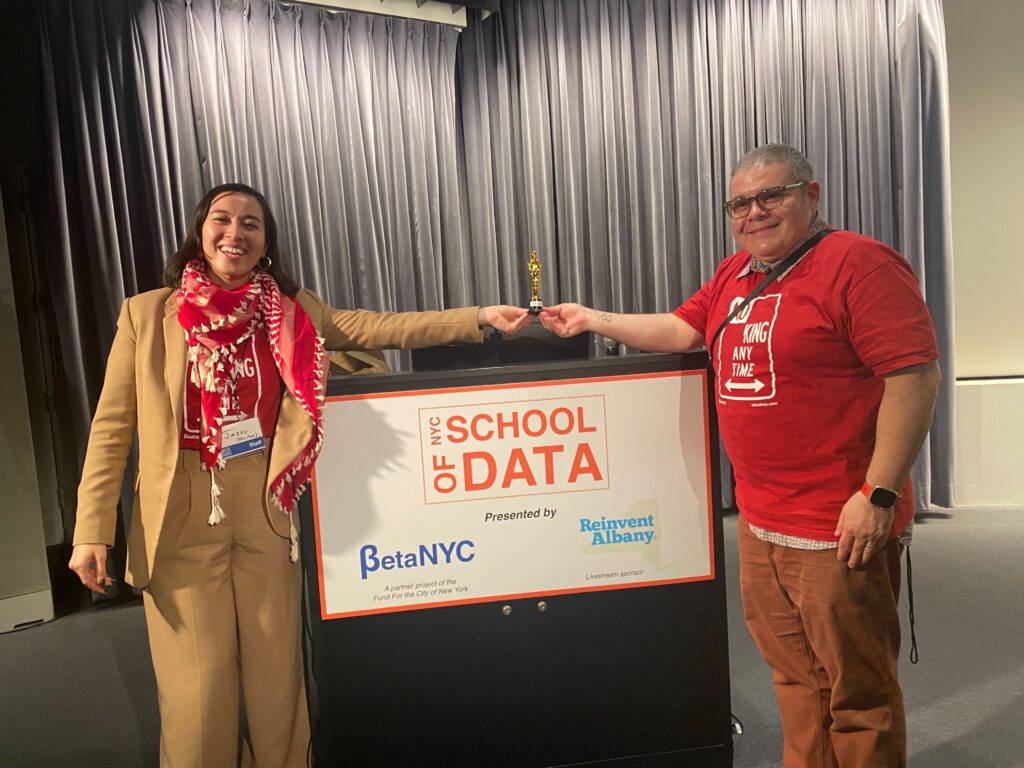
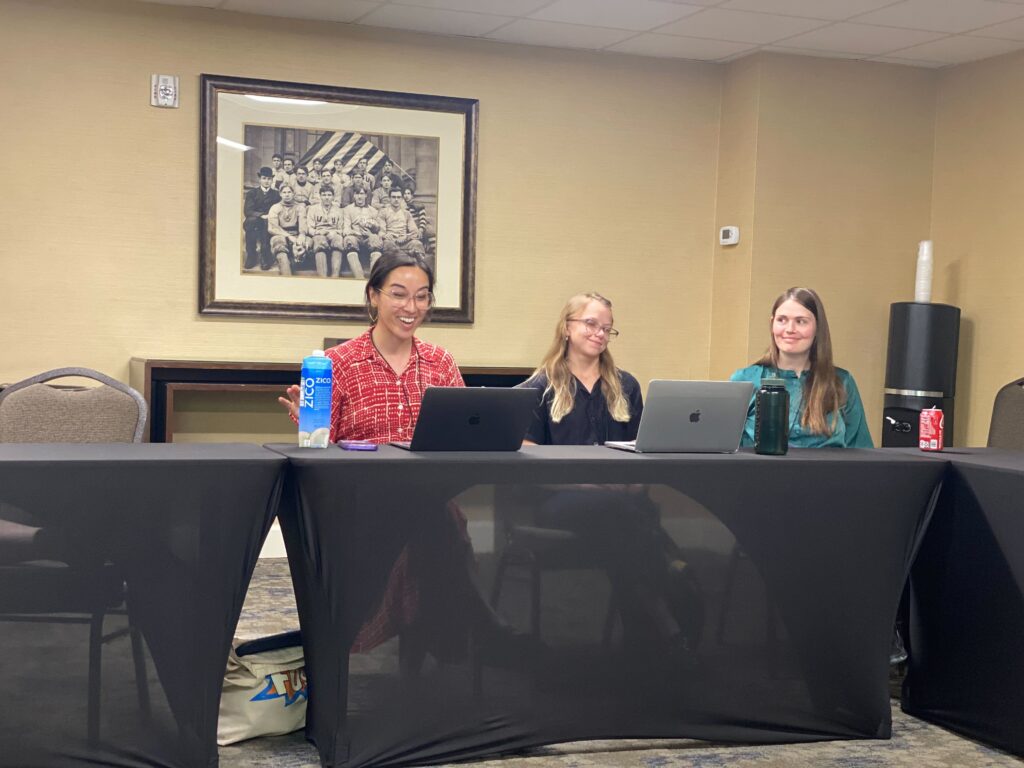
I remember one of my first assignments was to create a one-pager for the Open Data Ambassadors program. I did not yet fully understand the context, and instead of asking enough questions or sharing an early draft, I went off and created this three-tiered pamphlet with various designs and layouts. I finished it all the way to the end before getting feedback, and it was completely off the mark.
What was actually needed was simple: an informative Google Doc with clear links and clear avenues to resources. That was it. It did not need to be cluttered with aesthetics. It did not need to prove anything. It needed to work.
That moment was a marker for me. There was me before that moment and me after that moment. It taught me one of the deepest values I am taking from Beta: functionality is a form of care. Before making something beautiful, impressive, or overly designed, you have to ask, “Does this work for the people we’re serving?”
Not, “Does this make me look smart?” Not, “Does this prove I worked hard?” Not, “Does this look like what I imagine a polished product should look like?” But, “Does it work?”
Give People the Chance. That’s the Only Way They Learn.
A few months ago, I was on the phone with one of my closest friends, talking about leadership, gender, and the kinds of roles women are trained to take on as they become adults. She asked me, sincerely, “Where do women actually learn to be leaders?”
It was such an astute question, and it haunts me because she’s right.
At the time, I was already Chief of Staff at BetaNYC. I was leading people, helping manage operations, supporting strategy, navigating difficult conversations, and trying to understand what it meant to have conviction while still being open to feedback.
I was not trained to lead in my childhood, nor in my previous jobs. In so many settings, I had learned how to adapt to other people’s needs while quietly advocating for my own, and I was rewarded for it. But the tables had turned. I was no longer only responding to the environment around me. It was my responsibility to shape the environment.
Her question made me realize that I learned leadership because I was given the chance to lead. I was asked to step up, and I had to become the kind of person who could do so with clarity, care, and accountability.
It made me think a lot about who gets the chance to practice. Who gets trusted before they have done it perfectly, as if anyone could? Who gets to make mistakes and grow? Who gets seen as having potential, and who is expected to already be fully formed?
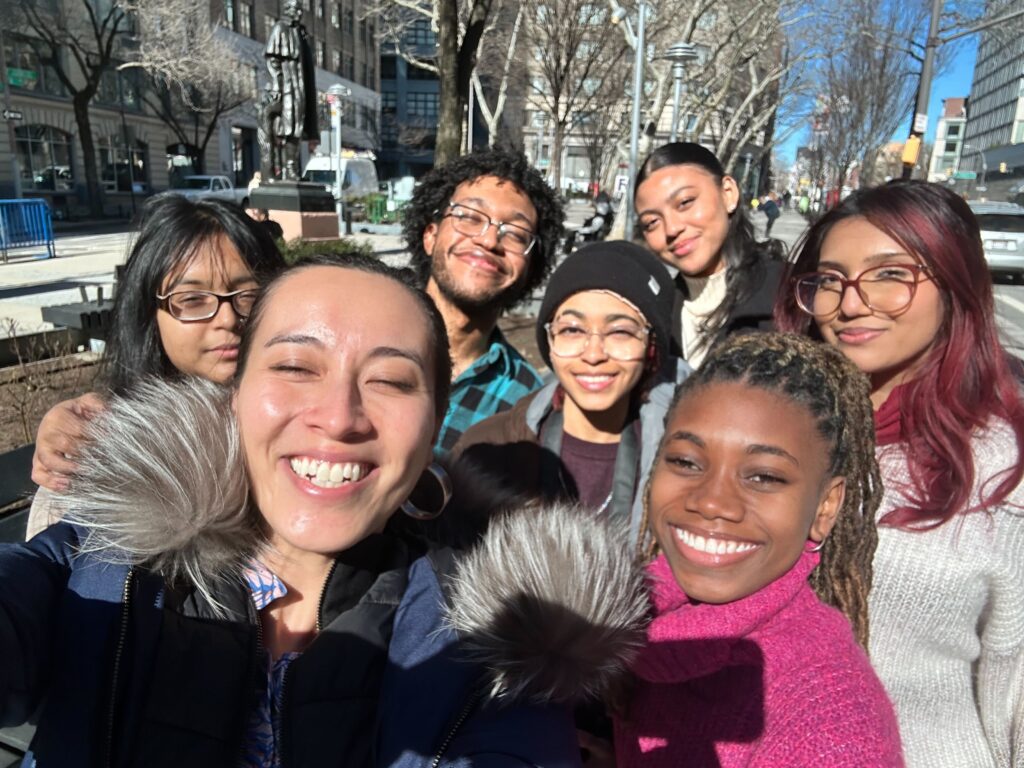
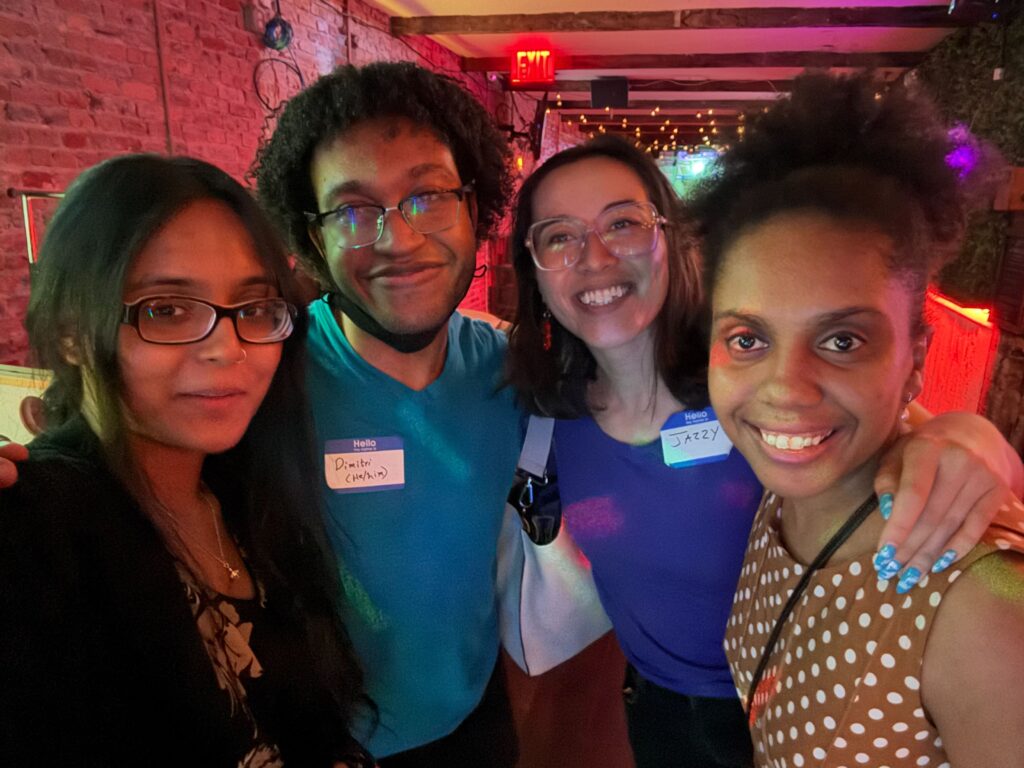
There are so many people who are capable of leading, building, deciding, and carrying the work, but they are never handed the keys. I believe deeply in giving people the chance. Beta trusted me before I had it all perfectly figured out, and now I want to offer that same trust to my team: to invest in them, to let them practice, and to let them grow powerful by doing.
Technology Touches Everything
Technology touches how people access information. It touches how people understand their neighborhoods. It touches on whether someone can fill out a form, advocate for themselves, find public data, understand a city process, or feel like the systems around them are even meant for them.
Through our public classes, I saw again and again how huge the gap in technological understanding really is. It is incredibly tough to design a curriculum for a room full of people with completely different levels of experience. You might have someone who works with data professionally sitting next to someone who is just trying to understand how to download a spreadsheet or navigate an online map.
You have to be ready to adapt across a wide spectrum of needs and experiences. The biggest key is not to create more shame around lack of understanding or access, because shame is what keeps people from feeling like they belong in the first place or further shuts them down from seeing themselves as capable.
If your goal is to make things that work for other people, you have to surrender your ego. You have to surrender what you think it “should” look like and be genuinely open to what people actually need.
I try to plug therapy at any opportunity I have; you would think I’m a sales representative, but here is where I’ll plug it. It is useful to understand your own wiring, your own internal motherboard. How do you impact people? What are you carrying from your own training? What do you want to keep, and what do you need to stop passing on? That kind of self-awareness helps you get out of your own way, which matters when the work is supposed to be about other people.
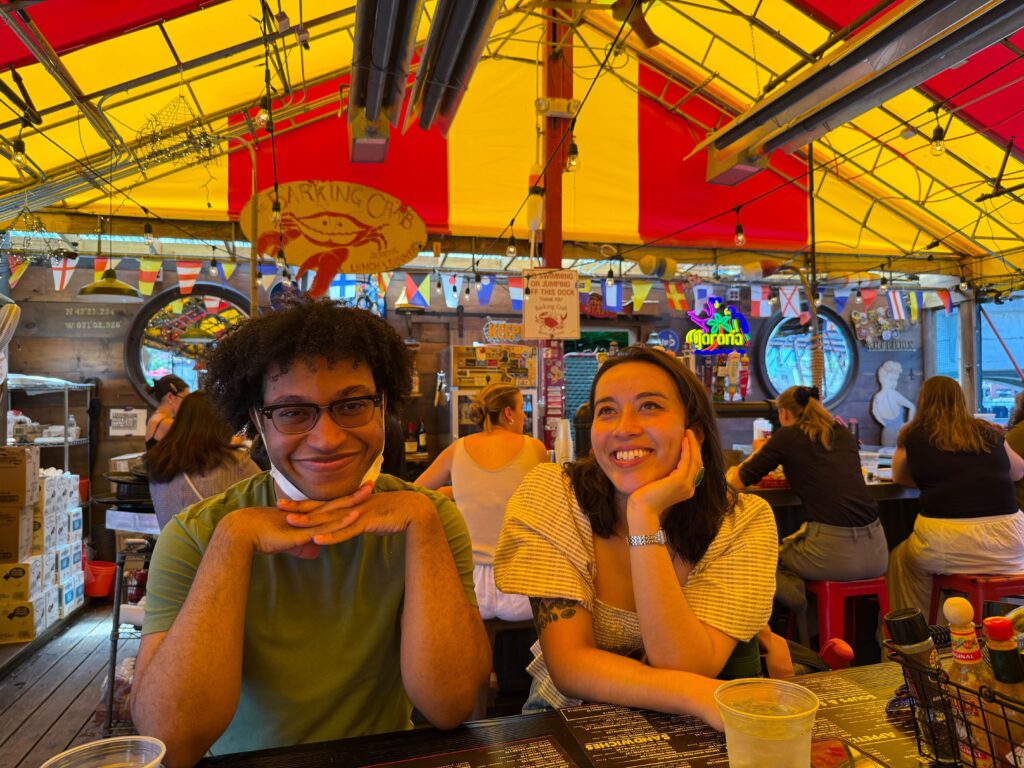
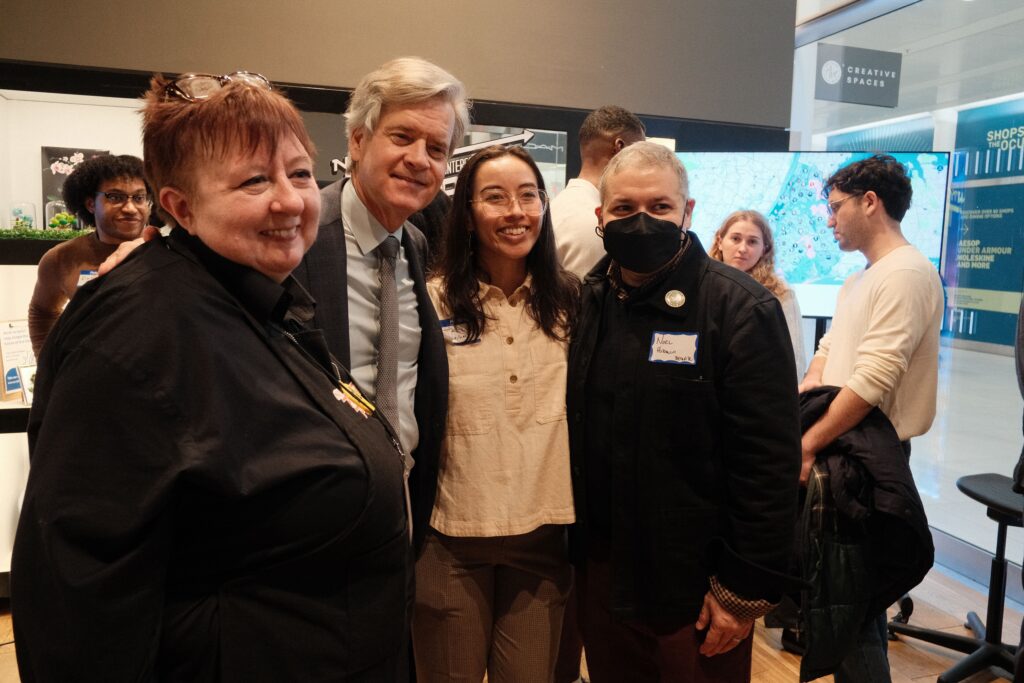
And that brings me back to technology. I bring a stronger technical arm to my new role, but more than that, I bring a clearer understanding that technology should help people get what they need with more ease and less shame. At KEEN, technology takes on a different kind of weight. It is not just about making something smoother or more efficient. It is about whether a family can find the information they need, register without confusion, tell us what their athlete needs to feel safe and supported, and actually make it into the room.
The Kind of Resilience That Shouldn’t Have to Exist
At KEEN, we had our first adaptive boxing class this past weekend in partnership with The Axis Project, a 501(c)(3) organization pioneering a new model of inclusive wellness and community care. It is a universally designed hub where people with disabilities and older adults can move, create, connect, and belong.
The founder, George Gallego, who is an incredible person and my new friend, is a wheelchair user and designed the gym to be entirely accessible for older people and people with disabilities, but it does not stop at being a gym. He had a kitchen built out because many folks with disabilities live on strict incomes and need access to food and community. There is a room for a justice library, and there is a room with a 3D printer.
I asked George, “Oh! Why a 3D printer?” And he told me about a community member who used an electric wheelchair and whose joystick had broken, which meant she could no longer maneuver her chair. The replacement was expensive, around $300 minimum, and she had to wait for insurance to cover it. It took three months. Three months where her mobility was treated as something that could wait.
But with a 3D printer, they can create pieces of technology that their community may need. And that is resilience, even though it is the kind of resilience that should not have to exist. You would hope the systems around us would care for us better than that, but the ingenuity, the problem solving, the insistence on finding a way forward, I was and am in awe. I know there is a risk of making this sound more glamorous than the reality, because the reality is that people are forced to survive systems that do not adequately respond to the actual conditions of their lives, let alone honor their dignity. But I commend George deeply. Technology is not always about innovation in the abstract, glazed-eyed, vague-dreamy way people talk about it; it is about survival.
I Won’t Be Too Far
I have such deep love for my team at Beta. Beta did not teach me this, but it further confirmed my belief that my life’s work is about people and truly caring for people at the end of the day. Systems are made by people. Culture is made by people. And when people are trusted, challenged, supported, and given the chance to lead, they can build things that did not exist before.
I’ll be carrying the lessons forward, and I won’t be too far.