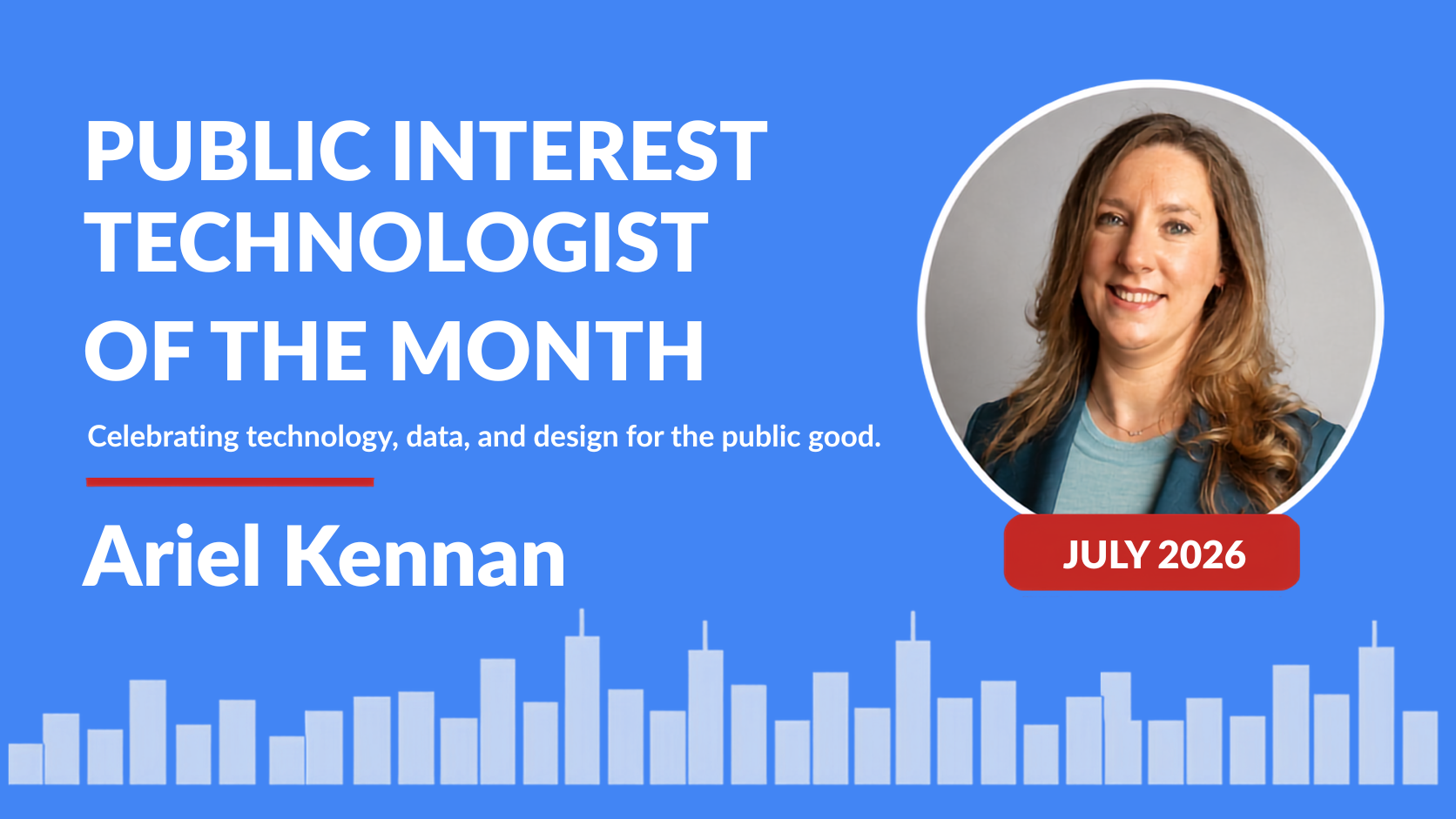
Ariel Kennan is the reason BetaNYC is a technology, data, and design community.
When we were first coming together, we talked about data and technology and where the two met. Ariel reframed it. The real work, she showed us, is the design of these systems: how they interact, what they are capable of, and how we want them to serve people. That reframing stuck, and it is why design now sits beside technology and data in everything we do.
She has spent her career proving the point inside government, from building NYC Opportunity’s Service Design Studio at the Mayor’s Office to leading the Digital Benefits Network at Georgetown’s Beeck Center. One question runs through all of it: why do so many governments struggle with the same gap between policy and the services people actually receive?
Right now, that gap is doing real damage. Across the country, people are losing food assistance, buried in new paperwork, and denied Medicaid as federal rules tighten. It is not the first time government has placed the heaviest burden on the people who most need help.
Ariel works at the root of the problem. As President of the Axiom Foundation, which launches publicly on July 28th, she is helping build an open, machine-readable layer for the world’s rules, starting with tax and benefit policy: law written as logic that anyone can run, audit, or reform. It is the foundation the next generation of public services can be built on. We need people like Ariel, and her team, making sure the law becomes code that serves people.
— Noel Hidalgo
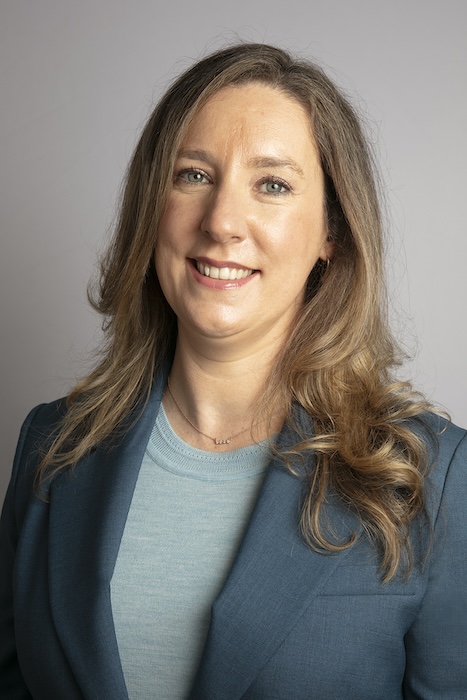
Ariel Kennan (she/her), President, The Axiom Foundation
What gives you hope on a daily basis?
New Yorkers — people helping people in the big village we call home.
What was your introduction to public interest technology?
I’ve always loved cities, and was intrigued as government created roles like Chief Digital Officer — but didn’t see where my design and product skills fit until I learned about the Code for America fellowship. My year at CfA, working in Kansas City, showed me where to apply my skills and started teaching me the language of government.
Tell us a little bit about your work in the Mayor’s Office and setting up the Service Design Studio.
I started at the Mayor’s Office in 2014, in the first year of the de Blasio administration, determined that government could deliver better digitally enabled services for less cost and on faster timelines. NYC Opportunity made service design and digital delivery core to how we operated — but there was no mandate or roadmap yet, so we built the vision and the playbook at the same time, which meant getting creative about recruitment, hiring, capacity building, and delivery. Writing and sharing about the work was also key including — Civic Service Design Tools + Tactics and How We’re Building Great Digital Products Inside Government to ensure our work informed efforts beyond our nimble team. Over a decade later, that work continues — proven plays, a community, and services centered on the people who use them. I’m proudest of the team and alumni who still carry it forward and have expanded far beyond our initial vision. I’m also hopeful that similar work now has a broader mandate in the Mamdani administration’s Public Interest Technology Crew and can become part of the core operations citywide.
→ Read more about the history of starting the NYC Opportunity Service Design Studio and Product Team in Dreams for Design and Digital in Government
What advice would you share with the next generation of public interest technologists?
This work takes time. Quick wins are possible, but as my friend Cyd Harrell describes it, improving the systems of government is generational work. The tech is usually the easy part — especially with tools like AI now available — it’s changing culture and human behavior that’s hard.
How do you see your work progressing in the future?
I’m launching a new organization, the Axiom Foundation, which produces open, machine-readable encodings of the world’s rules — starting with tax and benefit policy. They’re cited, time-aware, and executable, so anyone can run, audit, or reform them. An open rules layer creates opportunities for applications of all types to utilize the law including government systems, nonprofit tools, and AI models. Our work is global, but our HQ is NYC. Join us for the public launch on July 28th!
Most recently, I was at Georgetown’s Beeck Center for Social Impact + Innovation, leading the Digital Benefits Network to help practitioners tackle near-term challenges in public benefits delivery while envisioning future policies, services, and technologies. That work led me to the international rules as code movement — how policy becomes software — which tied back to the methods we used rebuilding the ACCESS NYC benefits screener at the Mayor’s Office.
That early NYC work planted a question I couldn’t shake: why were so many governments struggling with the same gap between policy and service delivery? It led me to write the first comprehensive vision for rules as code in the U.S. — Benefit Eligibility Rules as Code — and to meeting Max Ghenis, who is now CEO and founder of the Axiom Foundation. This work has always been grounded in experimentation and building — from the first Rules as Code Demo Day to the cross-sector Rules as Code Community of Practice, the Policy2Code Prototyping Challenge, and ongoing research on moving public benefits rules beyond static policy documents toward standardized, machine-readable code — including early experiments with AI-assisted rules generation, which we are now taking to scale at Axiom.
Note: The featured image at the top of this post was generated using an AI tool. All editorial decisions were made by the BetaNYC team, as per our AI Policy.
