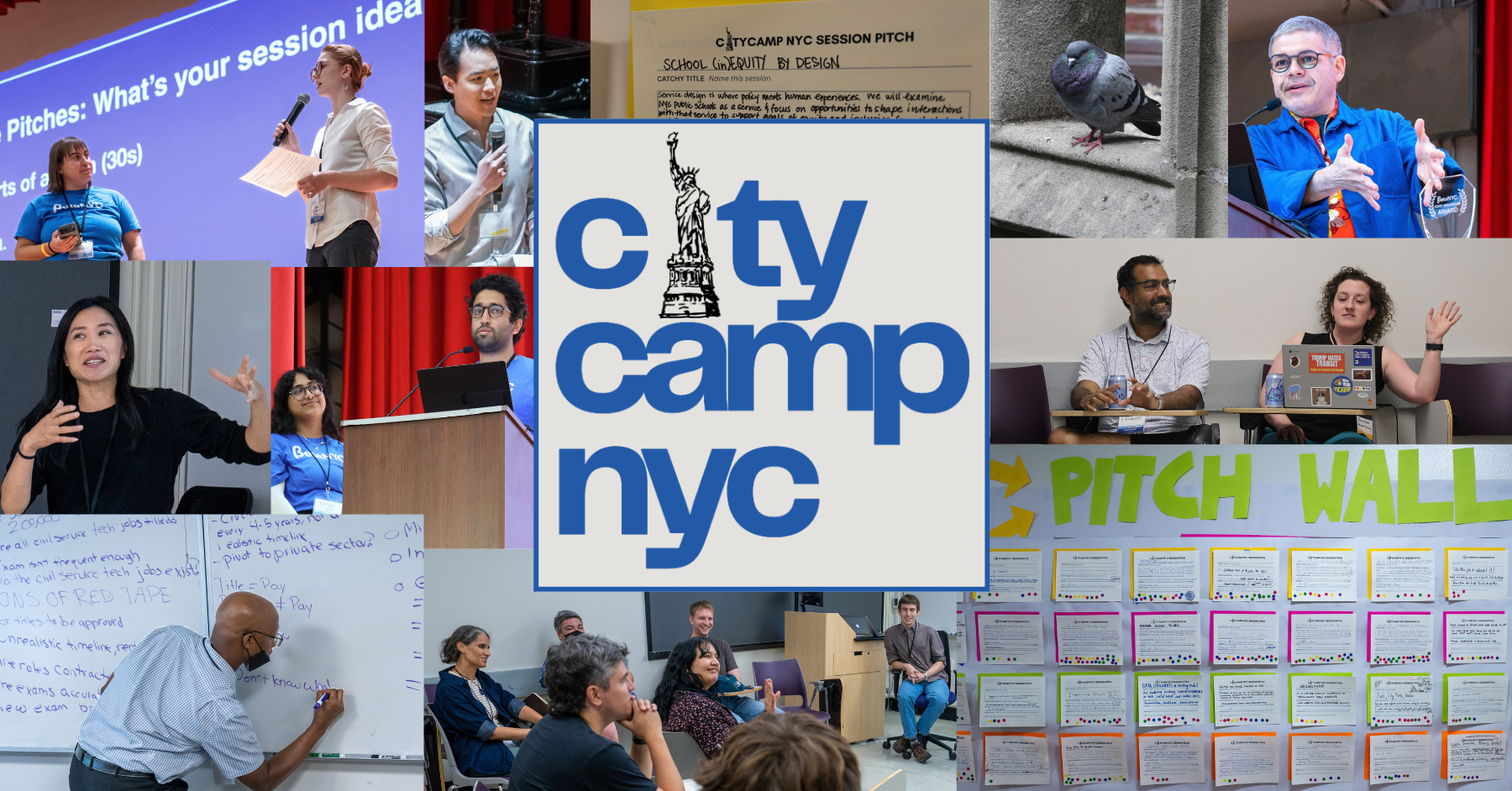
On Saturday, September 19, 235 New Yorkers assembled at Hunter College with no set agenda and spent the day creating one together. That’s what CityCamp NYC is for: a civic sandbox and public forum, where anyone can pitch a topic, find the people who care about it, and dive into it with neighbors, organizers, technologists, and public servants.
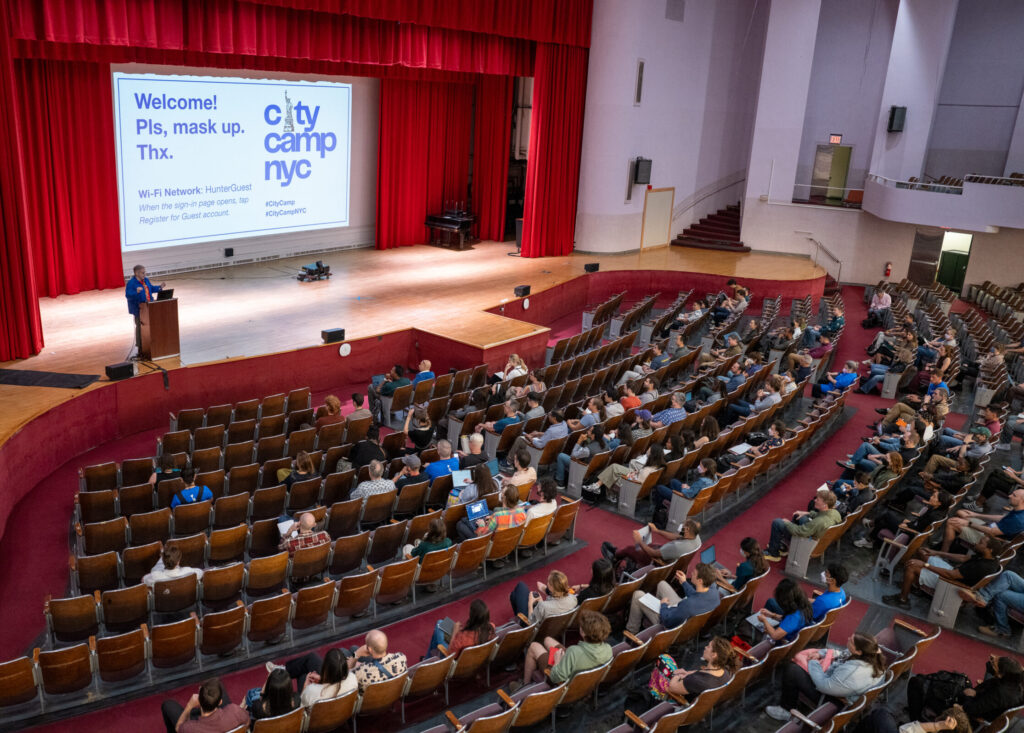
CityCamp 2026 arrived at a distinctive moment for the city. The room held two generations of civic technologists: people who grew up on command lines and email discussion lists, and people who entered the workforce after COVID without the meetups and mailing lists that once gave newcomers a way in. New York now has open government laws and practices, plus an unprecedented set of tools for building technology.
The work ahead is building community and shared practices that bridge those generations, carrying the habits of good-government elders into the technology of the future.
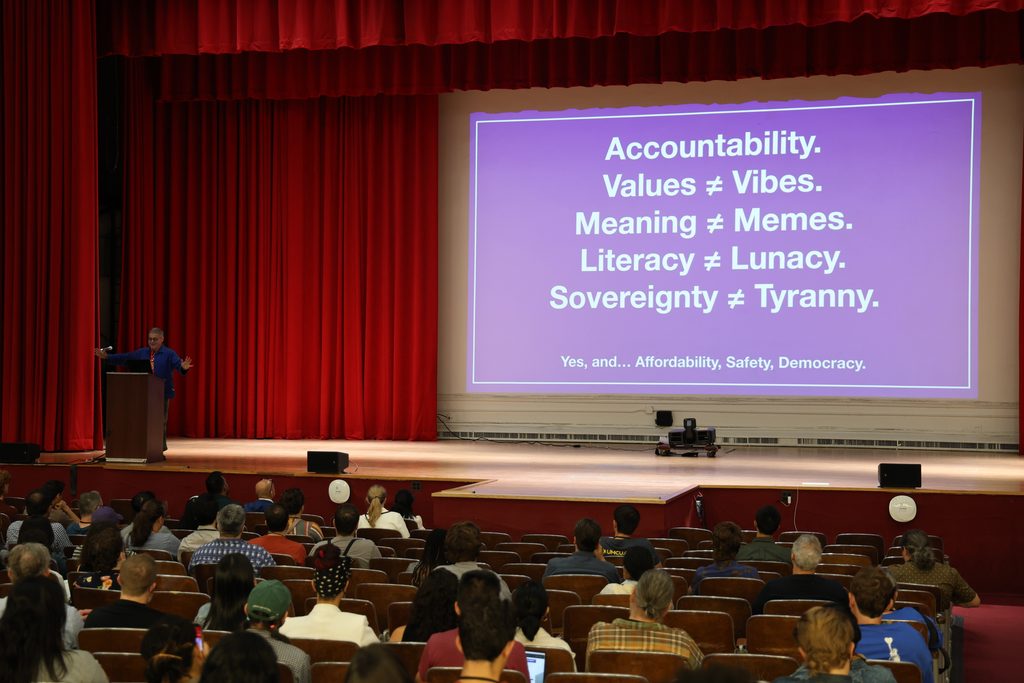
Noel Hidalgo, Executive Director of BetaNYC, opened the day with a reminder of what accountability asks of all of us as a collective community:
Values ≠ Vibes.
Meaning ≠ Memes.
Literacy ≠ Lunacy.
Sovereignty ≠ Tyranny
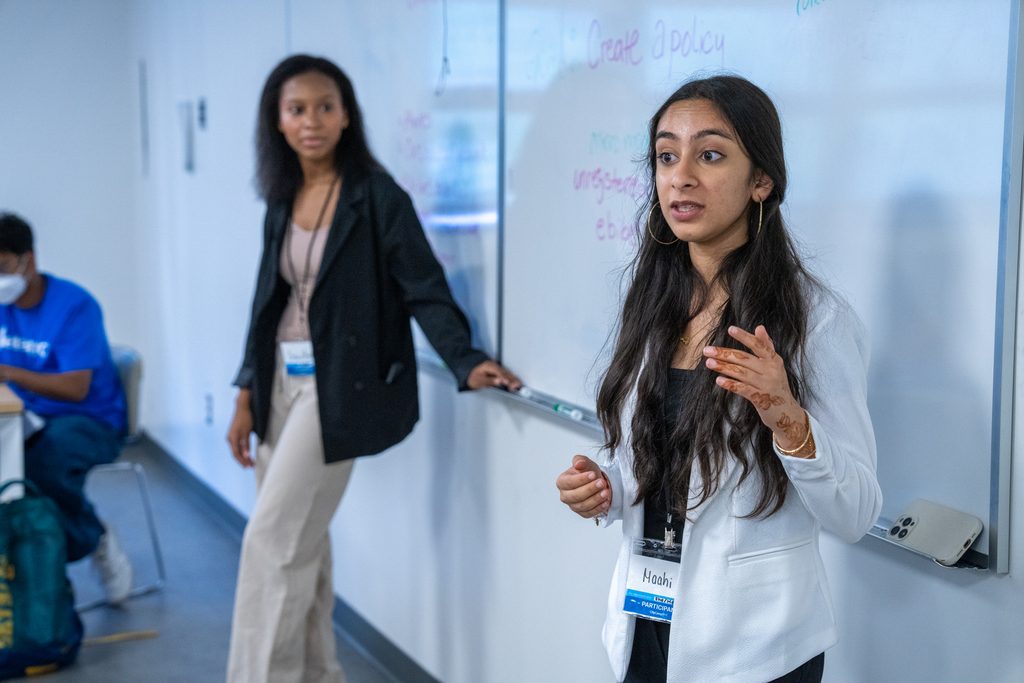
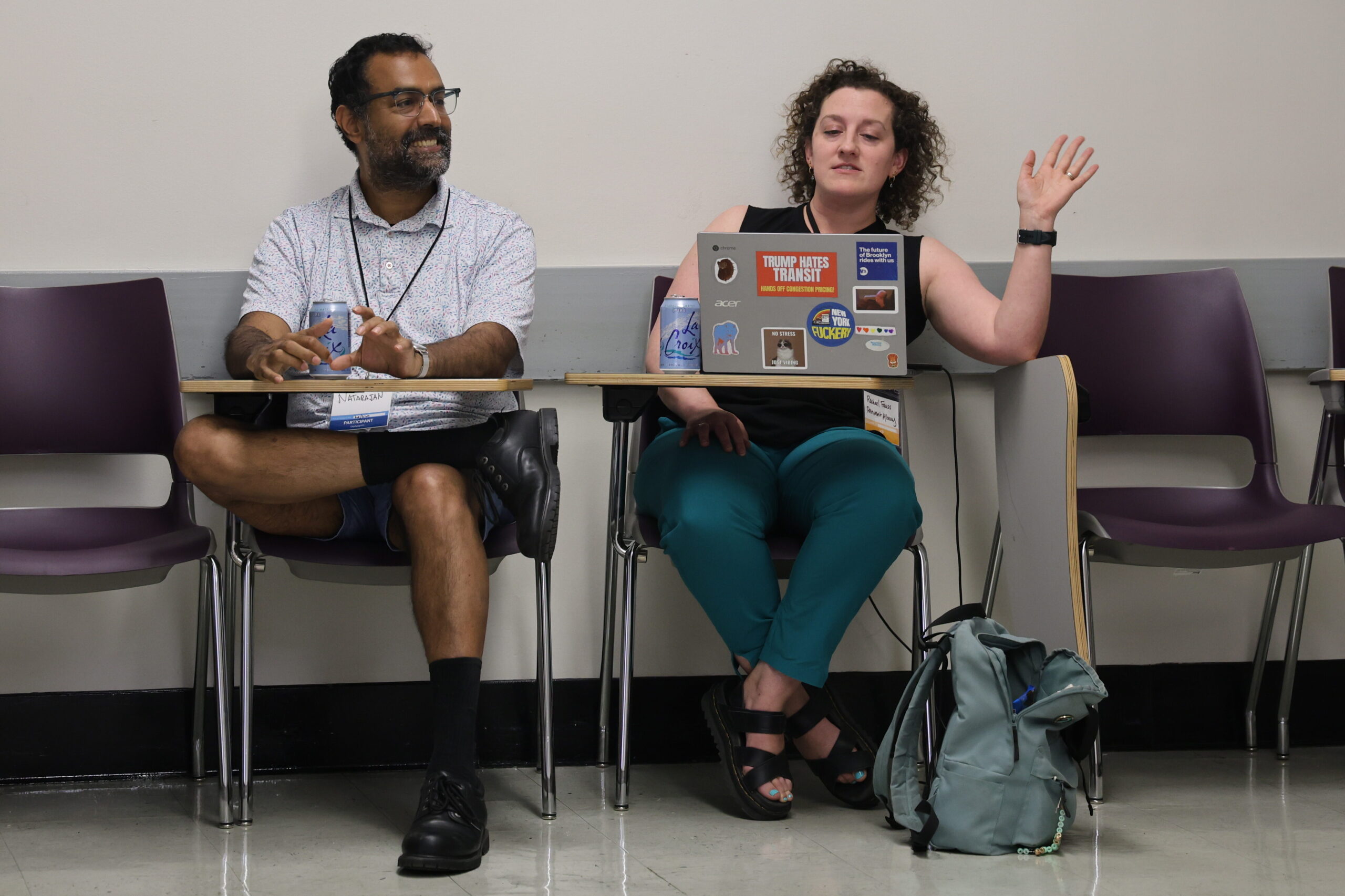
Unconferences like CityCamp make room for community conversation and shared insight without a corporate agenda. In a sandbox, you use your imagination and creativity to build. That was the spirit in every breakout room: people supported each other’s explorations and conversations, engaged constructively with unique perspectives and lived experiences, and left with ideas stronger than they found them. Pitches ranged from AI accountability and childcare gaps to block associations, tenant data, and the various kinds of ants living in the city’s smallest parks.
Here is a recap of who showed up, what people talked about, and what we celebrated at CityCamp NYC 2026.
Blog Post Photo Credits: Dan Pye, Madelyn Capozzi, Thakee Chowdhury, and Navya Thakkar
Thank You Sponsors, Partners, and Volunteers!
CityCamp NYC wouldn’t be possible without the organizations that believe in this civic work. Thank you to:
- Reinvent Albany, our 2026 Lead Partner
- Nava, our 2026 Community Sponsor
- Database Tycoon, our 2026 Tabling Sponsor

Thank you also to our Venue Partners and hosts, Hunter College’s Department of Urban Policy and Planning and the HunterWorks initiative. Read more about them at https://www.citycamp.nyc/sponsors/.
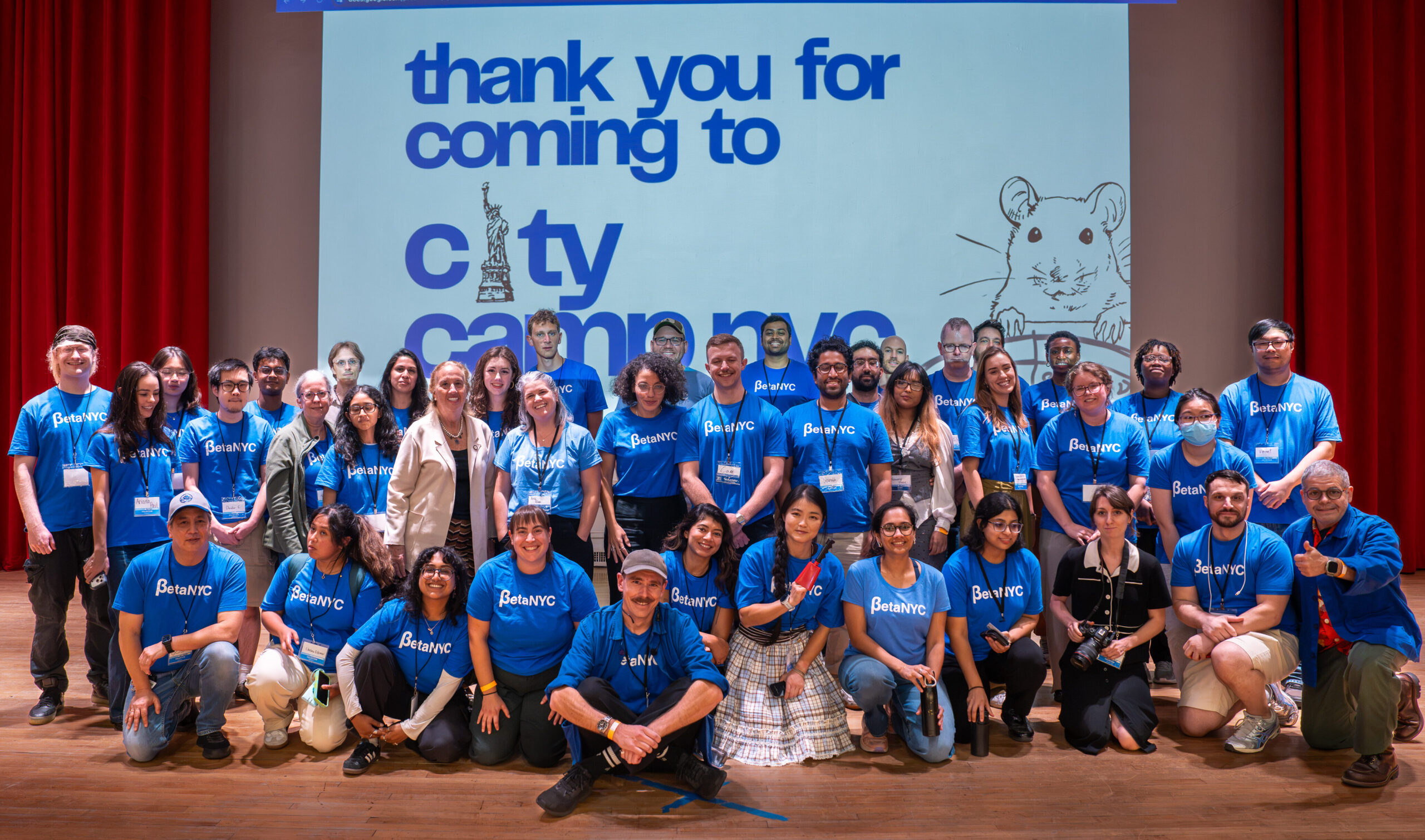
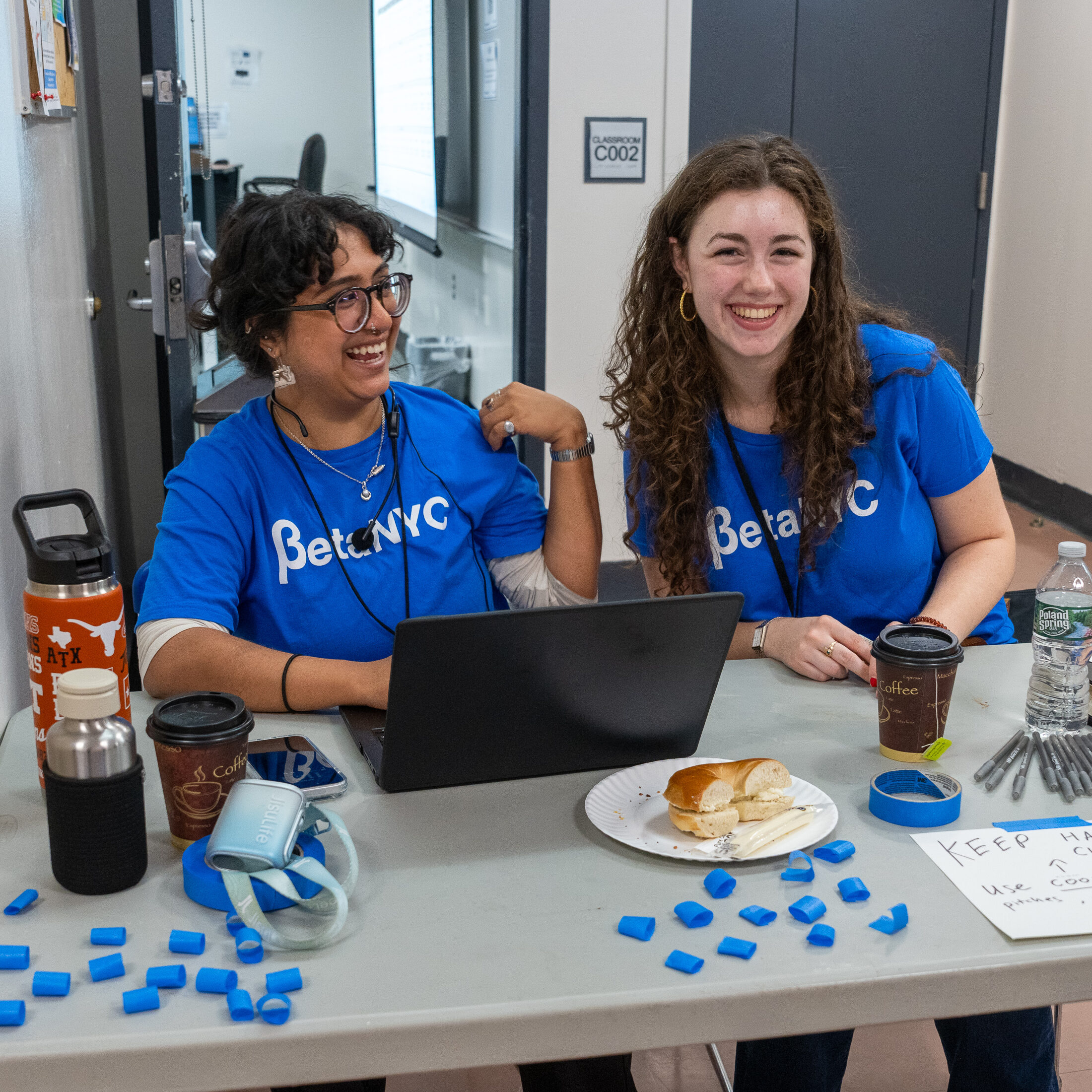
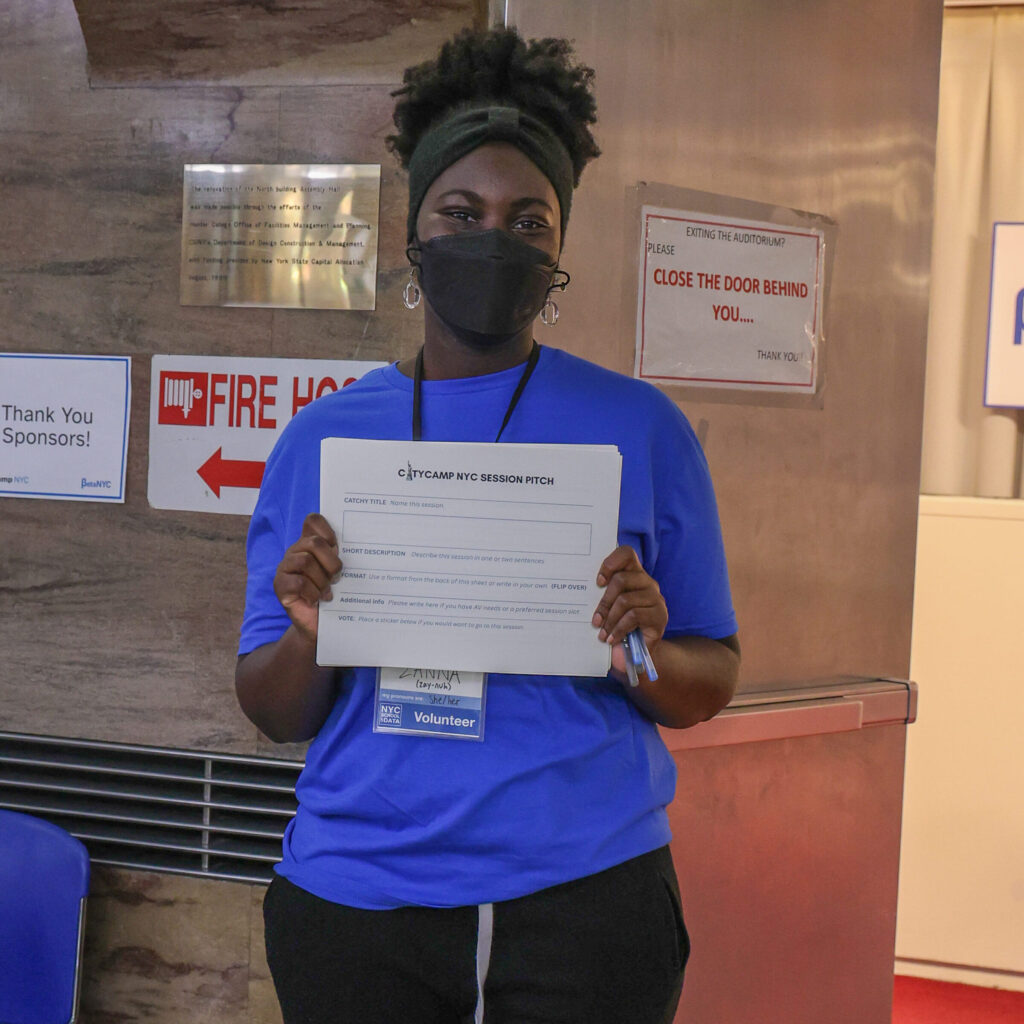
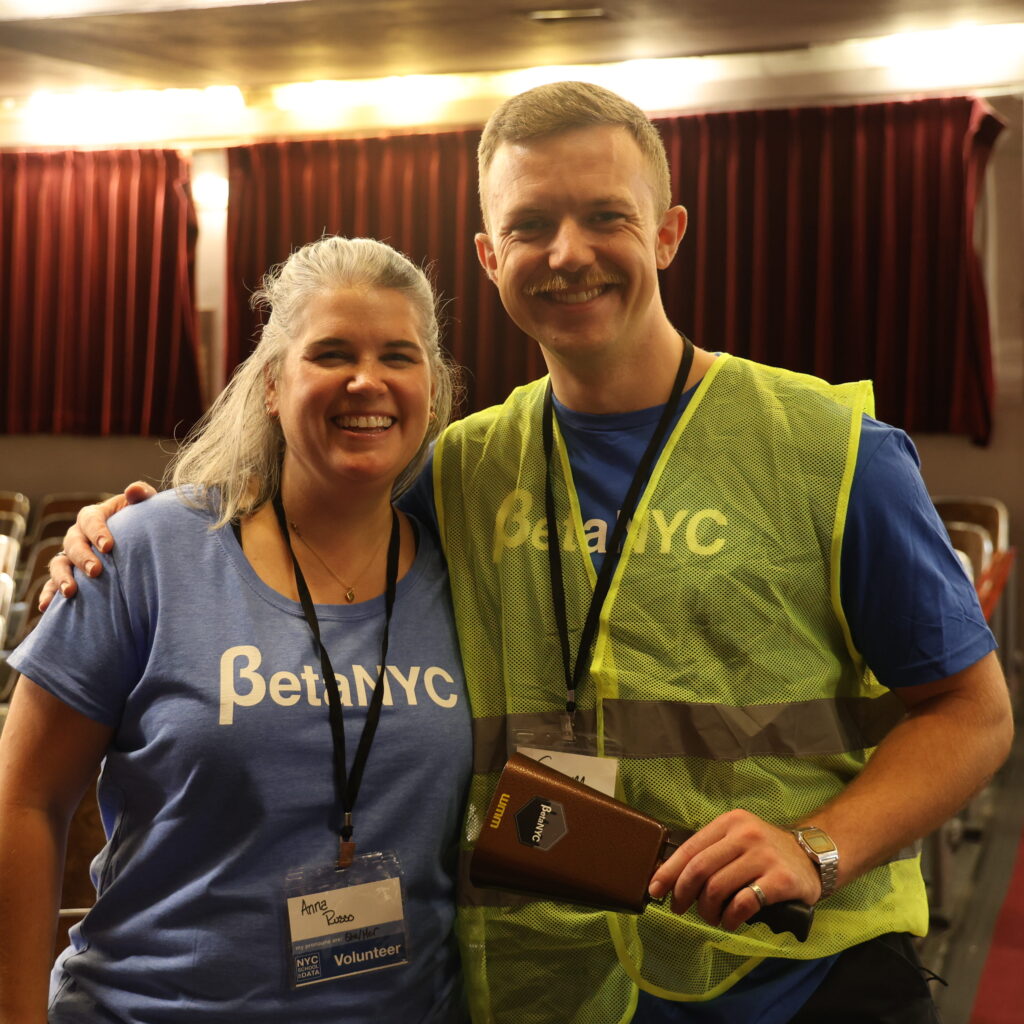
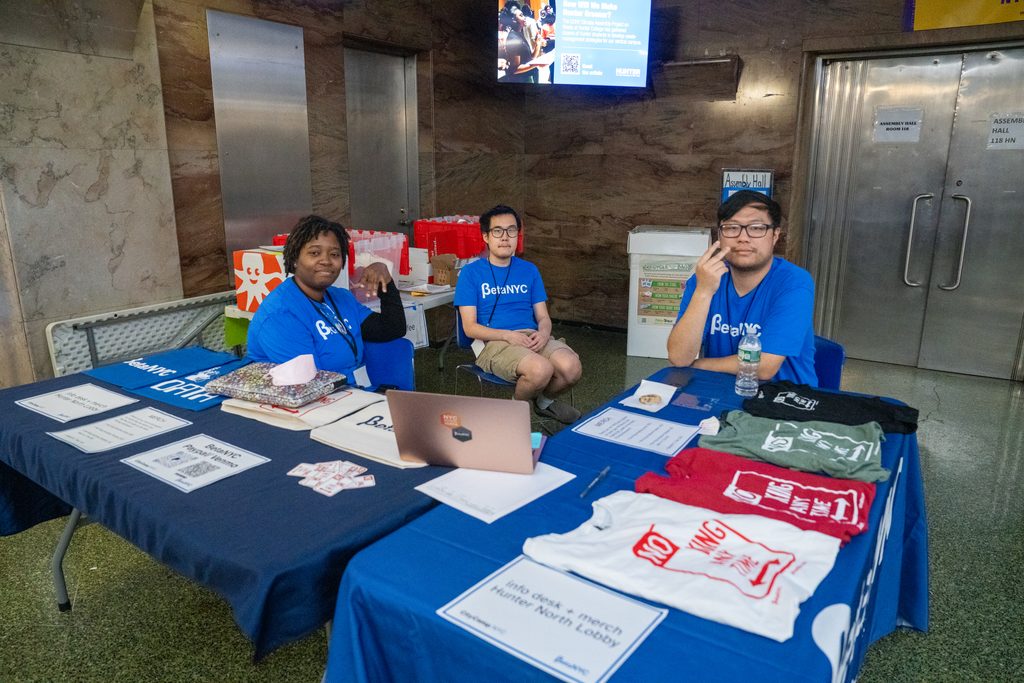
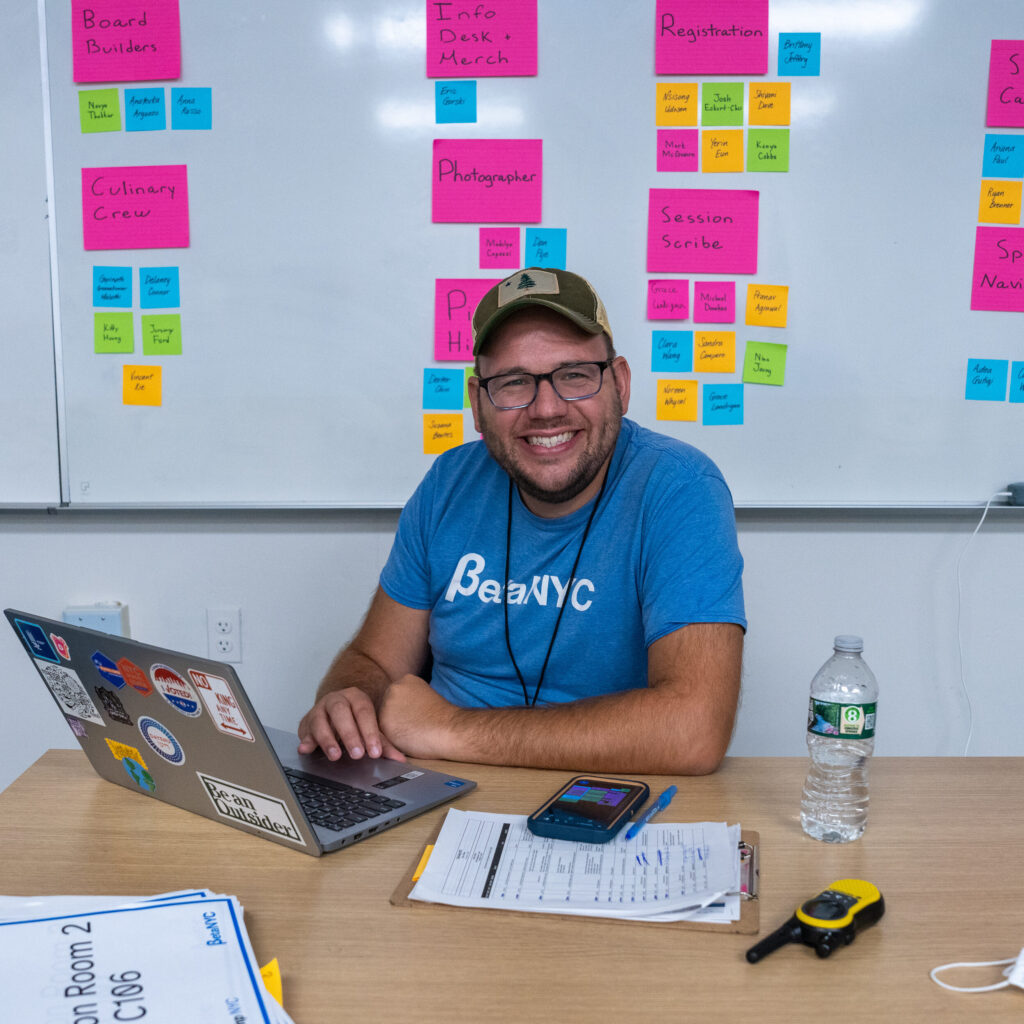
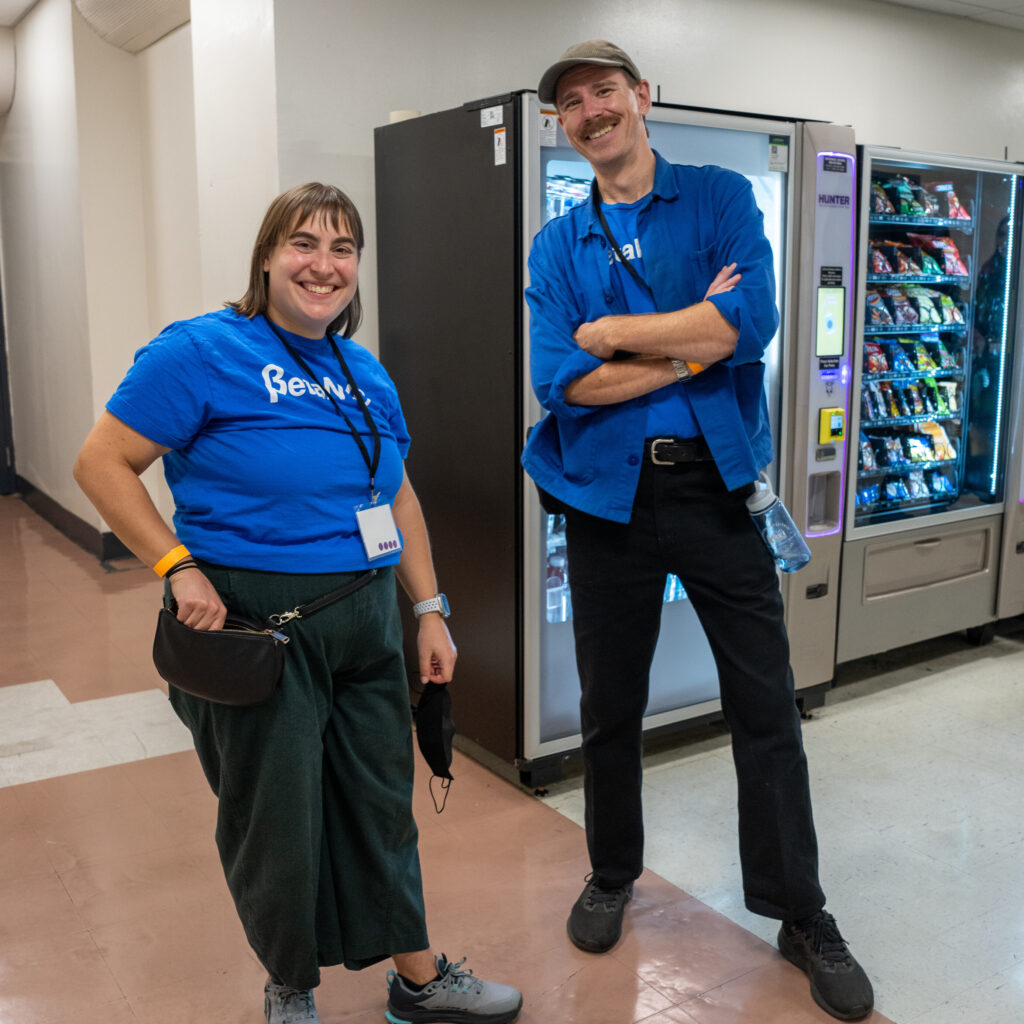
A HUGE THANK YOU to the 48 volunteers who checked people in, pointed the way, kept the rooms running, and built The Board in real time. The day could not happen without you! Thank you as well to BetaNYC’s Associate Board, who helped organize the day and continue to foster New York’s public interest technology community.
Session Highlights from the Community
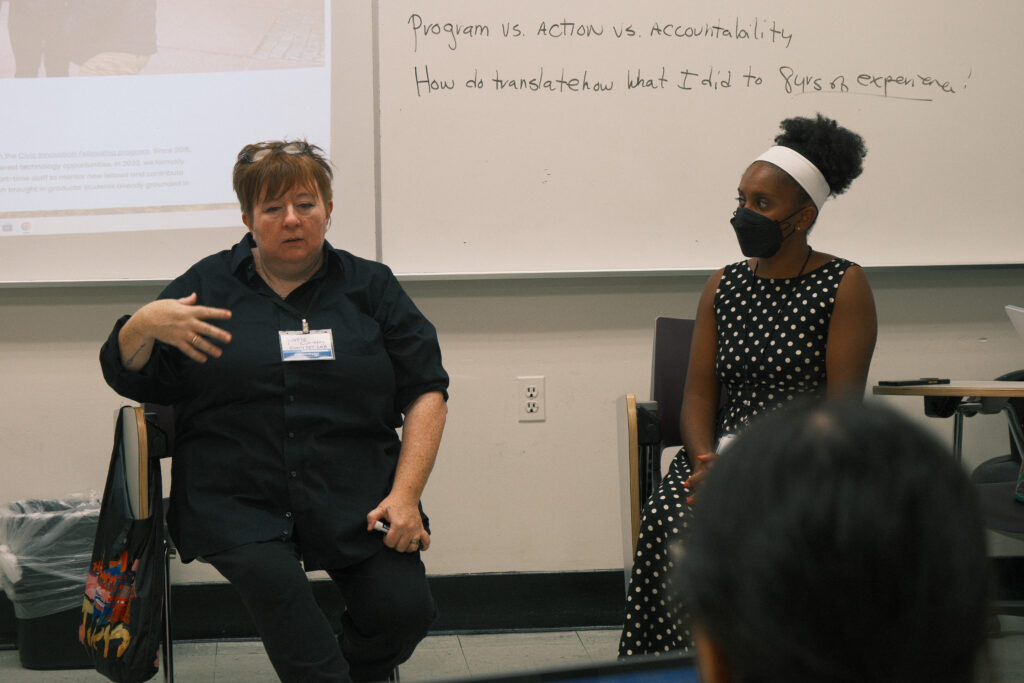
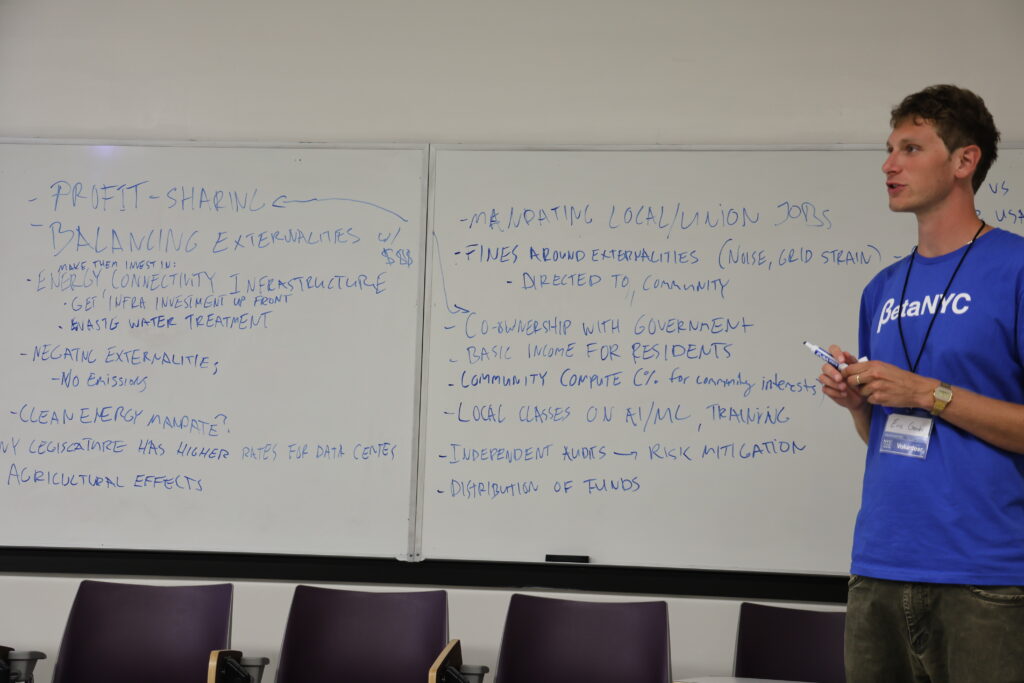
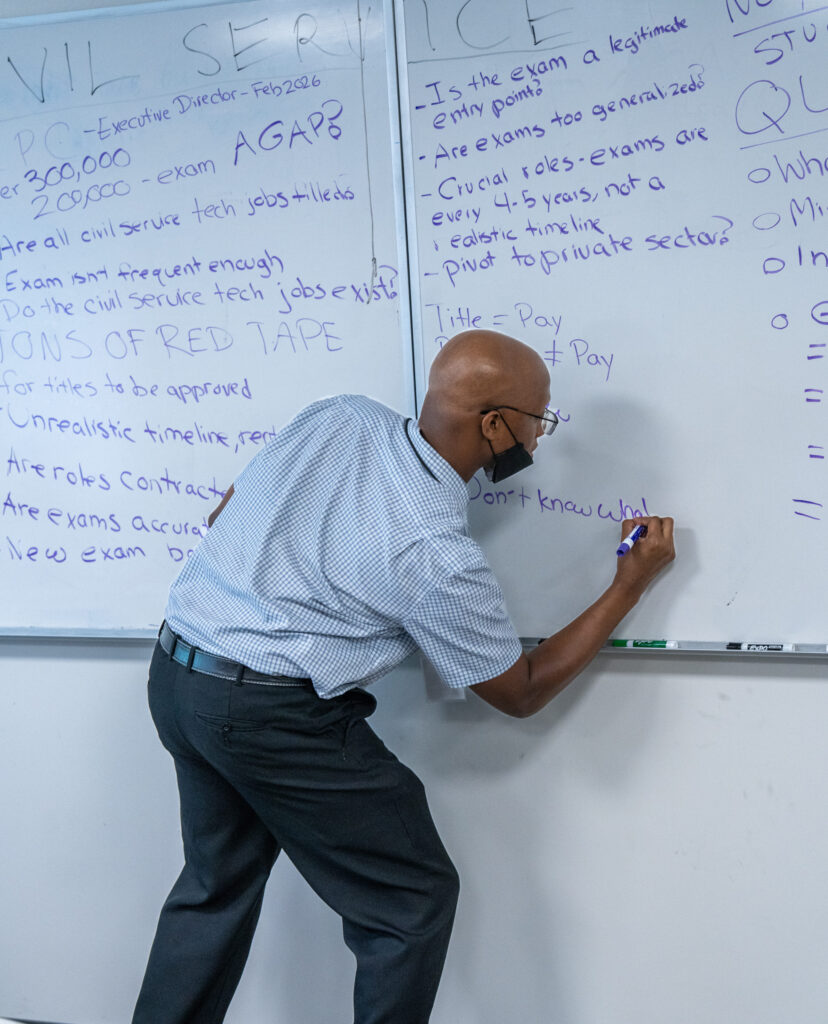
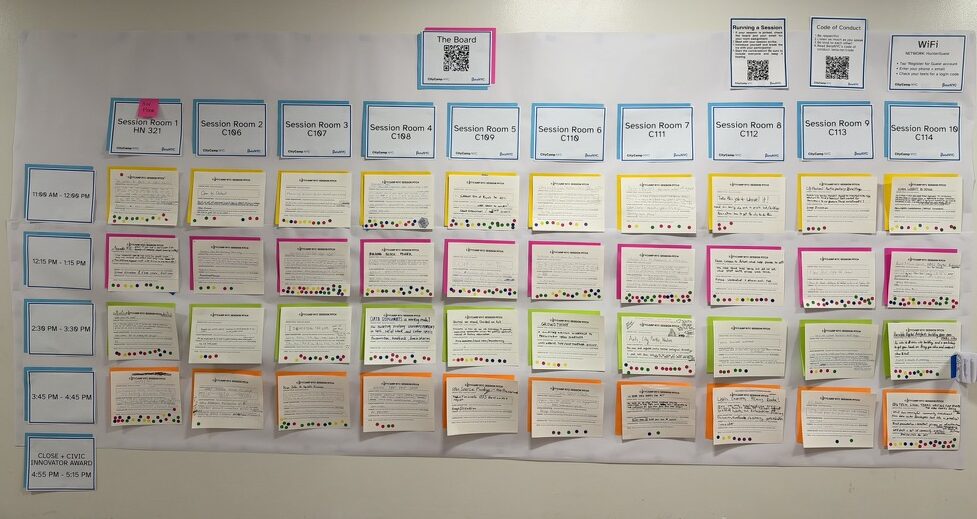
Forty sessions ran on Saturday across 10 rooms. Here are some that show the range of what people brought to the room. Every session has a notes doc linked from The Board:
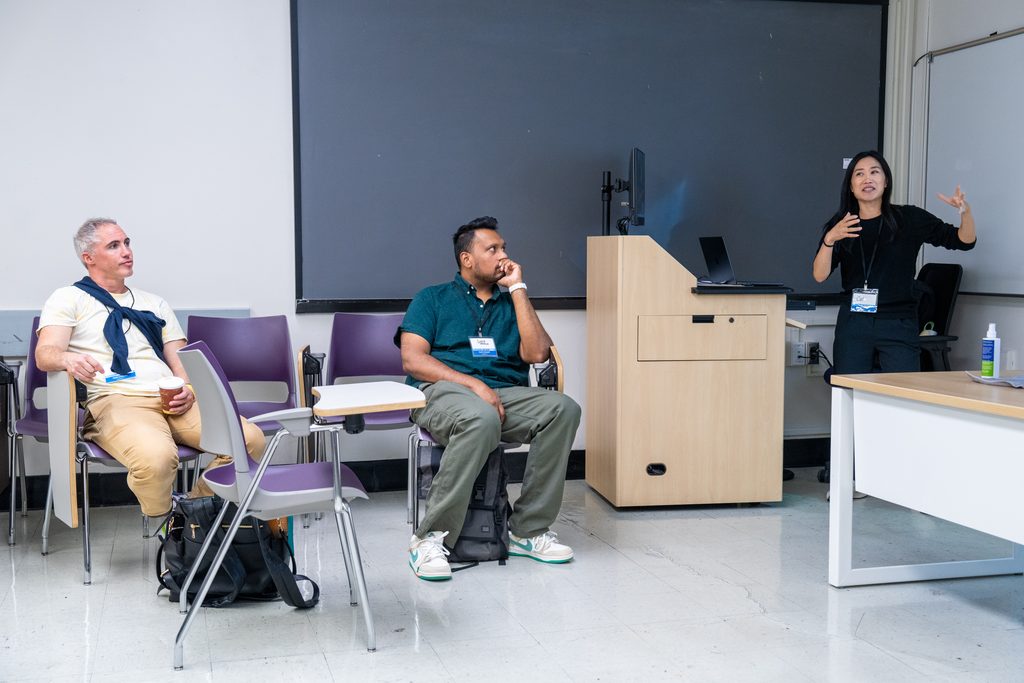
The 40% Problem: How NYC Families Piece Together Care. Cat Lau mapped where NYC childcare breaks down, including 40% of last year’s school weeks having fewer than five days, dismissal times that don’t match the workday, and a Summer Rising lottery that left 3.5 weeks uncovered. Participants flagged the need for better data on informal care and Cat pointed to their project, Raising Queens Kids, which maps childcare and youth programs across Queens.
School (in)Equity By Design. Patty Beirne walked the group through NYC public schools as a service, from finding and applying to a school to attending and moving on, and participants described how much the process rewards families with the time to research, hire consultants, and chase a handful of specialized high schools. The group noted that parents are already filling the gaps themselves through Facebook groups and tools like NYC SIFT and OpenSchoolData, and asked how the city could formally adopt what the community has built.
The Worst AI Policy in New York! CUNY PIT Lab Fellows Ashley Peguero and Nadia Santiago had the room brainstorm the worst AI policy they could imagine, then flip it into a draft policy for AI in healthcare built around bias protection and the right to see what personal data is on file. They closed with a call to get involved in local and state policy on AI regulation through town halls and community boards.
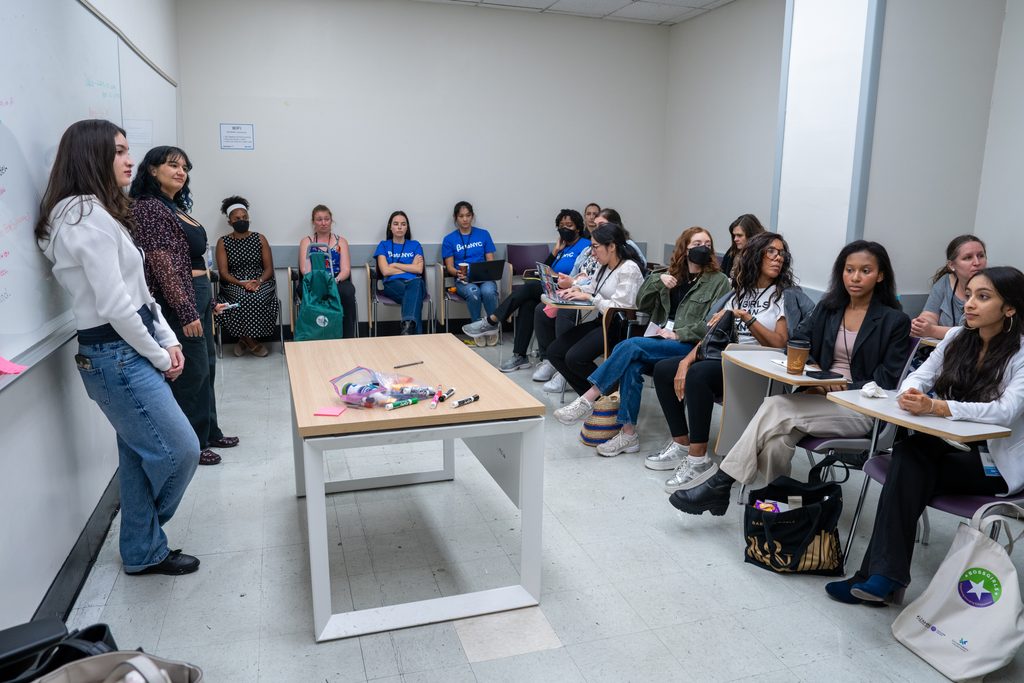
Assemble NYC: What If NYC Had a Permanent Civic Assembly Drawn by Lottery? Forrest Sparks explained how civic assemblies work, with members chosen by lottery to mirror the city’s demographics, paid for their time, and briefed by experts, and small groups debated what an NYC assembly could take on, from zoning and tenancy to congestion pricing and government procurement. Next steps include advocacy to elected officials, a Democracy Innovation Academy session on October 1 at noon, and a conference at Bard on October 15 to 17. Participants also recommended Pol.is and the free book Plurality.
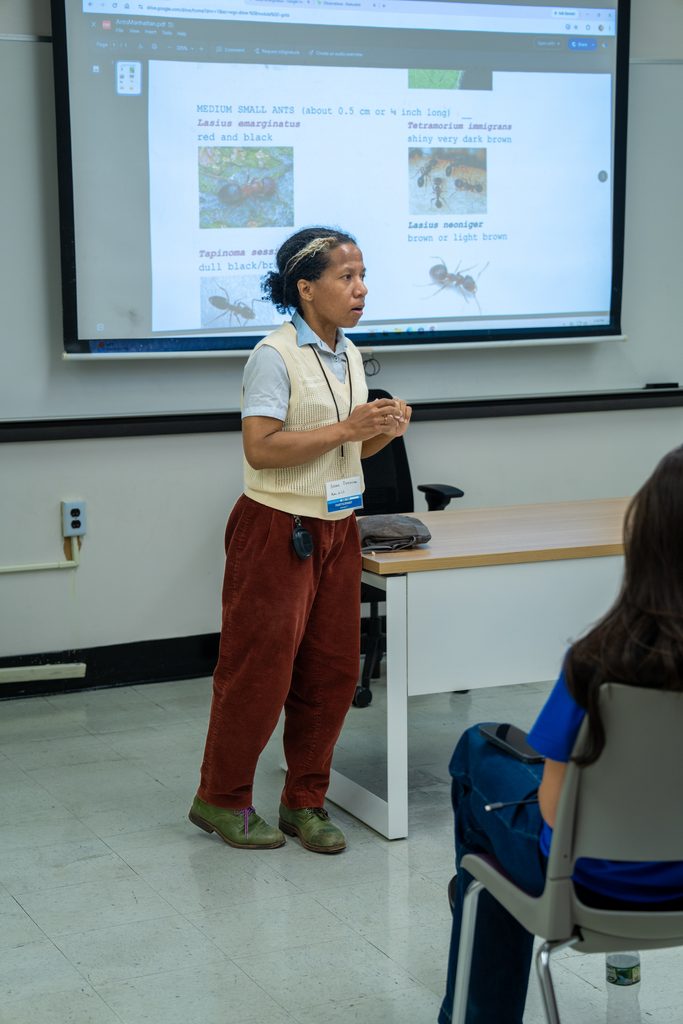
Ants, City Parks, Nature. Susan Donovan introduced the ants most common in Manhattan, from big black carpenter ants to the “winter ant” that survives by nesting below the frost line, and argued that resilience and diversity are better goals than an all-native ideal, since the non-native species thriving here mostly cause no harm. Participants traded favorite places to find nature in the city, like Green-Wood Cemetery, McGolrick Park, and Jamaica Bay, and ways to get involved through the Billion Oyster Project, Gowanus Dredgers, Rocking the Boat, iNaturalist, and community gardens.
A Tenant Activist Litigation Data Dashboard. Sam O’Hana drew on his own years-long rent overcharge case to pitch a shared dataset of who else is suing the same landlords, so tenants can find each other, compare strategies, and get better attorney referrals. The group traded resources including JustFix’s Who Owns What, Housing Justice for All, the city’s tenant organizing hub, and the Community Opportunity to Purchase Act, and dug into one of the hardest problems: tracing landlords through LLCs and shell companies.
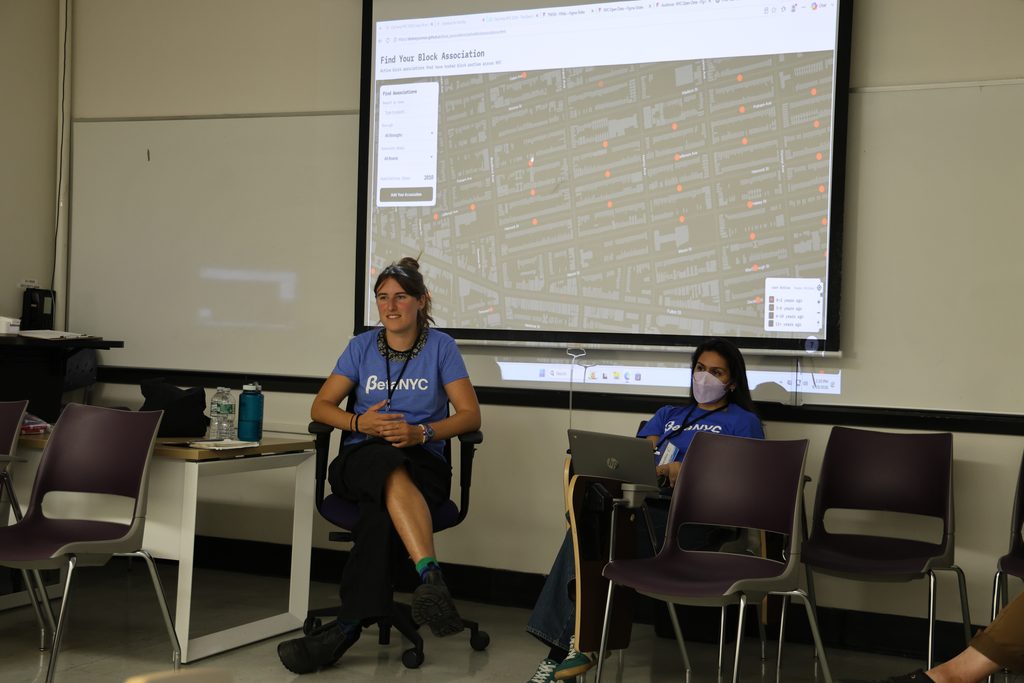
Building Block Power. Delaney Connor shared a map for finding your block association and noted that only five community boards post anything about block associations on their websites. The group sorted out how block associations differ from neighborhood associations and advisory community boards, how new ones get started, and why organizing support was easier to find in the past. The practical advice was to ask your elected representative or community board which association covers your block.
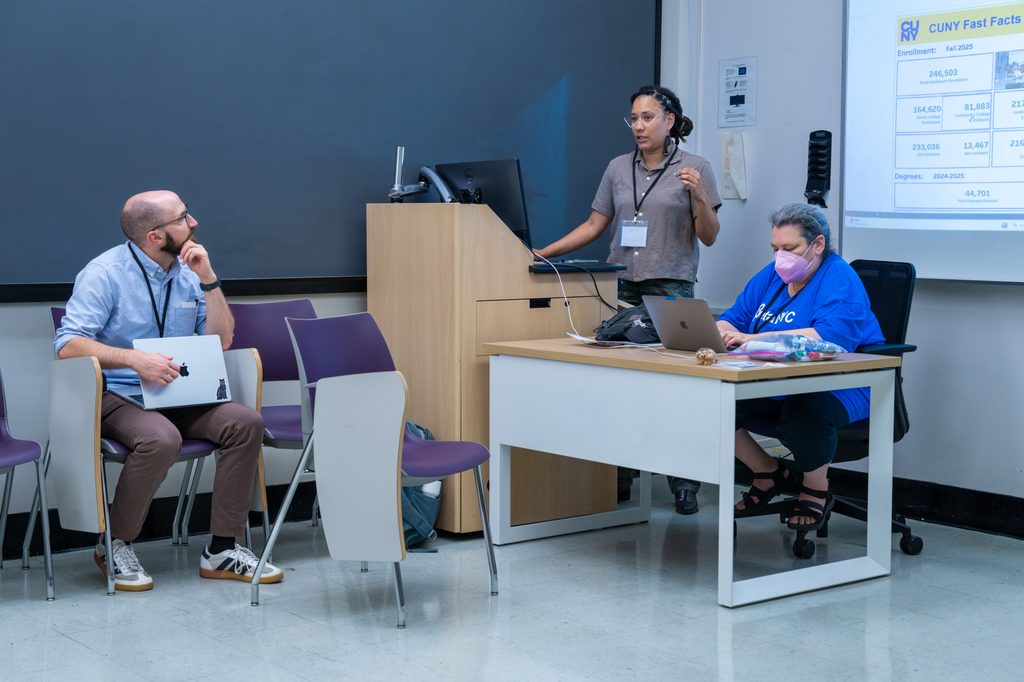
Bronx Data for Equitable Economics. Daniel Ranells, a delegate to the Bronxwide Plan, walked through the draft Bronx Comprehensive Economic Development Strategy, and the group identified gaps including government contracts, small business participation, fresh food access, and space for “third places.” Action items included mapping who is accountable for each part of the plan, recruiting volunteers to crunch data for advocacy campaigns, and turning the draft recommendations into legislation.
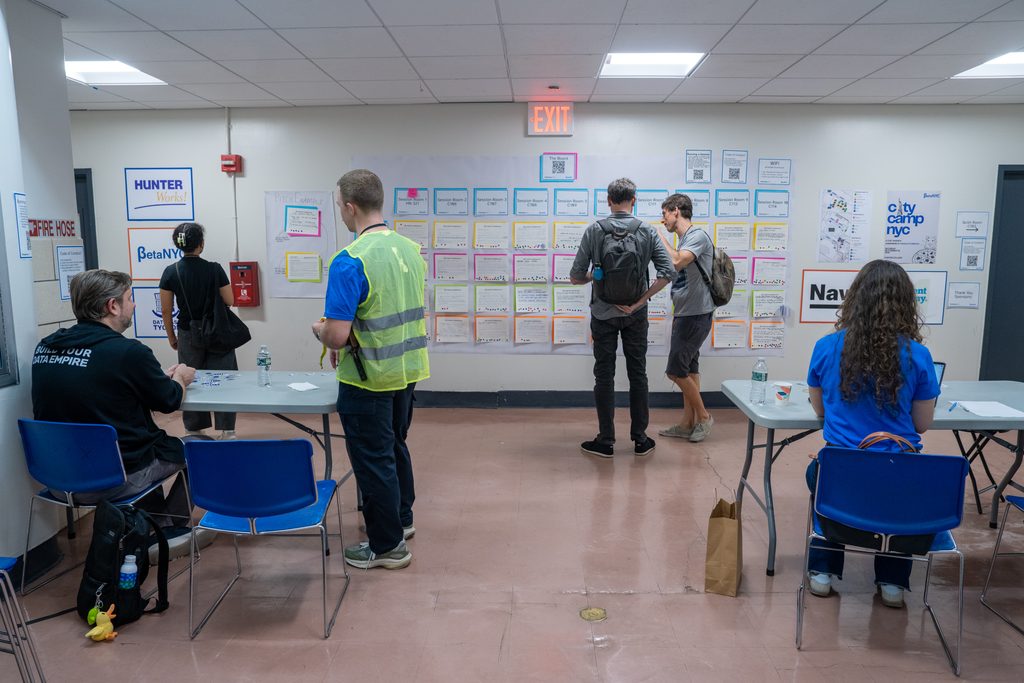
The Board
Session notes from the 40 sessions live on in the CityCamp 2026 Virtual Board, publicly viewable below:
Celebrating Civic Innovators
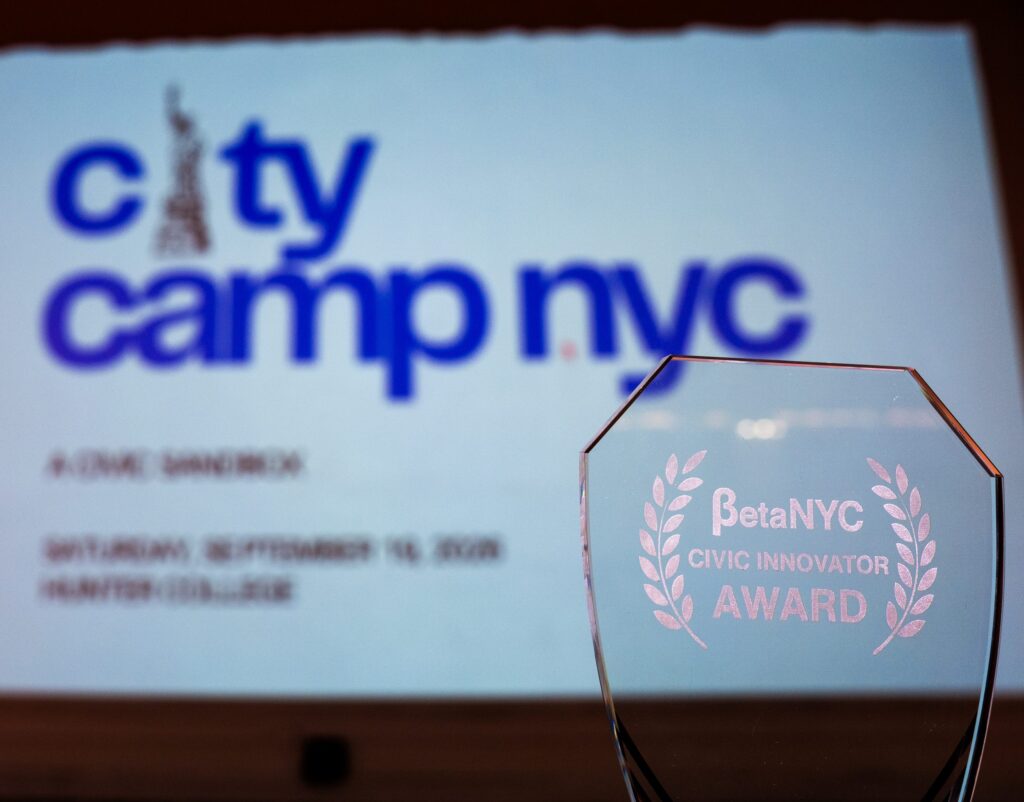
We closed the day by honoring people who do this work all year long. This year’s Civic Innovator Awards went to two teams.
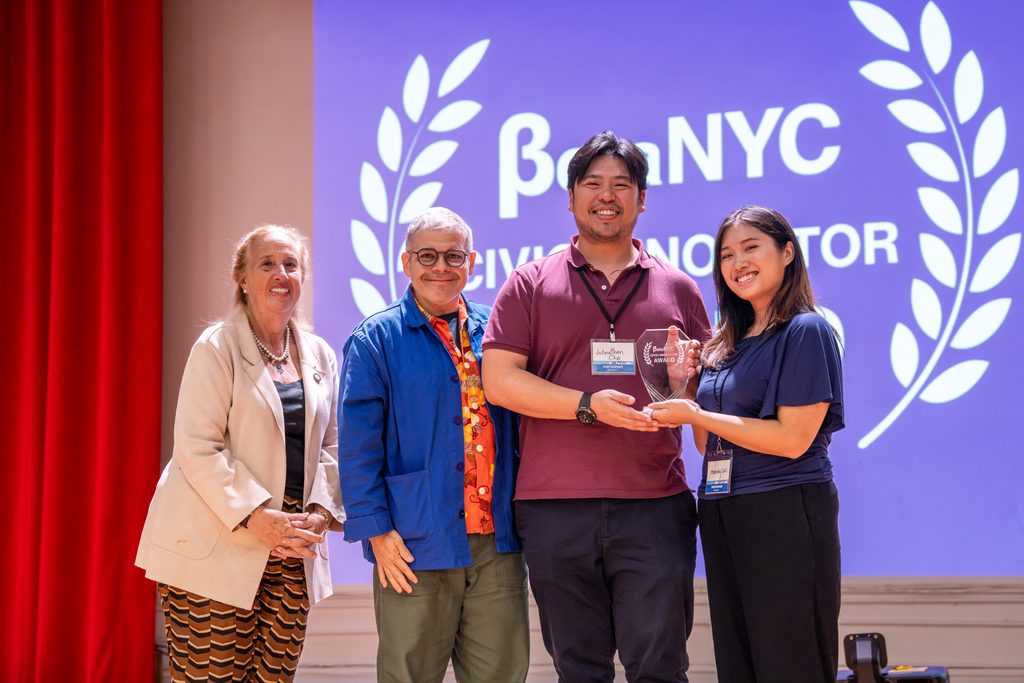
The New York City Council Legislative Division’s Web Development Unit. Mandy Luc, Assistant Deputy Director; Alaa Moussawi, PhD, Chief Data Scientist; and Johnathan Chei, Assistant Deputy Director and Lead Web Developer, lead the team behind the Council’s public-facing web and data work.
Every time you’ve looked up a city council bill, tracked a hearing, or pulled data off council.nyc.gov, you were using something this team built and maintains. They’re the engine behind the City Council’s legislative transparency, and a lot of the civic tech in this room leans on their work. Council Member Gale Brewer joined us to present the award to the Council’s hardworking team.
Reclamo AI. Reclamo AI is a digital assistant for workplace justice in New York State, built by Justicia Lab, the New York Legal Assistance Group (NYLAG), and probono.net. The tool is multilingual and mobile-first, and meets people where they are — over text or WhatsApp, in English or Spanish.
Reclamo helps low-wage and immigrant workers recognize wage theft, document it, and file a claim, without needing a lawyer in the room. Since launch, it’s helped recover more than a million and a half dollars in stolen wages for New York workers.
CityCamp NYC by the Numbers
235 people came together at CityCamp this year!
Where people came from. All five boroughs were in the room. Among attendees, 37% live in Brooklyn, 24% in Manhattan, 15% in Queens, and 3% in the Bronx, with Staten Island, New Jersey, the rest of New York State, and other states rounding out the count.
What they do. CityCamp brought together people from all walks of life; among attendees, 28% work in the private sector and 23% work for a community-based organization or nonprofit. Another 13% work for government, 8% contract for government, and 5% volunteer for it. Students made up 13% of the room, educators 8%, and seven community board members joined us too. Nonprofit and community-organization registrants had the highest show-up rate of any sector, at 75%.
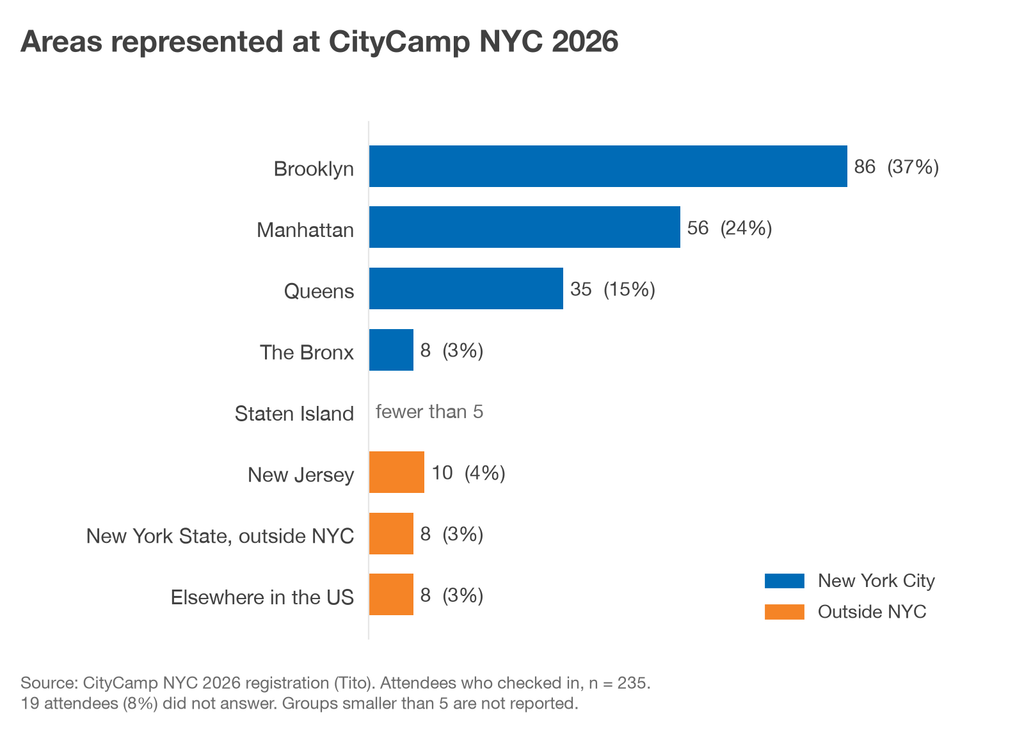
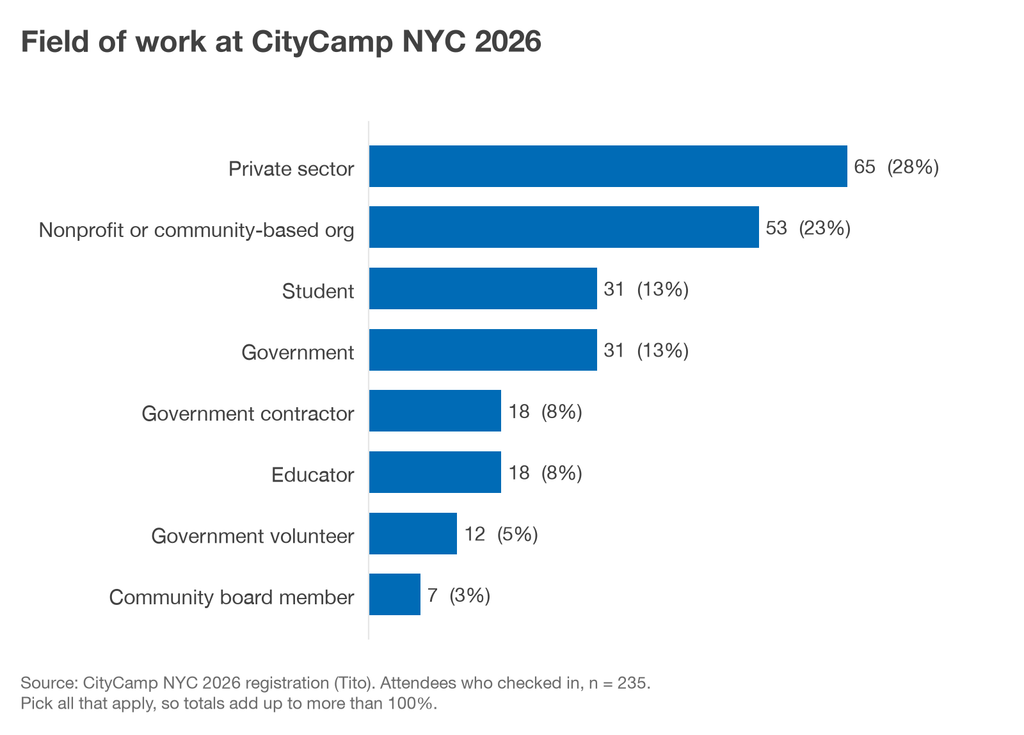
A note on the data: these figures come from optional questions on the registration form, and approximately 8% of attendees skipped them. Groups smaller than five people are not reported.
That’s a Wrap on CityCamp!
Unconferences are a core part of community technology dialogue, and CityCamp is one of BetaNYC’s two annual tentpoles; the other is Open Data Week & NYC School of Data. Over the next six months, BetaNYC will focus on sharing our work, building shared practices, talking through problems, and navigating the future together, online and at events led by our Associate Board.
CityCamp NYC works because people are willing to stand up in a room of strangers and say, “Here’s a problem I care about…who wants to work on it with me?” 235 of you did that, or showed up to help. Thank you!! The session notes are open to everyone, and we want to help these conversations keep going.
No single person holds every piece of the puzzle. Now it is time to pull the pieces together and solve it, together.
Stay in Touch
- Keep the conversation going with BetaBuilders, BetaNYC’s community on Discord: https://beta.nyc/betabuilders/
- Get the weekly civic tech newsletter: https://beta.nyc/newsletter
- Save the date for Open Data Week 2027: March 27 – April 11, 2027. The Call for Proposals is live at https://opendataweek.nyc
We will see you at the next BetaNYC event!